

Issue · Criminal Justice
Criminal Justice (Probation & Parole)
Every criminal justice bill, vote, and legislator stance in New York, automatically classified by Maddy, our AI policy reader.
Total bills
243
2025 Regular Session
Top supporter
Jamaal Bailey
100% support rate
Top opponent
Patrick Gallivan
0% support rate
Ranked legislators
10
5 support · 5 oppose
Key legislators
Who's moving probation & parole in New York
| Legislator | Party | Stance | Support rate | Votes |
|---|---|---|---|---|
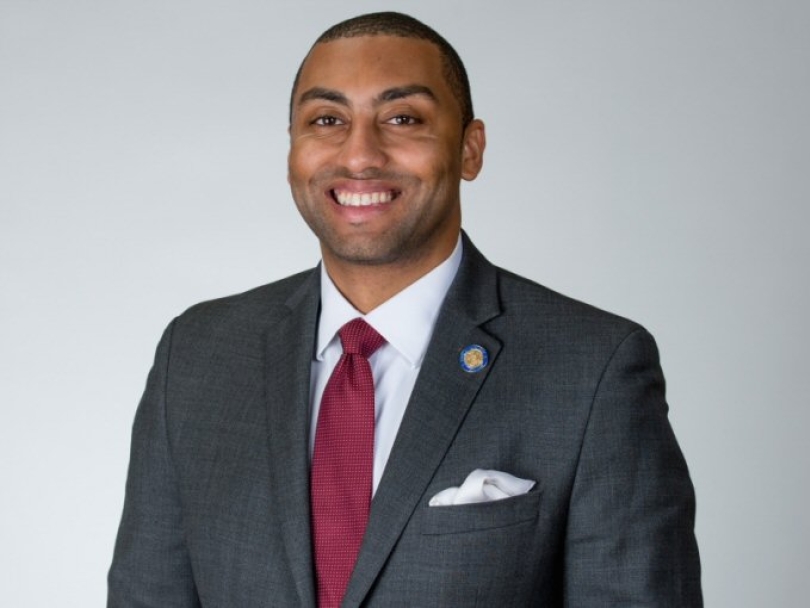
Jamaal Bailey
Senate · District 36
|
D |
Strong +
|
100% | 31 |
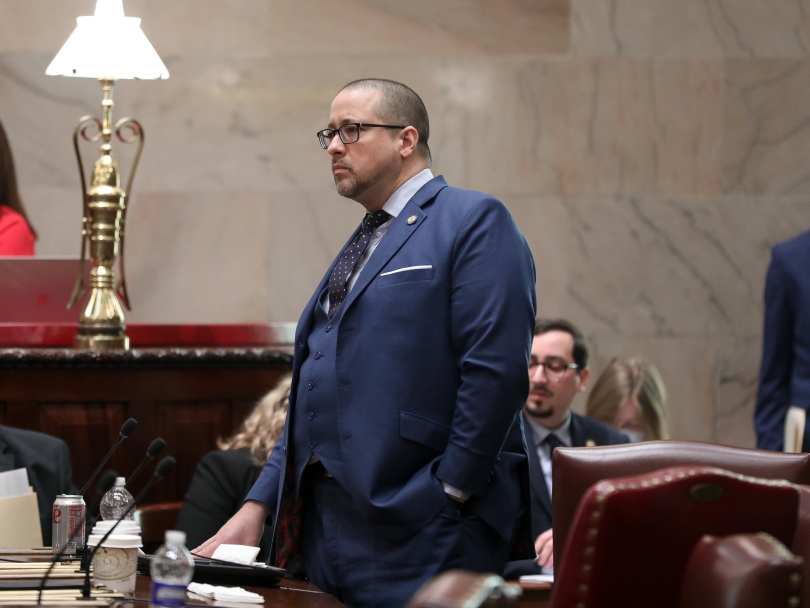
Gustavo Rivera
Senate · District 33
|
D |
Strong +
|
100% | 29 |
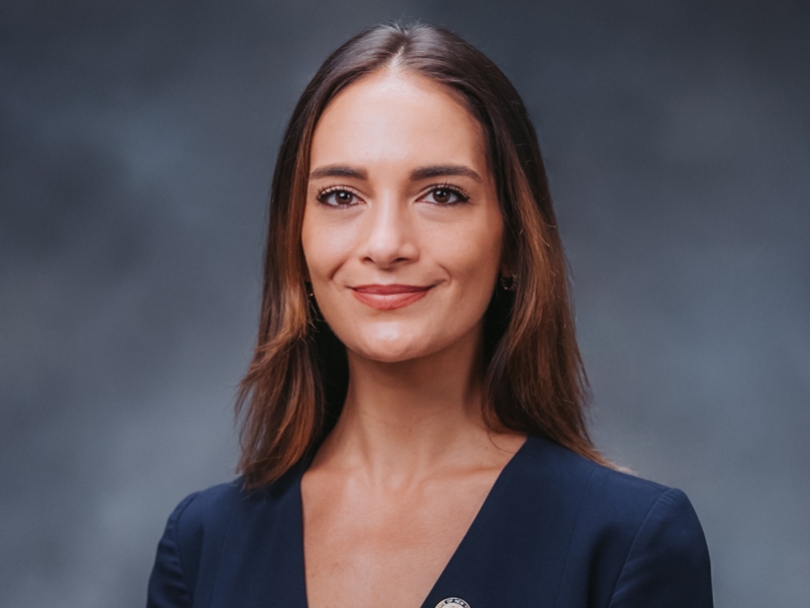
Julia Salazar
Senate · District 18
|
D |
Strong +
|
100% | 28 |
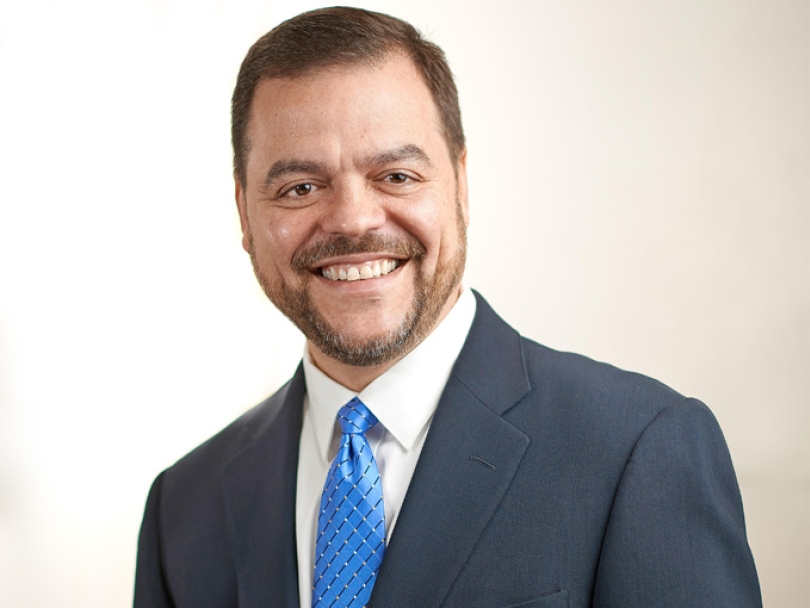
Luis Sepúlveda
Senate · District 32
|
D |
Strong +
|
100% | 28 |
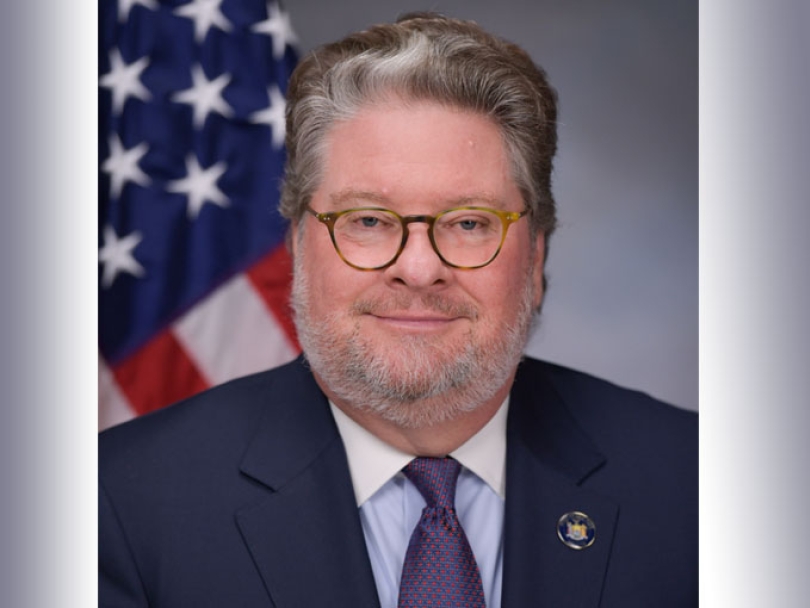
Pete Harckham
Senate · District 40
|
D |
Strong +
|
100% | 27 |
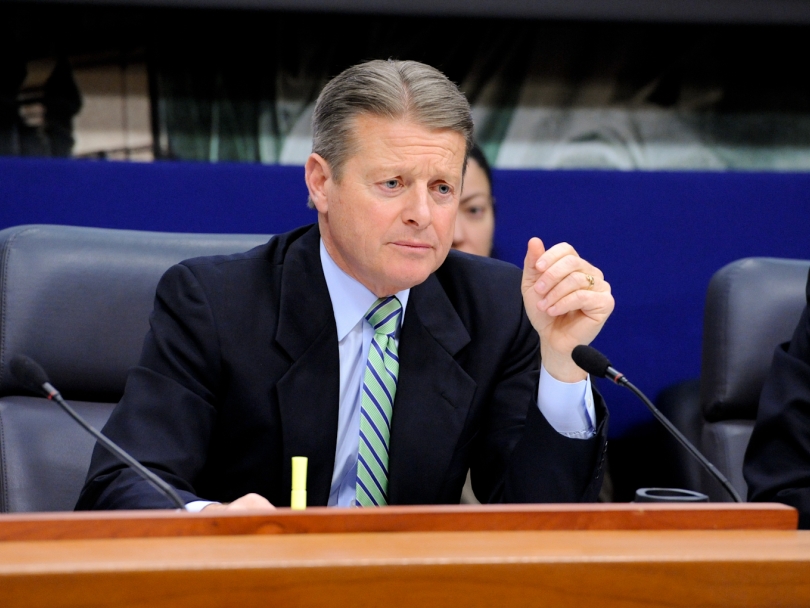
Patrick Gallivan
Senate · District 60
|
R |
Strong −
|
0% | 20 |

Dan Stec
Senate · District 45
|
R |
Strong −
|
0% | 18 |

Rob Ortt
Senate · District 62
|
R |
Strong −
|
0% | 16 |

Mark Walczyk
Senate · District 49
|
R |
Strong −
|
0% | 13 |
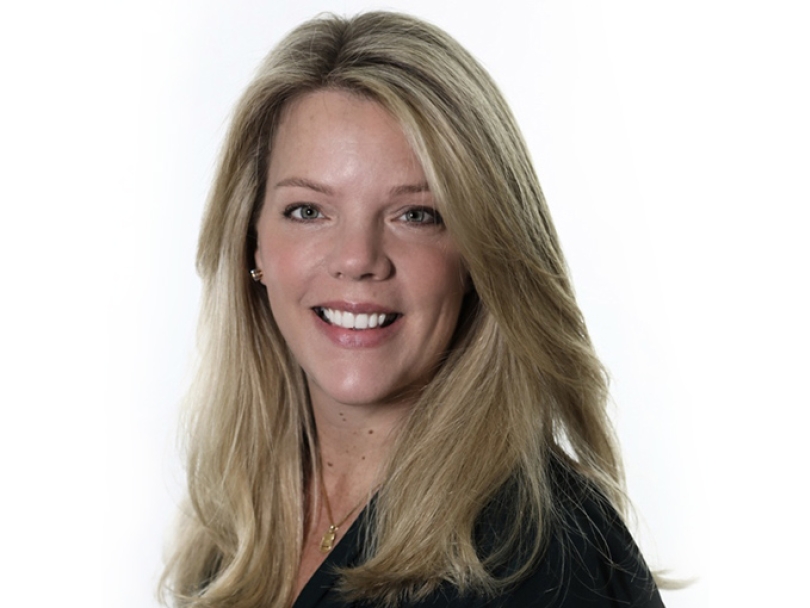
Alexis Weik
Senate · District 8
|
R |
Strong −
|
0% | 12 |
Showing 141–150 of 243
bills
All criminal justice bills
S 6814: Relates to notification of crime victims of the death of the accused
A 2013: Relates to sentencing of a person convicted of murdering a child who is less than thirteen years old
S 454: Relates to parole eligibility for certain incarcerated persons age fifty-five or older
S 2063: Relates to aggravated neglect of a companion animal
A 4879: Relates to the health, safety and human rights of incarcerated pregnant individuals, incarcerated birthing parents of children and their children
Topics
✓ Criminal JusticeSupports Criminal JusticeMandates improved health/safety standards for incarcerated birthing parents, advancing correctional reform and human rights within criminal justice system.
✓ HealthcareSupports HealthcareRequires correctional facilities to establish healthcare rules for incarcerated birthing parents, protecting rights and improving care access within prisons.
A 4325: Requires the department of corrections and community supervision to establish discharge plans and reentry services for wrongfully convicted individuals upon their discharge
Topics
✓ Criminal JusticeSupports Criminal JusticeBill mandates reentry services for wrongfully convicted individuals, directly supporting rehabilitation and reducing recidivism through housing, employment, and medical needs assistance.
✓ HousingSupports HousingBill mandates housing needs as part of reentry services for wrongfully convicted individuals, directly addressing housing stability through required discharge plans.
Sub-Topics
Probation & Parole
S 158: Authorizes certain persons confined in institutions operated by the department of corrections and community supervision to apply for a sentence reduction
Sub-Topics
Probation & Parole
S 3806: Relates to the age of persons eligible for a sentence of life imprisonment without parole
S 7142: Prohibits employment discrimination against persons whose criminal charges have been adjourned in contemplation of dismissal
Topics
✓ Criminal JusticeSupports Criminal JusticePrevents employment discrimination based on dismissed charges, aiding reintegration and reducing barriers for individuals with criminal justice system involvement, aligning with reform goals.
✓ Labor & EmploymentSupports Labor & EmploymentProhibits employment discrimination based on dismissed criminal charges, protecting applicants from unfair denial of employment due to non-conviction records, advancing workers' rights and fair employment standards.