Issue · Criminal Justice

Criminal Justice

Every criminal justice bill, vote, and legislator stance in New York, automatically classified by Maddy, our AI policy reader.

Total bills
1,570
2025 Regular Session
Top supporter
Bill Magnarelli
100% support rate
Top opponent
Chris Tague
4% support rate
Ranked legislators
10
5 support · 5 oppose
Key legislators

Who's moving criminal justice in New York

Legislators moving criminal justice in New York
Legislator Party Stance Support rate Decisive votes
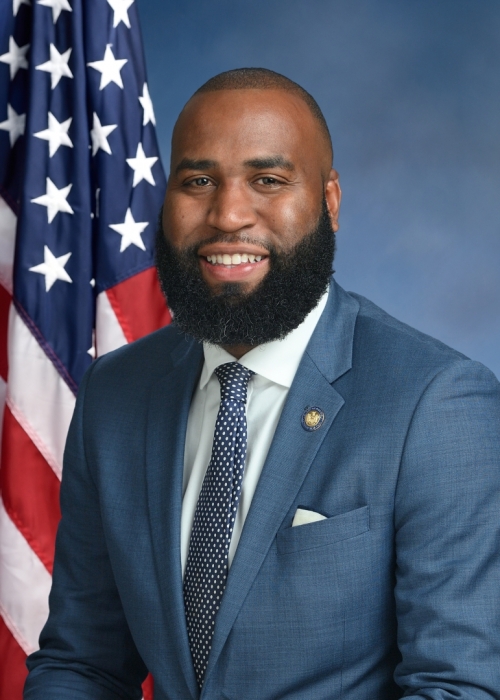
Bill Magnarelli
Bill Magnarelli House · District 129
D
Strong +
100% 27
George Alvarez
George Alvarez House · District 78
D
Strong +
100% 27
Brian Cunningham
Brian Cunningham House · District 43
D
Strong +
100% 25
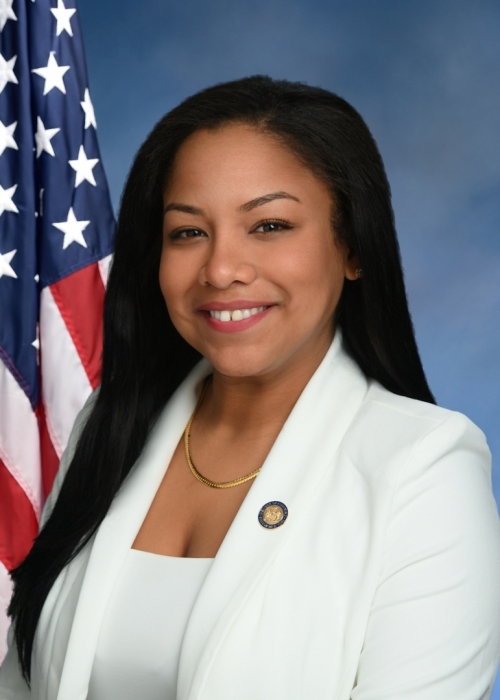
Amanda Septimo
Amanda Septimo House · District 84
D
Strong +
100% 24
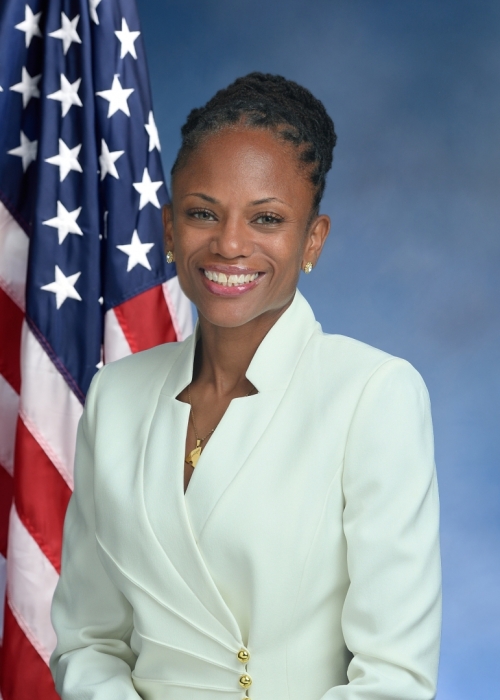
Monique Chandler-Waterman
Monique Chandler-Waterman House · District 58
D
Strong +
100% 24
Chris Tague
Chris Tague House · District 102
R
Strong −
4% 28
Dave DiPietro
Dave DiPietro House · District 147
R
Strong −
4% 28
Chris Friend
Chris Friend House · District 124
R
Strong −
4% 26
Ed Ra
Ed Ra House · District 19
R
Strong −
7% 28
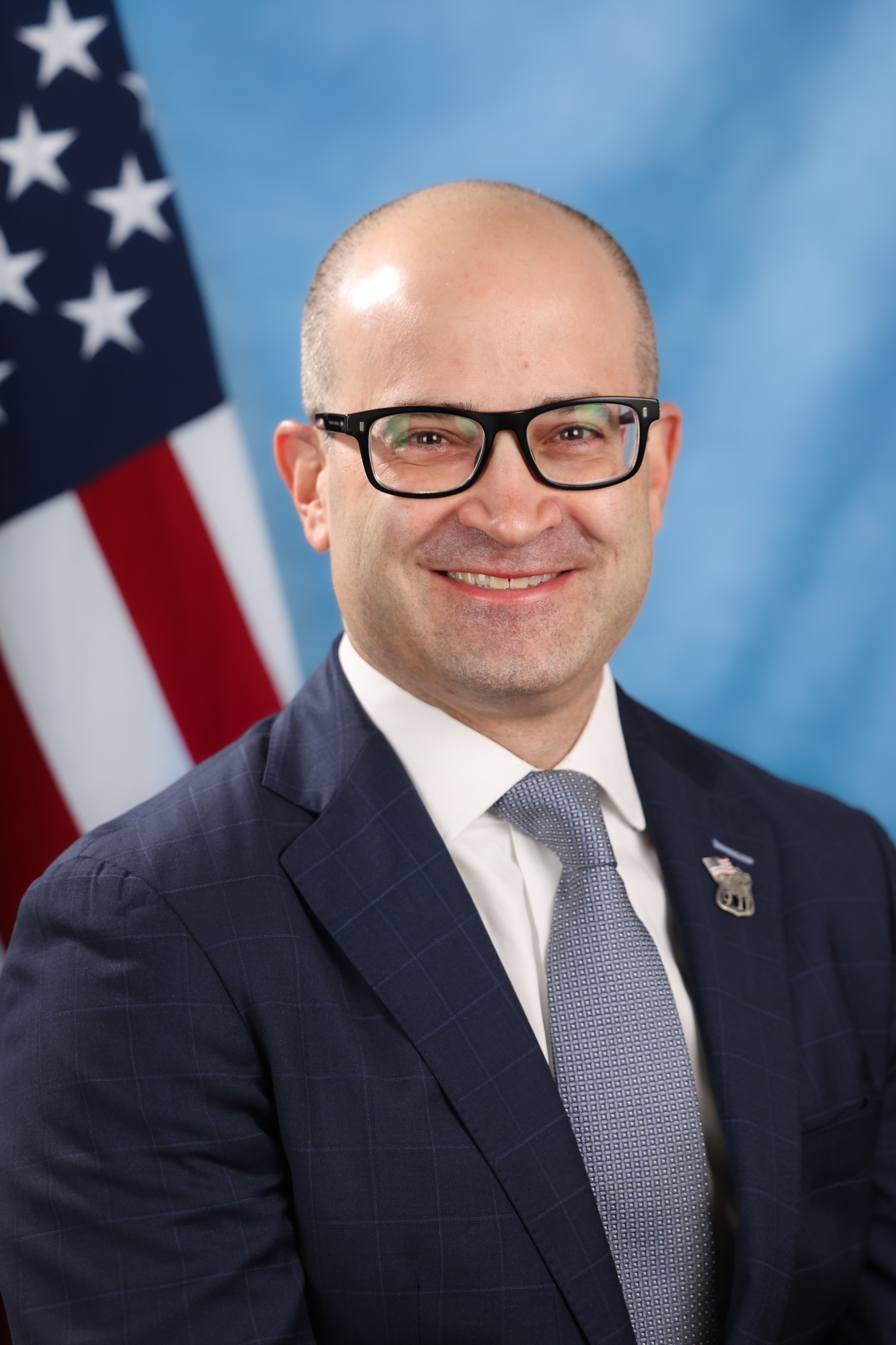
Jarett Gandolfo
Jarett Gandolfo House · District 7
R
Strong −
7% 28
Showing 1,411–1,420 of 1,570 bills

All criminal justice bills

in committee · New York · Senate Jan 7, 2026

S 7557: Creates parity for incarcerated individual telephone services for international calls to family members

Creates parity for incarcerated individual telephone services for international calls to family members outside continental United States, Canada, U.S. Virgin Islands, Puerto Rico, Guam or Central Northern Mariana Islands by requiring identical restrictions on the duration or number of phone calls and use of unit or facility phones made available to incarcerated individuals who are calling family members who are not outside continental United States, Canada, U.S. Virgin Islands, Puerto Rico, Guam or Central Northern Mariana Islands.
in committee · New York · Senate Jan 7, 2026

S 3286: Relates to motions for resentencing by the people

This bill (S 3286) allows New York prosecutors (District Attorneys) to file motions seeking reduced sentences for individuals who have served long prison terms - specifically 20+ years for serious felony convictions or 15+ years for other felonies. It directly affects inmates serving lengthy sentences who have been rehabilitated and no longer pose a public safety risk, including those with life or near-life sentences. The key provision gives prosecutors the authority to revisit past sentencing decisions when an incarcerated person has served a substantial portion of their sentence, based on evidence of rehabilitation. This aims to reduce unnecessary long-term incarceration without compromising public safety, aligning with research showing recidivism rates drop significantly after age 50.
Sub-Topics Sentencing
in committee · New York · Senate Jan 7, 2026

S 888: Relates to incarcerated individuals wages

Relates to incarcerated individuals wages; provides that incarcerated individuals shall be compensated at a base rate of $1.20 to $10 per day and shall be given biannual raises for adequate performance; provides that incarcerated individuals not participating in a work or program assignment due to age or frailty shall be paid $1.00 per day, adjusted every 5 years for cost of living.
in committee · New York · Assembly Jan 7, 2026

A 6090: Requires intervention in incidents involving incarcerated individuals

Requires every police officer, peace officer and employee of a correctional facility to intervene in incidents of violence involving incarcerated individuals.
Sub-Topics Corrections Policing
in committee · New York · Senate Jan 7, 2026

S 6173: Relates to the justification for the use of force in a homicide by a peace officer or police officer

This bill (S 6173) clarifies when police officers may use deadly force in a homicide. It states officers may only use deadly force if they reasonably believe it is necessary to prevent imminent death or serious injury to themselves or others, or to arrest someone fleeing a felony involving death or serious injury. The bill requires officers to consider all circumstances at the time, including avoiding force if safer alternatives exist, and specifically notes that people with disabilities are more likely to experience excessive force during police interactions. It also prohibits using deadly force solely to prevent self-harm unless an imminent threat exists. The law directly affects police officers’ use of force decisions and the safety of people interacting with law enforcement.
Sub-Topics Policing Violent Crime
failed · New York · Senate May 18, 2026

S 2282: Enacts the "pretrial risk overview for threat evaluation, custody, and treatment (PROTECT) Act"; repealer

Enacts the "pretrial risk overview for threat evaluation, custody, and treatment (PROTECT) Act" to evaluate certain defendants; establishes a risk assessment instrument to aid judges in determining whether to release or detain a principal, where and when a release is appropriate and necessary conditions that should be imposed as part of such release; repeals provisions of law relating to qualifying offenses and allows a court to set bail or remand a principal where based on the risk assessment instrument, where the principal poses a safety risk or risk of flight; makes related provisions.
Sub-Topics Courts
in committee · New York · Senate Jan 7, 2026

S 327: Relates to confidential informants

Relates to confidential informants; defines terms; requires the law enforcement agencies which use confidential informants to establish policies and procedures to assess the suitability of using a person as a confidential informant; makes related provisions.
Sub-Topics Law Enforcement
in committee · New York · Senate Jan 7, 2026

S 1413: Establishes the crimes of harassment of a law enforcement officer or a member of the officer's family in the first degree and second degree

S 1413 creates two new criminal offenses: "harassment of a law enforcement officer or family member in the first degree" (a felony) and "in the second degree" (a misdemeanor). First-degree harassment covers threatening communications (via phone, email, or other means) intended to cause fear for an officer's or family member's safety or property. Second-degree harassment includes physical contact, following in public, or repeated conduct that alarms officers or their families. The law directly affects anyone who targets law enforcement officers or their household members with these specific actions, with penalties ranging from a misdemeanor to a felony.
Sub-Topics Law Enforcement
in committee · New York · Senate Jan 7, 2026

S 1471: Authorizes certain electronic court appearances

Authorizes electronic court appearances for criminal matters, excluding jury trials, in all counties in the state; authorizes electronic appearances for criminal matters where the court determines a personal appearance would be impractical, unsafe or excessively burdensome; authorizes sentencing to a period of incarceration to be conducted via electronic appearance for defendants who are already incarcerated.
Sub-Topics Courts Sentencing
in committee · New York · Senate Jan 7, 2026

S 2468: Relates to law enforcement agencies reporting sex offender changes of address to the division of criminal justice services

This bill requires law enforcement agencies to report sex offender address changes to the Division of Criminal Justice Services within five business days of receiving the information. It directly affects law enforcement agencies (who must submit reports) and sex offenders (who must initially register changes within 10 days). The key provision mandates that police forward registration updates to the state division within the new 5-day timeframe, while also requiring them to provide a copy to the offender and keep their own records. The bill does not change the 10-day registration deadline for offenders or the $10 fee for registration updates.
Sub-Topics Policing
Showing 1,411 to 1,420 of 1,570 bills