Issue · Criminal Justice

Criminal Justice

Every criminal justice bill, vote, and legislator stance in New York, automatically classified by Maddy, our AI policy reader.

Total bills
1,570
2025 Regular Session
Top supporter
Bill Magnarelli
100% support rate
Top opponent
Chris Tague
4% support rate
Ranked legislators
10
5 support · 5 oppose
Key legislators

Who's moving criminal justice in New York

Legislators moving criminal justice in New York
Legislator Party Stance Support rate Decisive votes
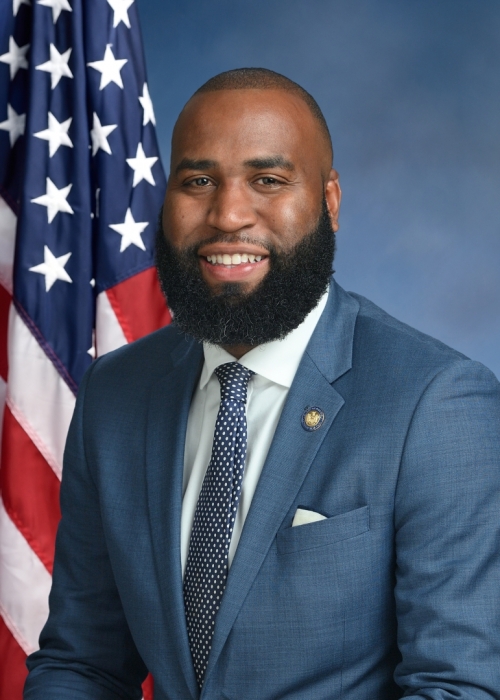
Bill Magnarelli
Bill Magnarelli House · District 129
D
Strong +
100% 27
George Alvarez
George Alvarez House · District 78
D
Strong +
100% 27
Brian Cunningham
Brian Cunningham House · District 43
D
Strong +
100% 25
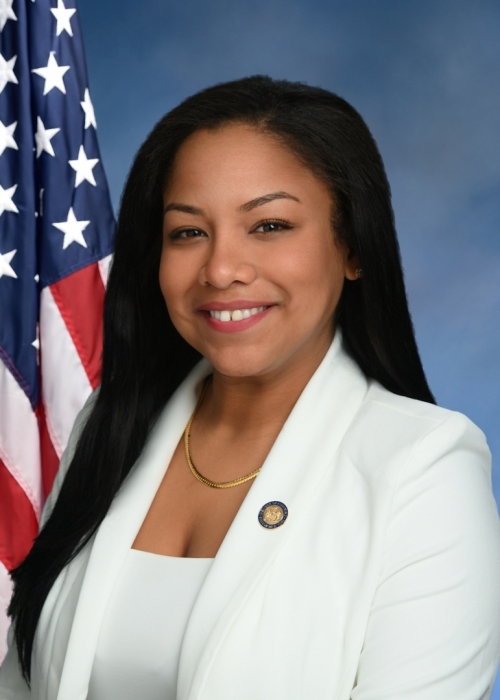
Amanda Septimo
Amanda Septimo House · District 84
D
Strong +
100% 24
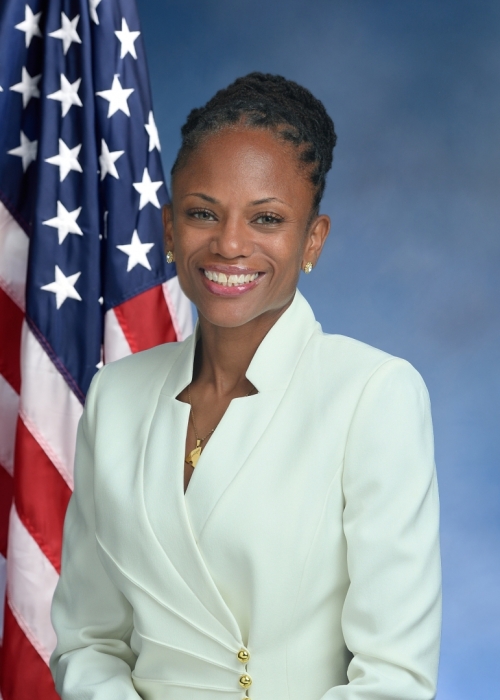
Monique Chandler-Waterman
Monique Chandler-Waterman House · District 58
D
Strong +
100% 24
Chris Tague
Chris Tague House · District 102
R
Strong −
4% 28
Dave DiPietro
Dave DiPietro House · District 147
R
Strong −
4% 28
Chris Friend
Chris Friend House · District 124
R
Strong −
4% 26
Ed Ra
Ed Ra House · District 19
R
Strong −
7% 28
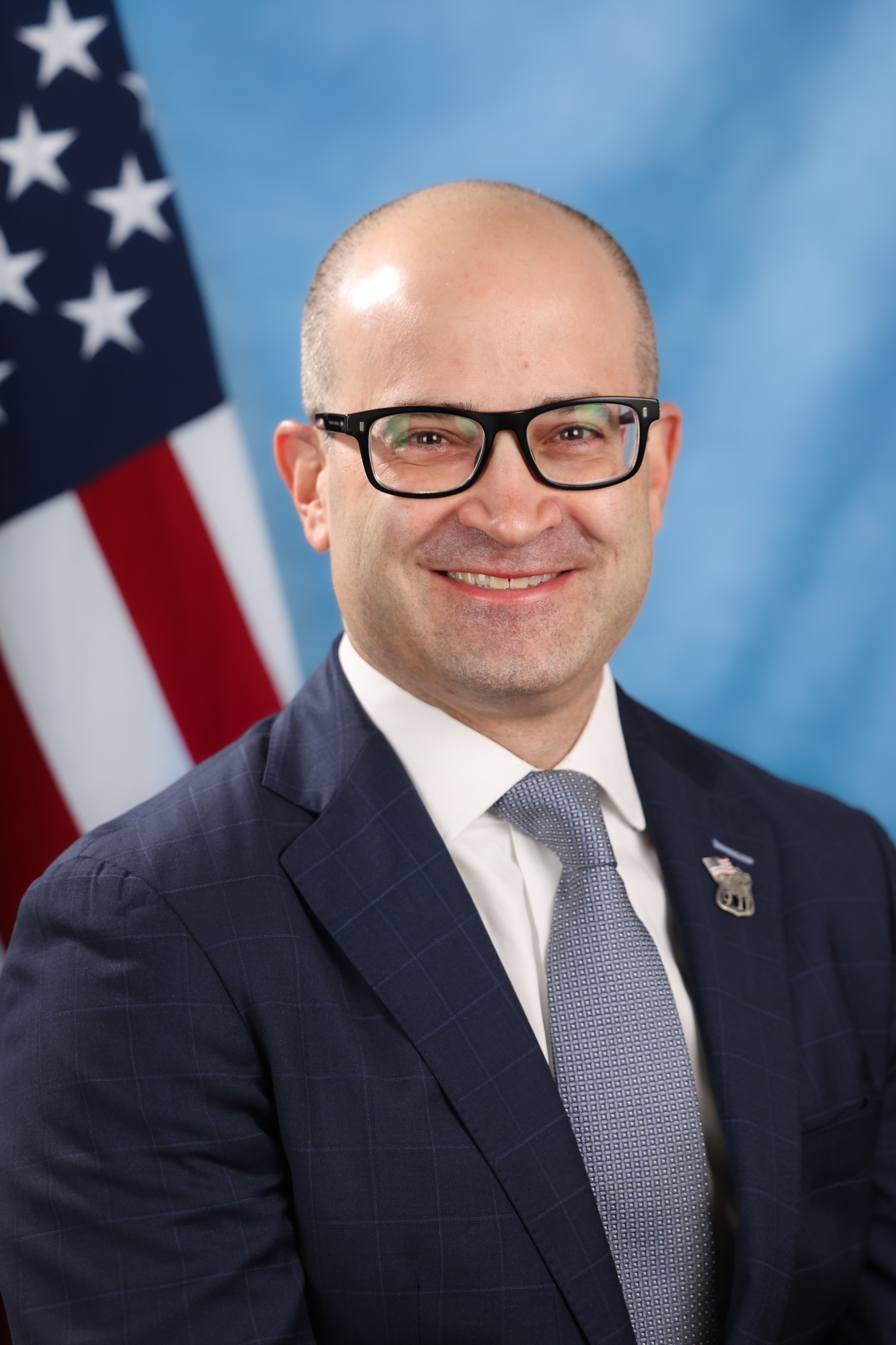
Jarett Gandolfo
Jarett Gandolfo House · District 7
R
Strong −
7% 28
Showing 1,381–1,390 of 1,570 bills

All criminal justice bills

in committee · New York · Assembly Jan 7, 2026

A 5565: Relates to the execution of a warrant of arrest and establishes educational programs for judicial personnel on the law of searches, arrests and seizures

Relates to the execution of a warrant of arrest; authorizes the commissioner of the division of criminal justice services to establish a system to record and monitor the issuance and execution of search warrants; authorizes the chief administrator of the court system to establish educational programs for judicial personnel on the law of searches, arrests and seizures.
Sub-Topics Courts
in committee · New York · Senate Jan 7, 2026

S 5904: Requires a mental health medical professional to examine incarcerated individuals in solitary confinement

Requires a mental health medical professional to examine incarcerated individuals in solitary confinement when such incarcerated individual is in such confinement for a period in excess of twenty-four hours.
Sub-Topics Corrections
in committee · New York · Senate Jan 7, 2026

S 6451: Requires foster care records of incarcerated individual to be sent to a correctional facility

This bill requires correctional facilities to receive foster care records for incarcerated individuals who were previously in foster care. It mandates that the department obtain key details about their foster care history (including age entered and duration of care) and send a copy of these records to the facility where the person is held. This applies to all correctional facilities, including juvenile detention centers. The policy aims to provide relevant background information to correctional staff about individuals with foster care experience.
in committee · New York · Senate Jan 7, 2026

S 5817: Relates to temporary release eligibility for judicially ordered comprehensive alcohol and substance abuse treatment

This bill modifies New York's correction law to expand temporary release eligibility for incarcerated individuals who complete judicially-ordered substance abuse treatment in state facilities. It allows these individuals to qualify for temporary release programs (like work release or community service) without requiring parole eligibility, provided they meet specific criteria. However, it explicitly excludes individuals convicted of sex offenses, violent crimes involving deadly weapons, or serious physical injury, and requires commissioner approval for certain cases. The policy change directly affects incarcerated people in New York state correctional facilities participating in substance abuse treatment programs.
in committee · New York · Assembly Jan 7, 2026

A 4491: Relates to comparing fingerprints of a defendant against the statewide database

This bill allows courts to order fingerprint comparisons against statewide and national databases for defendants in criminal cases. It requires courts to determine first that the fingerprints meet federal or state standards, and second that a different outcome was likely if the comparison had been done earlier (e.g., a more favorable verdict or no conviction). The law directly affects defendants seeking to challenge prior convictions based on new fingerprint evidence. It creates a specific legal pathway for courts to review such evidence without changing how fingerprints are collected during investigations. The bill focuses on post-conviction relief, not new investigations.
Sub-Topics Courts
in committee · New York · Assembly Jan 7, 2026

A 5895: Provides for orders of protection for harassment

This bill amends New York's criminal procedure law to clarify when courts can issue orders of protection for harassment victims during criminal cases. It specifies that courts may issue temporary protection orders while a case is pending and must state reasons for issuing or denying final protection orders after sentencing. The bill sets new maximum durations for these orders based on offense type: up to 8 years for felony convictions (10 years for certain sexual assault cases), 5 years for class A misdemeanors (6 years for sexual assault), and 2 years for other offenses. These changes directly affect courts handling criminal cases, defendants convicted of harassment-related crimes, and victims seeking legal protection.
in committee · New York · Senate Feb 4, 2025

S 768: Relates to breast cancer screening and diagnostic testing for incarcerated individuals in accordance with certain nationally recognized clinical practice guidelines

Provides incarcerated individuals with access to breast cancer screening and diagnostic testing in accordance with certain nationally recognized clinical practice guidelines.
in committee · New York · Assembly Jan 7, 2026

A 5492: Relates to establishing a judicial diversion program for young defendants

This bill establishes a judicial diversion program for defendants under 24 charged with non-violent felonies or misdemeanors, allowing them to avoid a criminal conviction by completing a 16-month job training program. Eligibility excludes those with prior violent felony convictions, persistent offender status, or pending violent charges, though prosecutors may later permit participation. Participants must complete job training (including job opportunities and wages), attend court check-ins, and avoid criminal activity during the program. Upon successful completion, the court can dismiss the original charges or allow the defendant to withdraw a guilty plea and enter a misdemeanor plea with probation.
in committee · New York · Assembly Jan 7, 2026

A 1405: Relates to establishing gang courts pilot program

This bill establishes a five-year pilot program for specialized "gang courts" in Orange, Nassau, and Suffolk counties, starting January 1, 2026, and ending January 1, 2031. The courts will handle criminal cases involving groups of three or more people actively engaged in criminal conduct, as defined by the bill. Funding must come from a mix of federal grants (from the U.S. Department of Justice) and state/local resources, with the chief administrator of the courts overseeing setup and procedures. Cases will be transferred to these specialized courts from regular county courts for gang-related offenses, operating under rules set by the chief administrator.
Sub-Topics Courts
in committee · New York · Assembly Jan 7, 2026

A 1586: Relates to the application of bail in certain prostitution and labor trafficking cases

This bill modifies bail procedures for defendants charged with specific crimes related to prostitution and labor trafficking. It adds provisions requiring courts to consider bail or remand in cases involving promoting prostitution (under Penal Law §§ 230.25, 230.30, 230.32) or compelling prostitution (§ 230.33), as well as labor trafficking (§ 135.35) or aggravated labor trafficking (§ 135.37). Prosecutors must show reasonable cause that the defendant committed the offense, and courts may release defendants on their own recognizance or under non-monetary conditions if the alleged harm (like negligible theft) appears unrelated to further criminal activity. The bill directly affects individuals facing these specific charges in New York courts.
Sub-Topics Human Trafficking
Showing 1,381 to 1,390 of 1,570 bills