Issue · Criminal Justice

Criminal Justice

Every criminal justice bill, vote, and legislator stance in New York, automatically classified by Maddy, our AI policy reader.

Total bills
1,570
2025 Regular Session
Top supporter
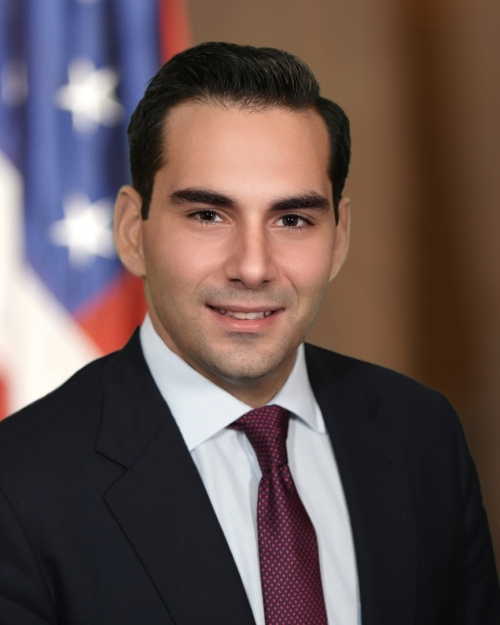
Bill Magnarelli
100% support rate
Top opponent
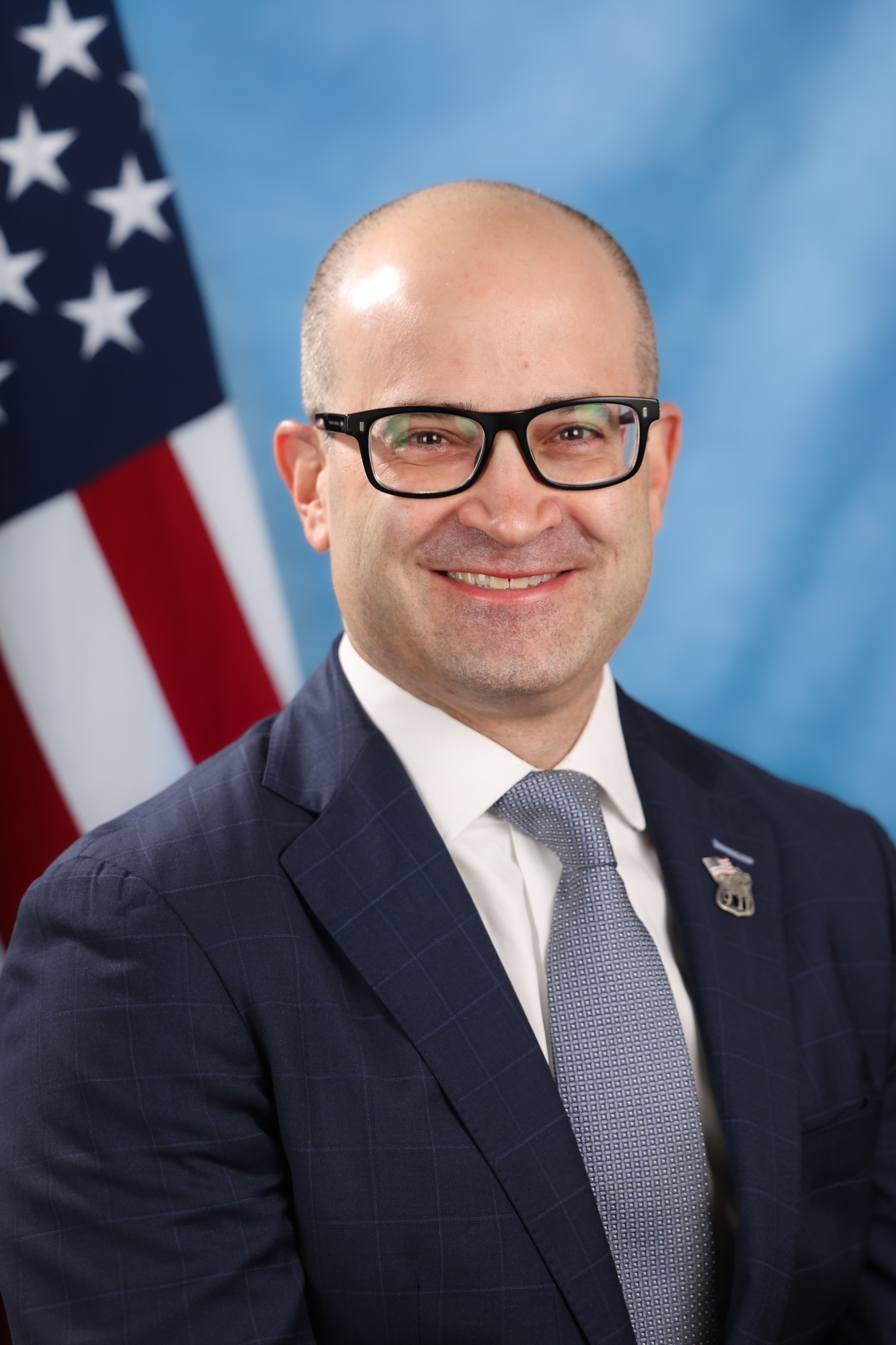
Chris Tague
4% support rate
Ranked legislators
10
5 support · 5 oppose
Key legislators

Who's moving criminal justice in New York

Legislators moving criminal justice in New York
Legislator Party Stance Support rate Decisive votes
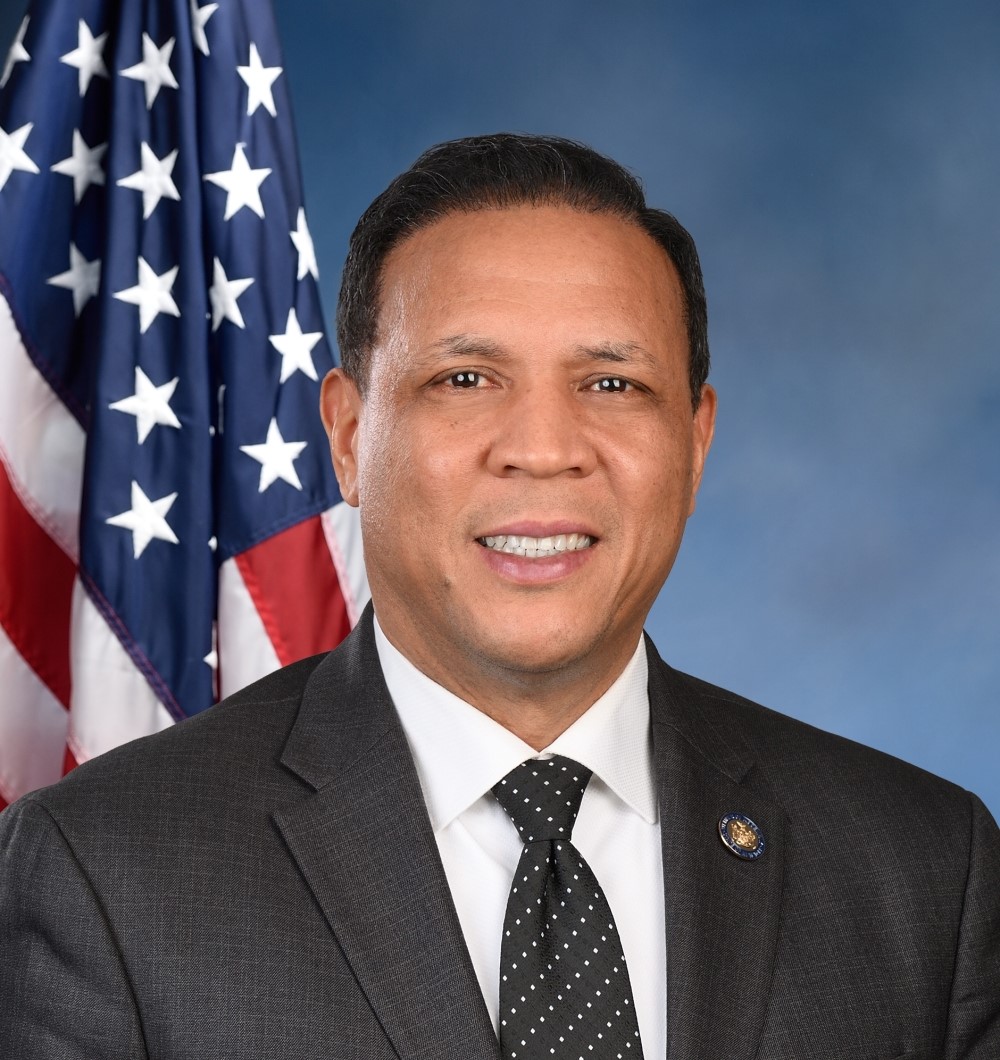
Bill Magnarelli
Bill Magnarelli House · District 129
D
Strong +
100% 27
George Alvarez
George Alvarez House · District 78
D
Strong +
100% 27
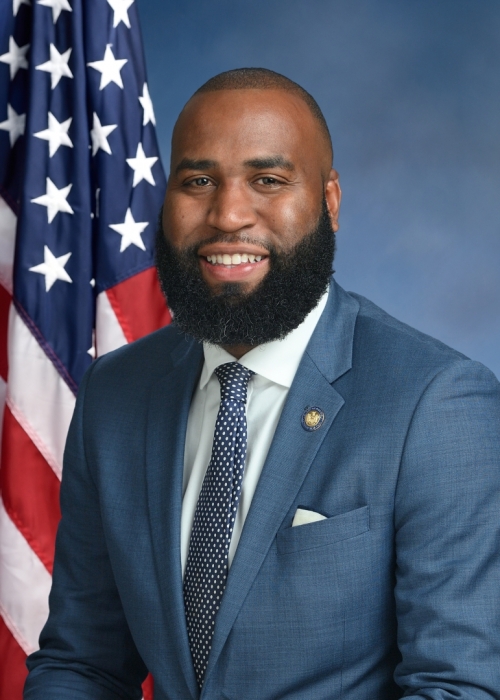
Brian Cunningham
Brian Cunningham House · District 43
D
Strong +
100% 25
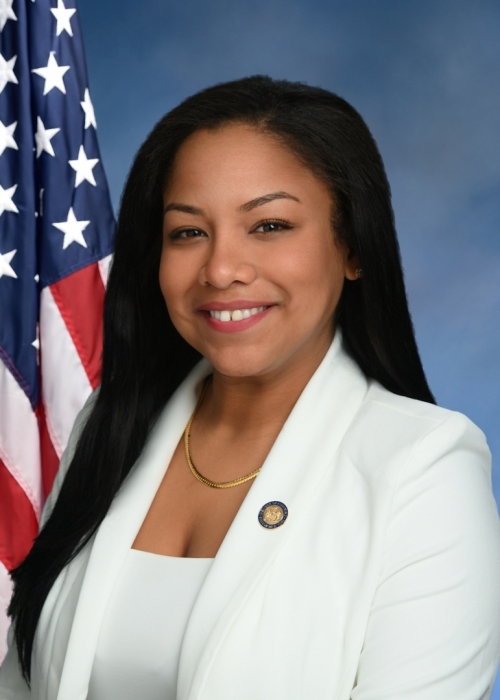
Amanda Septimo
Amanda Septimo House · District 84
D
Strong +
100% 24
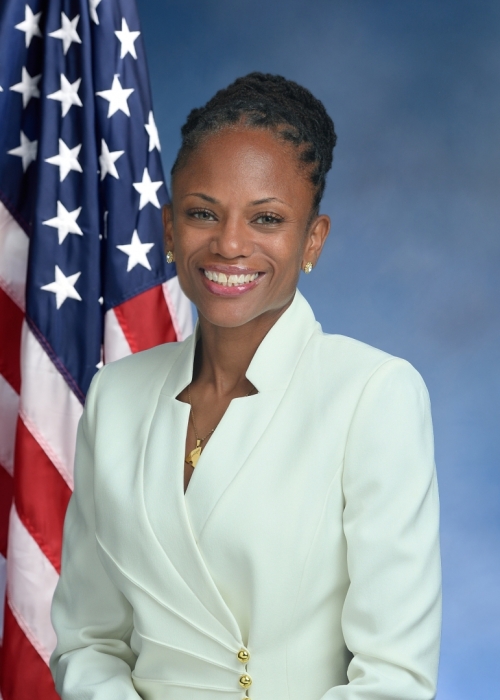
Monique Chandler-Waterman
Monique Chandler-Waterman House · District 58
D
Strong +
100% 24
Chris Tague
Chris Tague House · District 102
R
Strong −
4% 28
Dave DiPietro
Dave DiPietro House · District 147
R
Strong −
4% 28
Chris Friend
Chris Friend House · District 124
R
Strong −
4% 26
Ed Ra
Ed Ra House · District 19
R
Strong −
7% 28
Jarett Gandolfo
Jarett Gandolfo House · District 7
R
Strong −
7% 28
Showing 1,321–1,330 of 1,570 bills

All criminal justice bills

in committee · New York · Assembly Jan 7, 2026

A 1684: Establishes a special prosecutor to investigate and prosecute matters involving the death of an unarmed civilian caused by a law enforcement officer

This bill establishes a special prosecutor appointed by the governor to investigate and prosecute cases where an unarmed civilian dies due to a police officer's actions. The special prosecutor, serving a 3-year term, replaces local district attorneys in these cases and must dedicate full time to such investigations. They are required to conduct independent reviews - including evidence gathering and witness interviews - and submit detailed reports to the governor and legislature when declining to pursue charges or when grand juries refuse indictments. The special prosecutor’s role takes effect 60 days after the bill becomes law.
Sub-Topics Policing
in committee · New York · Assembly Jan 7, 2026

A 6352: Relates to racial and ethnic impact statements on bills

This bill, the "racial and ethnic equity act" (A 6352), requires New York State to create racial and ethnic impact statements for certain bills that may affect correctional, public assistance, or child welfare systems. Before such bills can be considered by a committee, designated state agencies (like the Division of Criminal Justice Services for criminal justice bills) must prepare statements analyzing how a bill could change the racial and ethnic makeup of these populations using data and statistics. The statements must show whether a bill would disproportionately impact minority groups and cover at least three years of projected effects. This applies to bills that could increase incarceration, change penalties, alter public assistance access, or affect child welfare systems.
Sub-Topics Corrections
in committee · New York · Assembly Jan 7, 2026

A 848: Relates to bail and domestic violence charges

This bill requires courts to specifically consider domestic violence charges when setting bail for defendants. It mandates that judges evaluate factors like prior domestic violence arrests, existing orders of protection, and history of violence against family or household members as part of bail decisions. The law directly affects defendants charged with domestic violence crimes and the courts determining their bail conditions. Courts must now document why they believe a defendant poses a flight risk and justify their chosen bail terms, including how domestic violence history influenced the decision. This changes existing bail procedures by making domestic violence a required consideration, not just one factor among many.
Sub-Topics Domestic Violence
in committee · New York · Assembly Jan 7, 2026

A 781: Establishes rehabilitation programs within secure treatment facilities for persistent criminal offenders who have been convicted of ten or more violent criminal offenses

Establishes rehabilitation programs within secure treatment facilities for persistent criminal offenders who have been convicted of ten or more violent criminal offenses; establishes eligibility criteria for rehabilitation programs, including requiring a hearing and finding by the court that demonstrates that the persistent criminal offender's criminal pattern and risk to public safety or themselves.
Sub-Topics Courts
in committee · New York · Senate Jan 7, 2026

S 3918: Relates to the modification of the procedure for interviews of parole applicants and to the disclosure of parole applicant records

S 3918 modifies New York State's parole process by requiring a 3-month advance in-person interview (recorded audio-visually) for parole applicants, replacing a prior one-month timeline. It mandates that applicants review their full parole file one month before hearings and requires the parole board to provide detailed, written reasons for denials - including specific requirements for reconsideration - within 24 months. The bill also standardizes disclosure of mental health records (unless harm is likely) and ensures victims receive certain information upon request, while clarifying conditions for release like voting rights restoration.
in committee · New York · Senate Jan 7, 2026

S 4127: Creates the New York state social impact bond initiative

Establishes a statewide pilot program modeled after the NYC social impact bond project to lower recidivism and improve the lives of 16-18 year olds in New York's correctional facilities.
in committee · New York · Assembly Jan 7, 2026

A 1478: Relates to criminalizing the act of stalking a police officer or peace officer

This bill adds new felony offenses to New York's penal law specifically for stalking police officers or peace officers and their immediate family members (spouses, children, parents, or household members). It creates three levels of stalking: third degree (intentional conduct causing fear of harm), second degree (multiple incidents or prior related convictions), and first degree (causing physical injury or escalating crimes). The law defines prohibited conduct as repeated, unwanted contact, following, or communication after being told to stop, with penalties ranging from class E to class D felonies. It directly affects law enforcement officers and their families by providing specific legal protections against targeted stalking behavior.
in committee · New York · Senate Jan 7, 2026

S 1216: Relates to crisis intervention training for police officers

S 1216 requires police departments in cities with populations of one million or more to implement crisis intervention training for all officers. The bill mandates that city councils develop written protocols - created with input from mental health and addiction officials - for responding to situations involving people experiencing mental illness or substance abuse. These protocols must include mandatory training for both new and veteran officers, along with recommendations for ongoing retraining programs. The law applies to large cities and takes effect 90 days after enactment.
in committee · New York · Assembly Jan 7, 2026

A 2654: Relates to the age of persons eligible for a sentence of life imprisonment without parole

Bill A 2654 clarifies that only individuals aged 18 or older at the time of the crime may receive a life imprisonment sentence without parole. It specifically applies to convictions for first-degree murder, certain terrorism offenses, or aggravated murder, requiring judges to impose life without parole for 18+ defendants in these cases. The bill also specifies that defendants aged 17 or younger at the time of the crime cannot receive life without parole and must instead be sentenced to an indefinite term with a maximum life sentence. This amendment updates existing sentencing rules to establish a clear age threshold for this severe penalty.
in committee · New York · Senate Jan 7, 2026

S 7872: Relates to comparing fingerprints of a defendant against the statewide database

Senate Bill S 7872 allows a court to order the Division of Criminal Justice Services to compare a defendant's fingerprints against statewide and national databases. This comparison can be ordered if the court determines the fingerprint meets federal or state requirements. The court must also find a reasonable probability that the comparison results, if available, would have led to a more favorable trial verdict or prevented a guilty plea. This bill provides a new mechanism for courts to potentially review fingerprint evidence in criminal cases, affecting defendants, courts, and law enforcement agencies.
Sub-Topics Courts
Showing 1,321 to 1,330 of 1,570 bills