Issue · Criminal Justice

Criminal Justice (Violent Crime)

Every criminal justice bill, vote, and legislator stance in New York, automatically classified by Maddy, our AI policy reader.

Total bills
137
2025 Regular Session
Top supporter
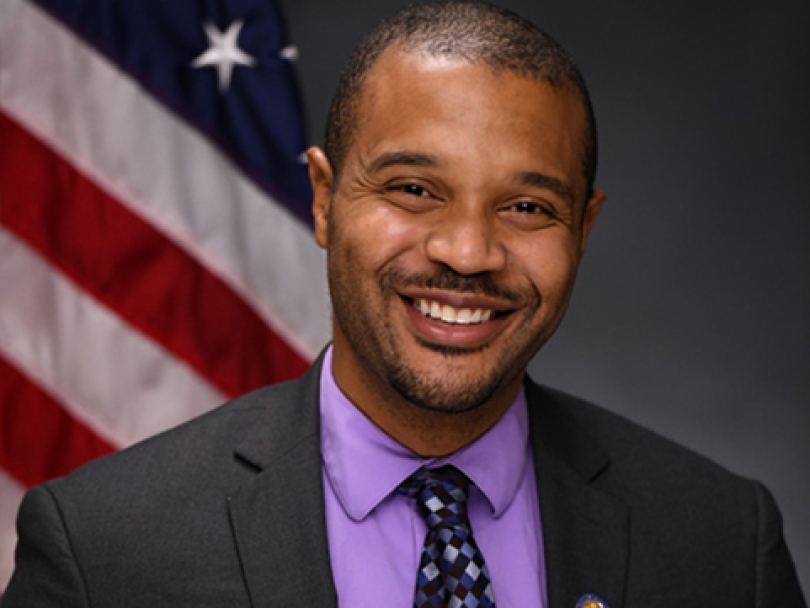
Julia Salazar
100% support rate
Top opponent
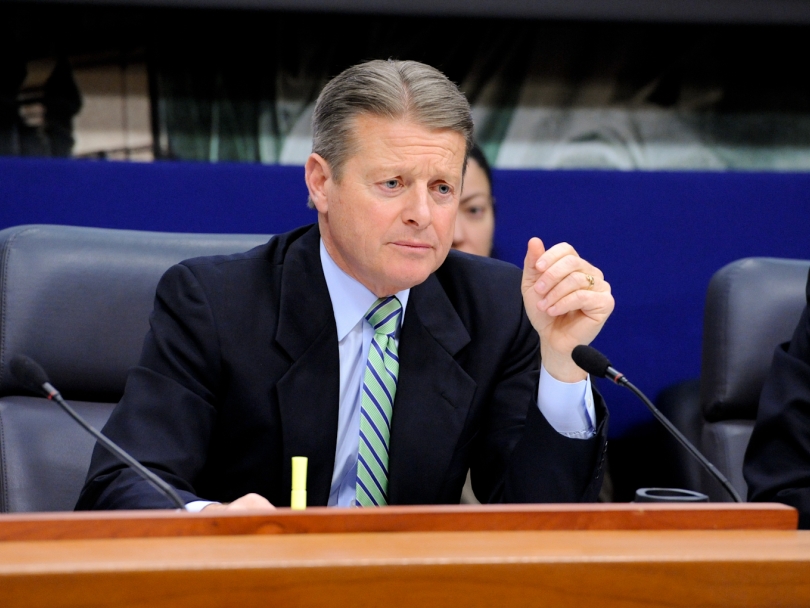
Patrick Gallivan
0% support rate
Ranked legislators
9
5 support · 4 oppose
Key legislators

Who's moving violent crime in New York

Legislators moving violent crime in New York
Legislator Party Stance Support rate Votes
Julia Salazar
Julia Salazar Senate · District 18
D
Strong +
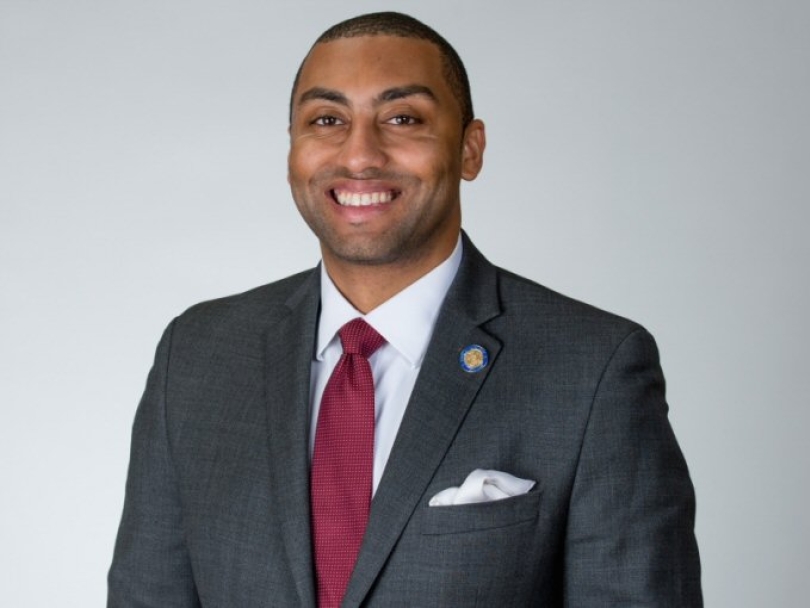
100% 6
Luis Sepúlveda
Luis Sepúlveda Senate · District 32
D
Strong +
100% 6
Jabari Brisport
Jabari Brisport Senate · District 25
D
Strong +
100% 5
Jamaal Bailey
Jamaal Bailey Senate · District 36
D
Strong +
83% 6
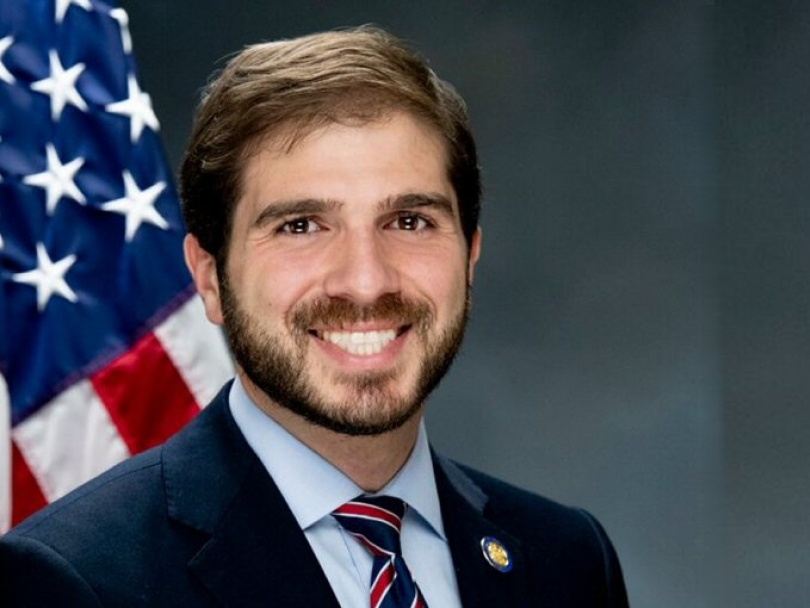
Andrew Gounardes
Andrew Gounardes Senate · District 26
D
Strong +
80% 5
Patrick Gallivan
Patrick Gallivan Senate · District 60
R
Strong −
0% 5
Tom O'Mara
Tom O'Mara Senate · District 58
R
Strong −
0% 5
Tony Palumbo
Tony Palumbo Senate · District 1
R
Strong −
0% 5
Dean Murray
Dean Murray Senate · District 3
R
Strong −
20% 5
Showing 111–120 of 137 bills

All criminal justice bills

in committee · New York · Senate Jan 7, 2026

S 5290: Requires that a defendant must be over twenty-five years old to be guilty of felony murder

This bill (S 5290) changes the law to require that a defendant must be over 25 years old to be convicted of felony murder. It applies specifically to cases where someone dies during the commission or escape from certain violent crimes like robbery, burglary, kidnapping, or sexual assault. The law amends the penal code to exclude defendants under 25 from felony murder charges in these scenarios, meaning younger individuals cannot be held liable for felony murder even if they participated in the underlying crime. The change takes effect immediately upon enactment.
Sub-Topics Violent Crime
in committee · New York · Assembly Jan 7, 2026

A 5326: Enacts the criminal street gang related crimes act

This bill (A 5326, "Criminal Street Gang Related Crimes Act") creates enhanced penalties for specific violent crimes committed in connection with criminal street gangs. It directly affects individuals convicted of listed offenses - such as assault, robbery, kidnapping, or arson - when linked to gang membership or activity. Key provisions define "criminal street gang" and "gang-related crime," then increase penalties: violent felonies become higher-level felonies, while non-violent offenses are upgraded by one category (e.g., an E felony becomes a D felony). The law applies only to crimes meeting strict gang activity criteria, mirroring similar laws in other states.
Sub-Topics Violent Crime
died · New York · Senate Jun 5, 2026

S 5138: Abolishes citizens arrests; repealer

S 5138 abolishes New York State's legal allowance for citizens to make arrests, removing a long-standing provision that permitted ordinary people to detain others under specific circumstances. The bill repeals key sections of the criminal procedure law and penal law that previously authorized citizens to use physical force to arrest individuals suspected of committing certain serious crimes (like murder or robbery) while they were fleeing. This change directly affects all New Yorkers who previously could legally make citizen arrests, replacing that authority with exclusive police powers for arrests. The bill does not alter police procedures or create new offenses, but removes a specific legal tool available to private individuals. It is currently pending in the Assembly after passing the Senate.
Sub-Topics Policing Violent Crime
in committee · New York · Senate Jan 7, 2026

S 8468: Relates to assault, harassment or stalking of an elected official

This bill (S 8468) creates new criminal offenses targeting threats and violence against elected officials in New York State. It establishes "stalking an elected official" (a class D felony) and "aggravated harassment of an elected official" (a class E felony), which include threats via communication, unwanted contact, or physical actions motivated by bias, when directed at officials or their immediate family. The law specifically covers all elected officials at state, city, county, town, village, or school board levels, and applies to communications or actions related to their official duties. Penalties increase for assaults causing serious injury, raising assault on elected officials to a class C felony and aggravated assault to a class B felony.
in committee · New York · Senate Jan 7, 2026

S 7360: Provides for orders of protection for harassment

This bill (S 7360) standardizes the duration of court-issued protective orders for harassment victims after criminal convictions. It requires courts to set specific time limits for these orders based on the offense type: up to 8 years for felony sexual assault convictions, up to 5 years for certain class A misdemeanors, and up to 2 years for other offenses. Courts must also state on record why they issued or denied such orders when a temporary order was previously granted. The bill directly affects defendants convicted of harassment-related crimes and the courts issuing protective orders in those cases.
in committee · New York · Assembly Jan 7, 2026

A 8993: Increases penalties for assaulting, stalking, or harassing an elected official

This bill increases criminal penalties for assaulting, stalking, or harassing elected officials in New York State. It specifically targets acts causing serious injury to officials (including local leaders like town board or school board members) or threatening their safety, making these offenses felonies with higher penalties. Assault becomes a class C felony, aggravated assault a class B felony, stalking a class D felony, and certain harassment a class E felony. These changes apply to anyone who intentionally harms an official or their immediate family while they perform public duties.
in committee · New York · Senate Jan 7, 2026

S 2576: Relates to the definition of person for the purposes of homicide

S 2576 amends New York's criminal code to define "person" in homicide cases as a living, born human being. This change, named "Mya's law," specifies that only individuals who have been fully born and are alive qualify as homicide victims under the law. The bill takes immediate effect upon enactment. It directly affects how homicide charges are applied, particularly in cases involving infants or unborn individuals.
Sub-Topics Violent Crime
in committee · New York · Senate Jan 7, 2026

S 283: Designates offenses against law enforcement officers as hate crimes and makes graffiti a hate crime

This bill (S 283) reclassifies attacks against law enforcement officers and graffiti as hate crimes under New York law. It expands the definition of hate crimes to include offenses committed "because of actual or perceived employment as a law enforcement officer" and adds "making graffiti" (specifically under penal law section 145.60) to the list of acts considered hate crimes. This change means that when someone commits assault or vandalism targeting officers or creates graffiti, prosecutors can pursue enhanced penalties under hate crime statutes. The law directly affects individuals committing these acts and changes how such offenses are legally categorized, without altering existing penalties for the underlying crimes.
in committee · New York · Senate Jan 7, 2026

S 4006: Provides that conviction of assault on a social services worker which prevents them from performing a lawful duty is a felony

This bill amends New York's penal law to classify assault against social services workers as a class C felony when it prevents them from performing their lawful duties. It specifically covers workers providing services like child welfare, counseling, or crisis intervention, and applies when the assault causes serious injury. The law upgrades penalties for such assaults from a misdemeanor to a felony, aligning them with protections for police, firefighters, and emergency medical personnel. This change directly affects social services workers and sets clear criminal penalties for violent acts targeting their ability to carry out essential community roles.
Sub-Topics Policing Violent Crime
in committee · New York · Senate Jan 7, 2026

S 142: Increases from twenty-four to sixty months, the time for which reconsideration for parole for a violent felony offense shall be determined

Enacts "Lorraine's Law"; increases from twenty-four to sixty months, the time for which reconsideration for parole for a violent felony offense shall be determined.
Showing 111 to 120 of 137 bills
Previous 1 11 12 13 14 Next