Issue · Criminal Justice

Criminal Justice (Sentencing)

Every criminal justice bill, vote, and legislator stance in New York, automatically classified by Maddy, our AI policy reader.

Total bills
117
2025 Regular Session
Top supporter
Brian Kavanagh
100% support rate
Top opponent
Dean Murray
0% support rate
Ranked legislators
10
5 support · 5 oppose
Key legislators

Who's moving sentencing in New York

Legislators moving sentencing in New York
Legislator Party Stance Support rate Votes
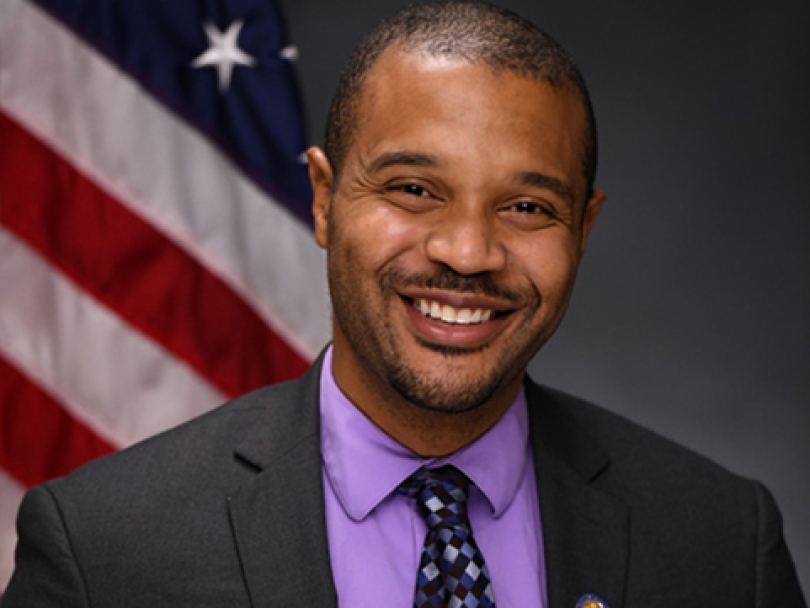
Brian Kavanagh
Brian Kavanagh Senate · District 27
D
Strong +
100% 6
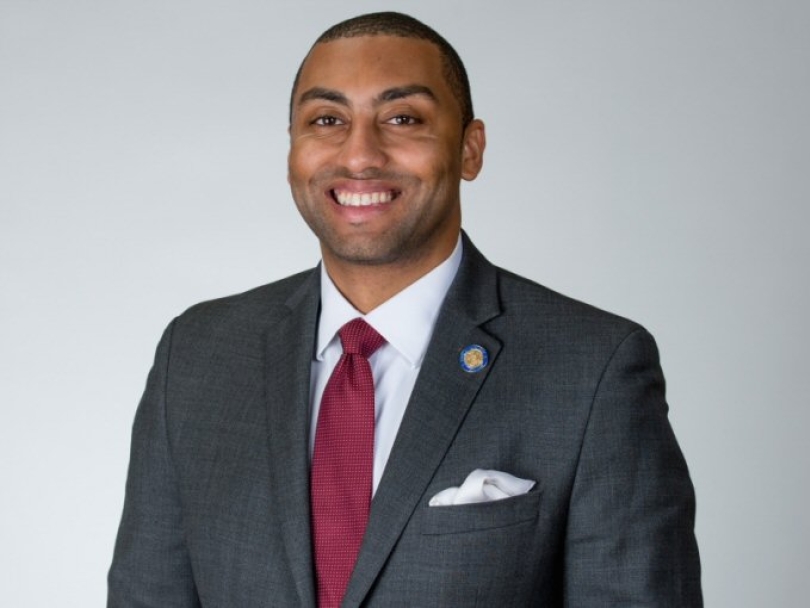
Jabari Brisport
Jabari Brisport Senate · District 25
D
Strong +
100% 6
Jamaal Bailey
Jamaal Bailey Senate · District 36
D
Strong +
100% 6
Julia Salazar
Julia Salazar Senate · District 18
D
Strong +
100% 6
Luis Sepúlveda
Luis Sepúlveda Senate · District 32
D
Strong +
100% 6
Dean Murray
Dean Murray Senate · District 3
R
Strong −
0% 6
Tom O'Mara
Tom O'Mara Senate · District 58
R
Strong −
0% 6
Alexis Weik
Alexis Weik Senate · District 8
R
Strong −
0% 3
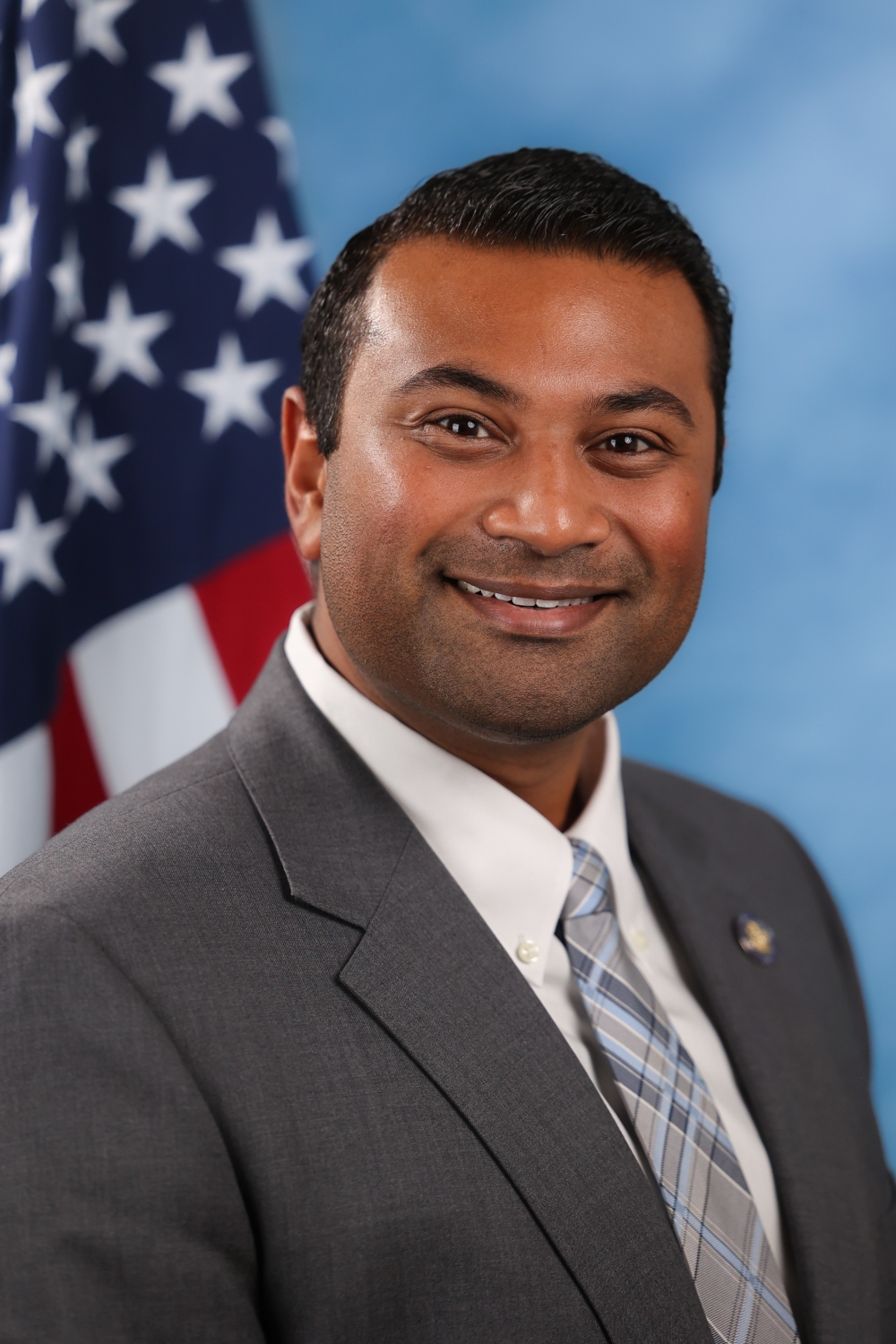
Anil Beephan
Anil Beephan House · District 105
R
Strong −
0% 3
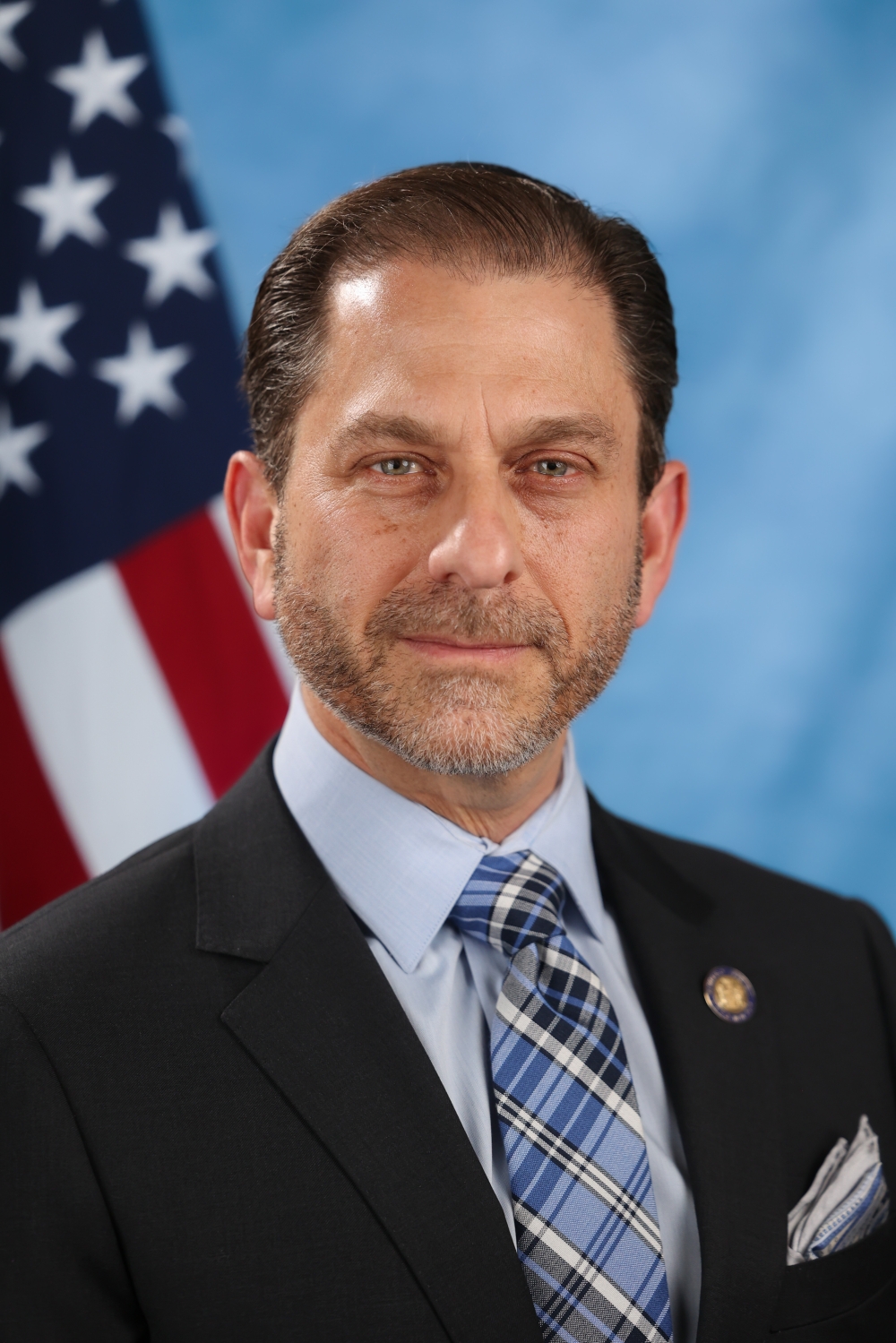
Ari Brown
Ari Brown House · District 20
R
Strong −
0% 3
Showing 111–117 of 117 bills

All criminal justice bills

in committee · New York · Senate Jan 7, 2026

S 6836: Relates to the crime of aggravated criminal contempt

This bill (S 6836) requires that sentences for aggravated criminal contempt be served consecutively when the offense occurs while a person is awaiting sentencing on another felony charge. It specifically applies to individuals convicted of aggravated criminal contempt - such as violating protection orders, having prior contempt convictions, or committing contempt while in custody - while facing a separate felony case. The key change mandates that if imprisonment is ordered for both offenses, the sentences must run one after the other, not concurrently. This affects defendants in criminal contempt cases who also have pending felony charges, altering how their prison terms are structured.
in committee · New York · Senate Jan 7, 2026

S 330: Enables appellate review of the fairness and appropriateness of an imposed criminal sentence

This bill (S 330) requires courts to review criminal sentences that are illegal or "unduly harsh or severe," even if a defendant previously waived their right to appeal. It amends the criminal procedure law to mandate that courts modify such sentences by reversing the sentencing portion while upholding the conviction. The law directly affects defendants serving criminal sentences deemed excessive by appellate courts, providing a mechanism to correct disproportionate punishments without requiring the defendant to formally challenge the sentence.
Sub-Topics Courts Sentencing
in committee · New York · Senate Jan 7, 2026

S 1254: Makes life imprisonment without parole mandatory for defendants convicted of murder in the first degree and the victim is a police officer

This bill mandates life imprisonment without parole for anyone convicted of first-degree murder when the victim was a police officer. It directly affects defendants found guilty of killing law enforcement officers in the line of duty. The key provision amends sentencing laws to make life without parole the required sentence in these specific cases, removing judicial discretion. This change applies only to first-degree murder convictions where the victim was a police officer, not to other murder cases.
in committee · New York · Assembly Jan 7, 2026

A 2038: Provides for a mandatory ten-year minimum sentence of imprisonment for certain felony convictions of public servants

This bill mandates a minimum 10-year prison sentence for public servants convicted of specific corruption-related felonies, including bribery (e.g., sections 200.10-200.12), defrauding government (195.20), and corrupting government (sections 496.02-496.06). It directly affects government employees or officials found guilty of these listed offenses. The key provision requires courts to impose this 10-year minimum, overriding lower sentencing ranges for these crimes. The law takes effect immediately upon passage.
Sub-Topics Sentencing
in committee · New York · Assembly Jan 7, 2026

A 2083: Relates to enacting "Todd's Law"

This bill, "Todd's Law," increases sentencing severity for thefts targeting vulnerable individuals. It applies when someone steals property necessary for daily living (like medication or mobility aids) from elderly or disabled people, upgrading the crime category (e.g., turning a misdemeanor into a felony). The law automatically raises the offense level for larceny convictions involving such property, regardless of the original charge. It directly affects defendants convicted of these specific thefts and aims to address crimes against vulnerable populations through sentencing changes. The bill takes effect immediately upon enactment.
Sub-Topics Sentencing
in committee · New York · Assembly Jan 7, 2026

A 7723: Relates to expanding qualifying offenses eligible for pretrial detention and bail

This bill expands the list of offenses for which courts may deny pretrial release or require bail, directly affecting defendants charged with these specific crimes. Key additions include sex trafficking, witness intimidation/tampering, certain hate crimes, crimes involving family members (like assault or strangulation), and offenses committed while on probation or after violating release conditions. The law specifies that courts can order pretrial detention for these qualifying offenses instead of releasing defendants on their own recognizance or under non-monetary conditions. It does not change bail amounts or sentencing but alters when pretrial detention becomes an option for these listed offenses.
in committee · New York · Senate Jan 7, 2026

S 4684: Establishes the crime of aggravated criminal concealment of identity

This bill creates a new offense called "aggravated criminal concealment of identity" for individuals who commit certain serious crimes while wearing a mask or face covering. It directly affects people committing listed offenses like assault, stalking, sexual abuse, kidnapping, robbery, or terrorism-related crimes while concealing their identity. The key mechanism is automatic sentencing enhancement: if the underlying crime is a violent felony, this new offense is treated as a violent felony; for other crimes, it elevates the offense category. Minimum sentences are specified, such as at least six years for indeterminate sentences when the underlying crime is a class B felony.
Showing 111 to 117 of 117 bills
Previous 1 10 11 12