

Issue · Criminal Justice
Criminal Justice
Every criminal justice bill, vote, and legislator stance in New York, automatically classified by Maddy, our AI policy reader.
Total bills
1,570
2025 Regular Session
Top supporter
Bill Magnarelli
100% support rate
Top opponent
Chris Tague
4% support rate
Ranked legislators
10
5 support · 5 oppose
Key legislators
Who's moving criminal justice in New York
| Legislator | Party | Stance | Support rate | Decisive votes |
|---|---|---|---|---|
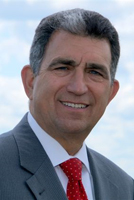
Bill Magnarelli
House · District 129
|
D |
Strong +
|
100% | 27 |
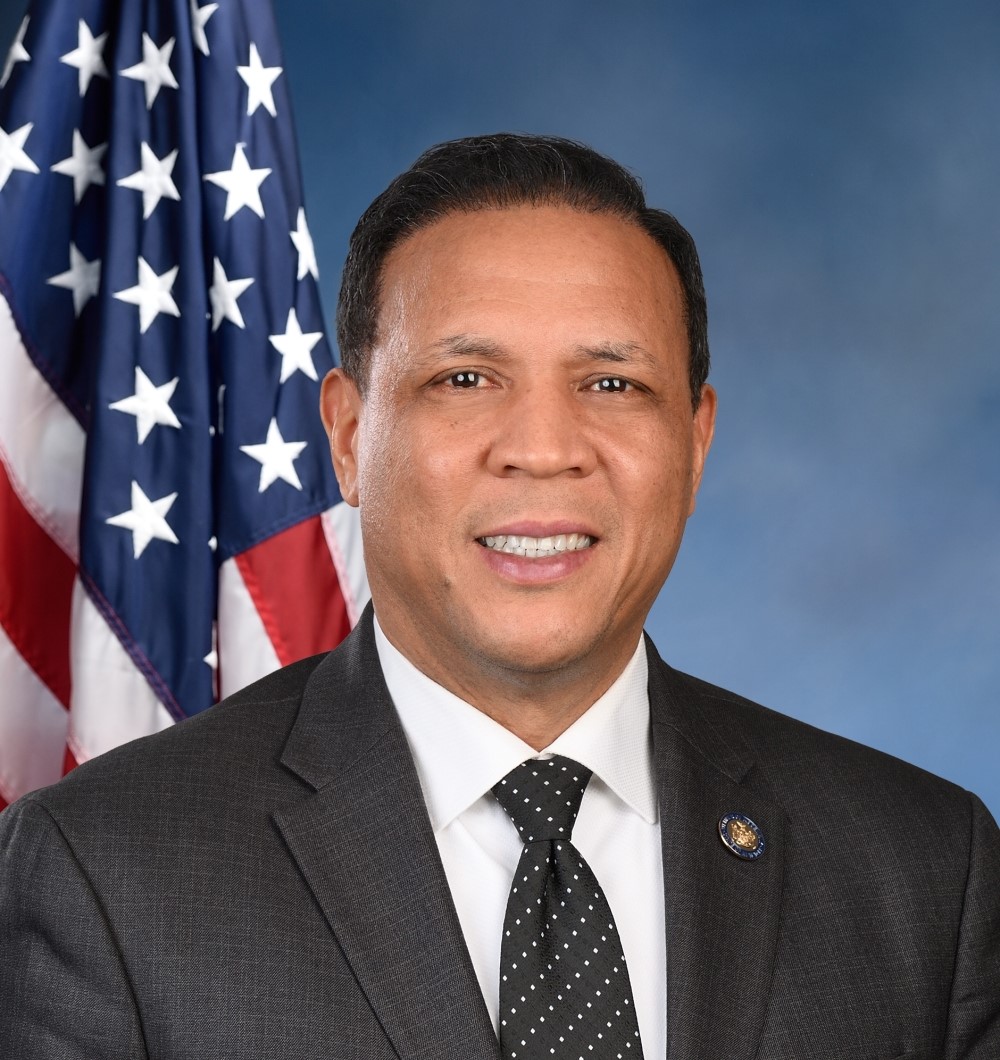
George Alvarez
House · District 78
|
D |
Strong +
|
100% | 27 |
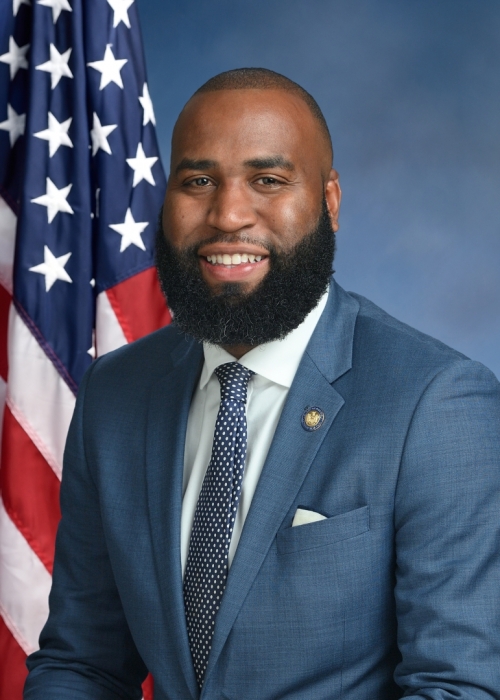
Brian Cunningham
House · District 43
|
D |
Strong +
|
100% | 25 |
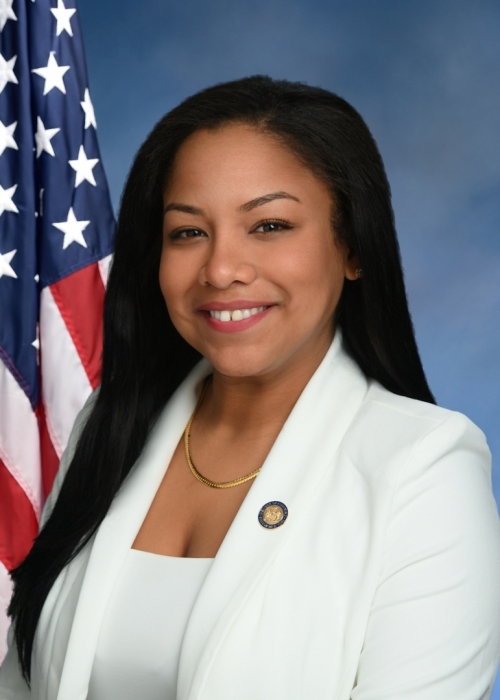
Amanda Septimo
House · District 84
|
D |
Strong +
|
100% | 24 |
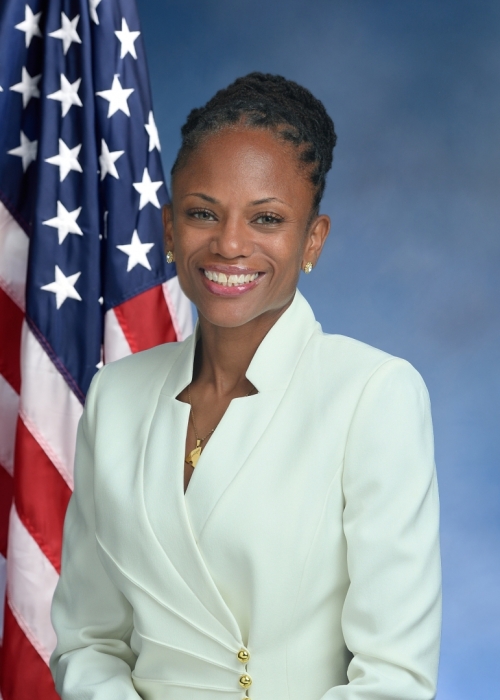
Monique Chandler-Waterman
House · District 58
|
D |
Strong +
|
100% | 24 |

Chris Tague
House · District 102
|
R |
Strong −
|
4% | 28 |

Dave DiPietro
House · District 147
|
R |
Strong −
|
4% | 28 |

Chris Friend
House · District 124
|
R |
Strong −
|
4% | 26 |
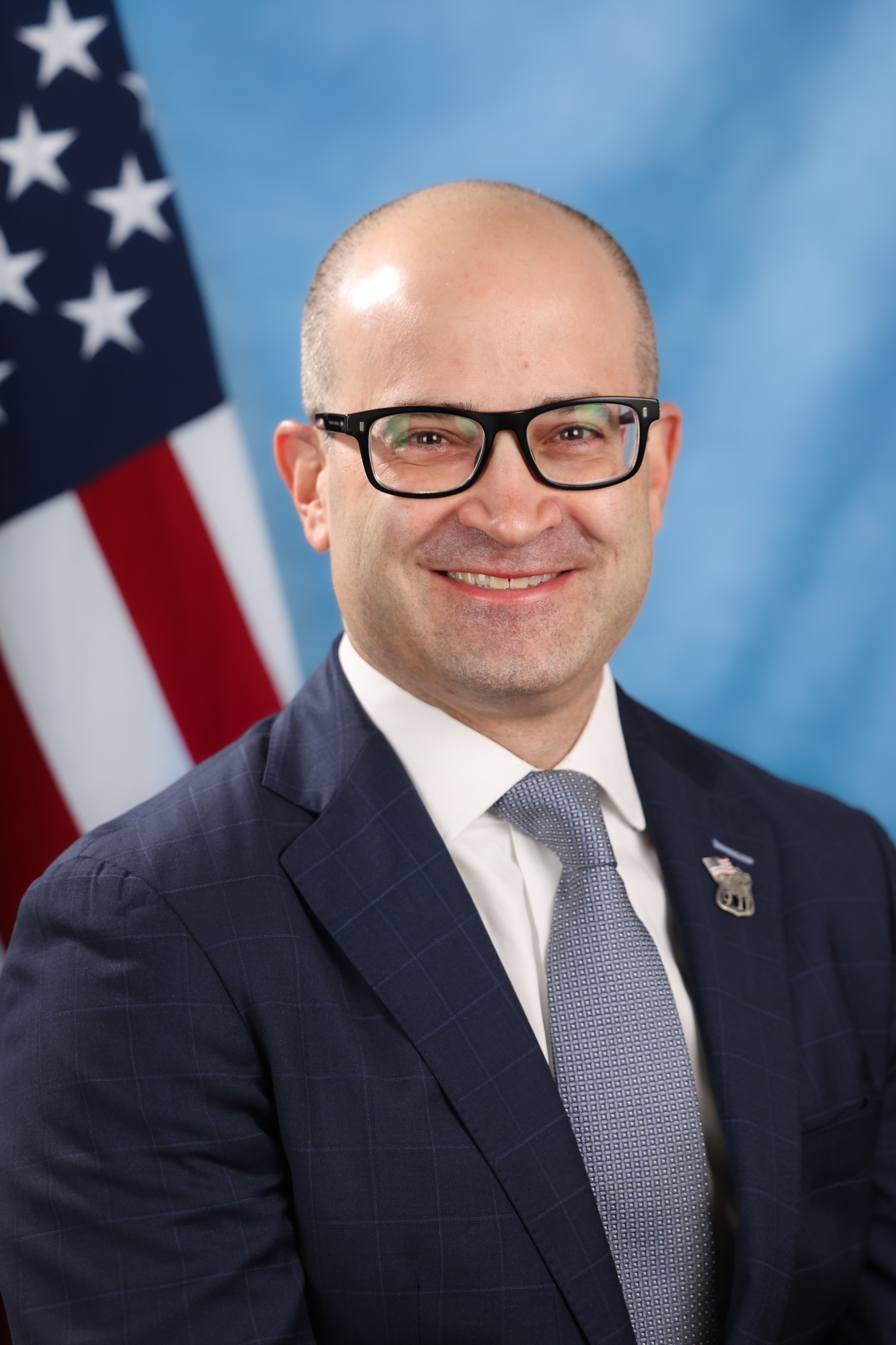
Ed Ra
House · District 19
|
R |
Strong −
|
7% | 28 |
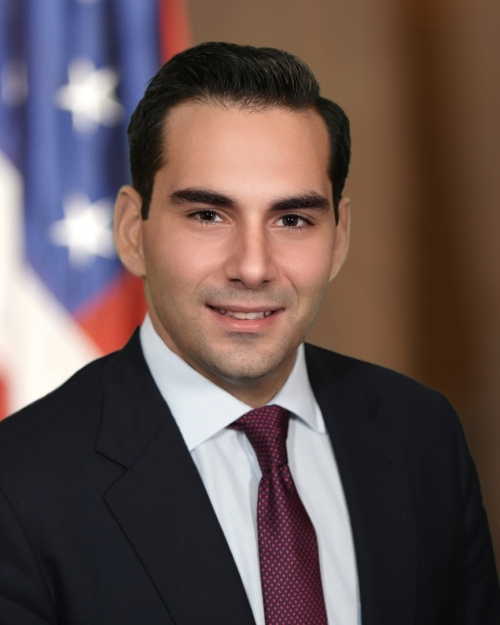
Jarett Gandolfo
House · District 7
|
R |
Strong −
|
7% | 28 |
Showing 1,171–1,180 of 1,570
bills
All criminal justice bills
S 846: Relates to testimonies in parole hearings
S 38: Relates to crimes against public trust by state officers
Topics
✓ Budget & TaxesSupports Budget & TaxesRequires repayment of salary for convicted officers, promoting fiscal accountability in state budget management by preventing misuse of public funds.
✓ Criminal JusticeSupports Criminal JusticeRequires salary suspension and repayment for state officers convicted of crimes against public trust, enhancing accountability in criminal justice system.
A 2254: Relates to the sentencing requirements for the offenses of hindering prosecution and conspiracy
Sub-Topics
Sentencing
S 3872: Relates to the availability of certain benefits to exonerees; repealer
Sub-Topics
Victims' Rights
K 294: Memorializing Governor Kathy Hochul to proclaim April 2025, as Second Chance Month in the State of New York
Sub-Topics
Probation & Parole
S 7509: Creates a temporary state commission to study and investigate issues affecting reentry of incarcerated individuals released from correctional facilities; appropriation
Topics
✓ Budget & TaxesSupports Budget & TaxesBill appropriates $250,000 for a commission study, directly funding a government program under fiscal management and state budget allocation.
✓ Criminal JusticeSupports Criminal JusticeCreates commission to study reentry barriers for formerly incarcerated individuals with $250k funding, directly advancing criminal justice reform goals to reduce recidivism and improve rehabilitation pathways.
Sub-Topics
Probation & Parole
S 564: Relates to special restrictions on campaign contributions for district attorney candidates
Sub-Topics
Courts
S 6324: Relates to the court's consideration of the existence of extraordinary circumstances and significant physical injury in determining whether to remove adolescent offenders to family court
S 2209: Relates to removing the local share requirements associated with increasing the age of juvenile jurisdiction
Topics
✓ Budget & TaxesSupports Budget & TaxesEliminates local cost-sharing for juvenile jurisdiction, reducing fiscal burden on counties/NYC and promoting fiscal responsibility.
✓ Criminal JusticeSupports Criminal JusticeRemoves financial barrier for counties to implement juvenile jurisdiction reform under 2017 law, aligning with criminal justice reform goals by eliminating local cost obligations.
Sub-Topics
Juvenile Justice