Issue · Criminal Justice

Criminal Justice (Drug Policy)

Every criminal justice bill, vote, and legislator stance in New York, automatically classified by Maddy, our AI policy reader.

Total bills
157
2025 Regular Session
Top supporter
James Sanders
90% support rate
Top opponent
Steve Rhoads
0% support rate
Ranked legislators
10
5 support · 5 oppose
Key legislators

Who's moving drug policy in New York

Legislators moving drug policy in New York
Legislator Party Stance Support rate Decisive votes
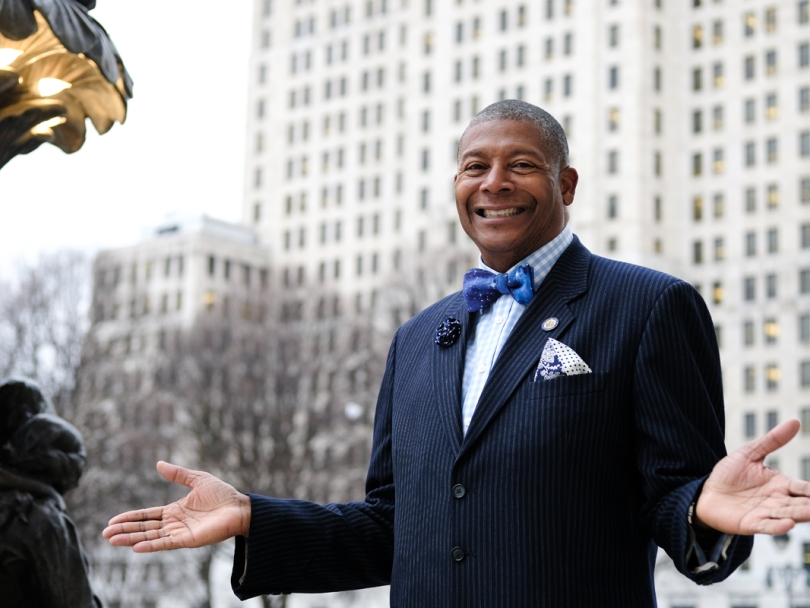
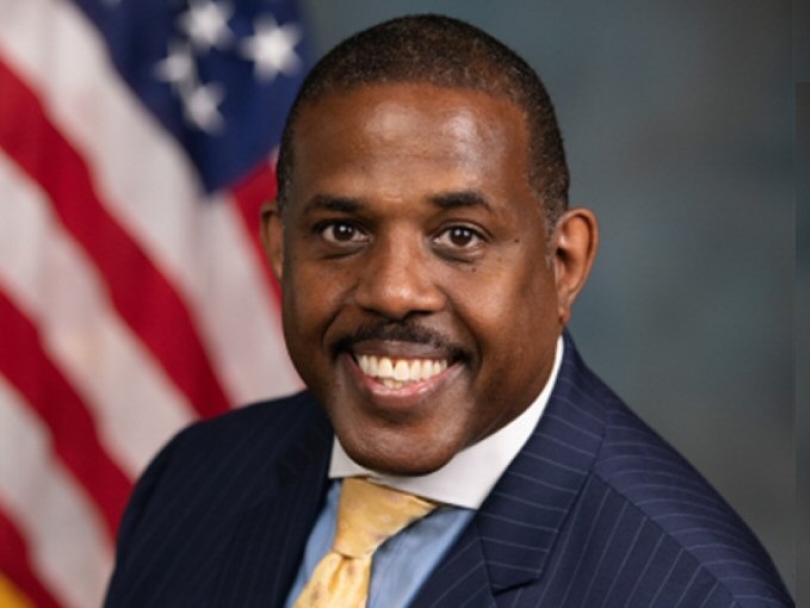
James Sanders
James Sanders Senate · District 10
D
Strong +
90% 10
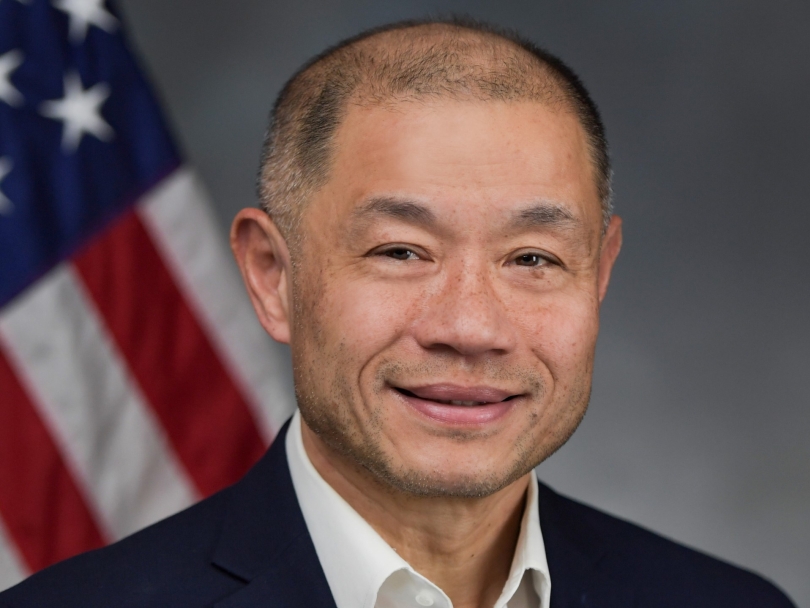
John Liu
John Liu Senate · District 16
D
Strong +
88% 16
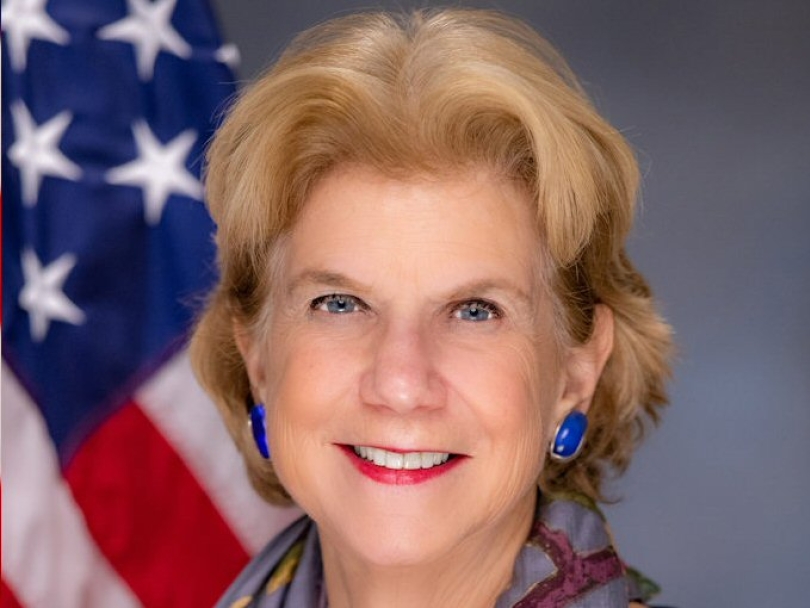
Shelley Mayer
Shelley Mayer Senate · District 37
D
Strong +
88% 16
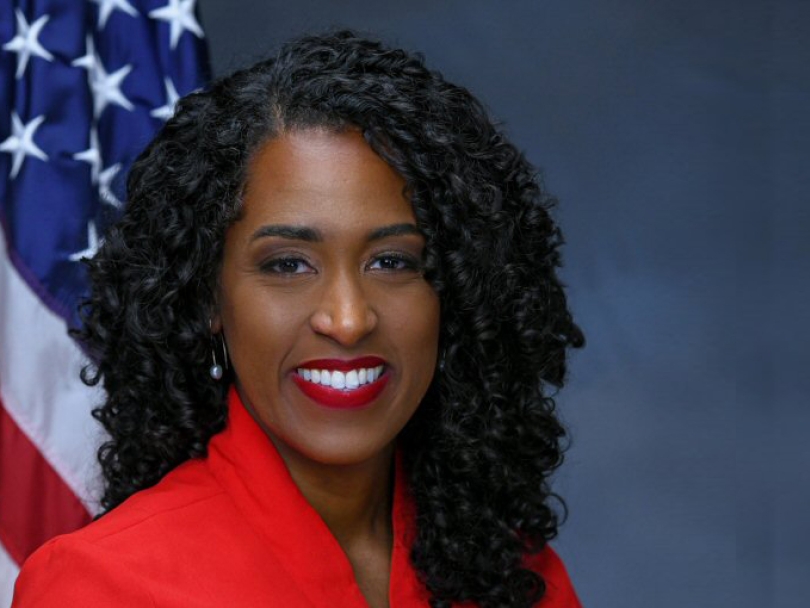
Samra Brouk
Samra Brouk Senate · District 55
D
Strong +
88% 8
Kevin Parker
Kevin Parker Senate · District 21
D
Strong +
87% 15
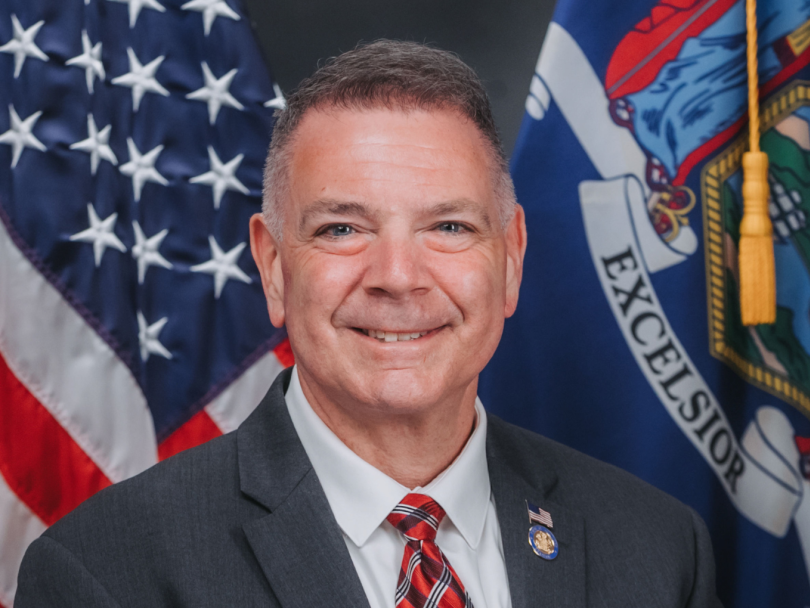
Steve Rhoads
Steve Rhoads Senate · District 5
R
Strong −
0% 14
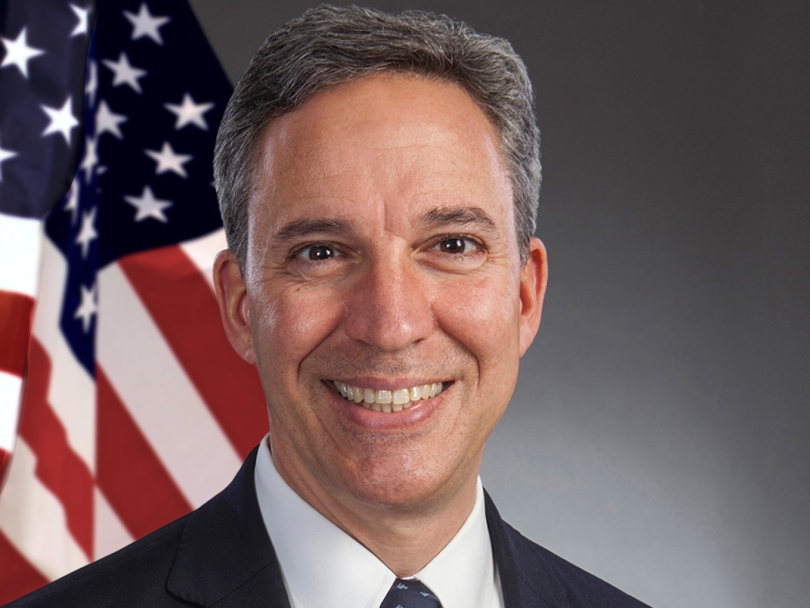
Jack Martins
Jack Martins Senate · District 7
R
Strong −
0% 13
Patricia Canzoneri-Fitzpatrick
Patricia Canzoneri-Fitzpatrick Senate · District 9
R
Strong −
0% 11
Mario Mattera
Mario Mattera Senate · District 2
R
Strong −
9% 11
Dean Murray
Dean Murray Senate · District 3
R
Strong −
11% 18
Showing 91–100 of 157 bills

All criminal justice bills

in committee · New York · Senate Jan 7, 2026

S 4459: Relates to adding W-18 to the schedule of controlled substances

This bill adds W-18 (a specific synthetic compound) to Schedule I of the public health law, classifying it as a controlled substance. It directly affects anyone possessing, distributing, or manufacturing W-18, as it would now be subject to the same legal restrictions as other Schedule I drugs. The key mechanism is a technical amendment to Schedule I, inserting W-18's chemical name as a new listed substance under the law. This is a procedural change to the controlled substances schedule with no new penalties or enforcement mechanisms.
Sub-Topics Drug Policy
in committee · New York · Senate Jan 7, 2026

S 5443: Relates to unlawful possession or sale of imitation drug paraphernalia

Establishes the crime of unlawful possession or sale of imitation drug paraphernalia when such person knowingly possesses, purchases, delivers, sells, or possesses with intent to sell or deliver any punch, die, plate, stone, pill press, tableting machine, encapsulating machine or any other equipment in order to print, imprint, or reproduce the trademark, trade name or other identifying mark, imprint or device of another or any likeness of any of the foregoing upon any substance or container or labeling thereof knowing, intending, or having reasonable cause to believe that it will be used to manufacture an imitation drug.
Sub-Topics Drug Policy
in committee · New York · Assembly Jan 7, 2026

A 4092: Establishes the crime of homicide by sale of an opiate controlled substance

This bill creates a new class A-1 felony offense for unlawfully selling or transporting an opiate controlled substance (as defined by public health law) that causes another person's death. It directly affects individuals who sell or transport opiates (like heroin or fentanyl) when such actions result in fatalities. The law includes a limited defense if the defendant jointly used the substance with the deceased for mutual consumption. The offense carries the highest felony penalty under New York law, with the bill named "Laree's Law" in recognition of opioid-related deaths.
in committee · New York · Senate Jan 7, 2026

S 3934: Provides that a fentanyl analogue shall be deemed to be a schedule I opiate

This bill (S 3934) defines "fentanyl analogue" as any synthetic opioid structurally similar to fentanyl through specific chemical modifications (e.g., changes to its ring structures or groups). It classifies all such analogues as Schedule I drugs under New York's public health law, treating them like the most strictly controlled narcotics. The law also removes the requirement for individuals to know a substance's chemical structure to be charged with possession or sale of these analogues. Exceptions include FDA-approved medications and substances used under investigational exemptions.
Sub-Topics Drug Policy
in committee · New York · Assembly Jan 7, 2026

A 7720: Makes the possession of certain amounts of a controlled substance a violation

This bill (A 7720) changes state law to downgrade the offense of possessing certain amounts of a controlled substance from a class A misdemeanor to a simple violation. It directly affects individuals who possess such substances, removing criminal penalties like jail time or fines for this specific offense. Key provisions include two exceptions: it does not apply to small leftover amounts in syringes/needles, or to possession discovered while seeking emergency medical care for an overdose or life-threatening emergency. The bill is pending legislative action and would take effect 90 days after enactment.
failed · New York · Assembly May 18, 2026

A 6513: Relates to the establishment and operations of a dedicated opioid rehabilitation facility and the diversion of certain criminal defendants to such facility

Provides for the establishment and operations of a dedicated opioid rehabilitation facility and the personal needs allowance for residents of a dedicated opioid rehabilitation facility; relates to the diversion of certain defendants to a mandatory opioid rehabilitation facility; provides for the establishment of a dedicated opioid rehabilitation facility and the provision of corrections officers to such facilities.
Sub-Topics Drug Policy
in committee · New York · Senate Jan 7, 2026

S 152: Relates to consecutive terms of imprisonment

Provides that when a person is convicted of two or more felony counts and at least one of which is an offense defined in article 265 of the penal law involving the possession or use of an illegal firearm, rifle or shotgun, the sentences must run consecutively.
failed · New York · Assembly Jan 7, 2026

A 4775: Establishes the class B felony of criminal sale of a controlled substance upon the grounds of a drug or alcohol treatment center

Bill A 4775 establishes a new Class B felony called "criminal sale of a controlled substance upon the grounds of a drug or alcohol treatment center." This bill makes it a more serious offense for individuals who knowingly and unlawfully sell controlled substances within or near facilities providing chemical dependence services or methadone clinics. The "grounds" are defined to include the treatment center's property and public areas, such as sidewalks, streets, and parking lots, within 1,000 feet of the facility. A person is presumed to have knowledge of being near such a center if proper notice is visibly posted.
Sub-Topics Drug Policy
in committee · New York · Assembly Jan 7, 2026

A 6554: Relates to funds received pursuant to a New York opioid settlement sharing agreement

This bill requires New York state agencies receiving opioid settlement funds to submit annual public reports detailing how these funds are spent. The reports must include baseline funding data, specific recipient information (including program details and populations served), the criteria for awarding funds, and evidence-based analysis of program effectiveness in reducing substance use disorders. It also prohibits government entities from pursuing legal claims against companies released under the statewide opioid settlement agreement after June 2021. All reports must be published as a public dashboard on government websites by November 1st each year.
signed · New York · Assembly Dec 19, 2025

A 7038: Requires rates paid for rehabilitation and opioid treatment be pursuant to certain fee schedules published by the office of addiction services and supports

Requires rates paid for rehabilitation and opioid treatment be pursuant to certain fee schedules published by the office of addiction services and supports.
Showing 91 to 100 of 157 bills
Previous 1 … 9 10 11 … 16 Next