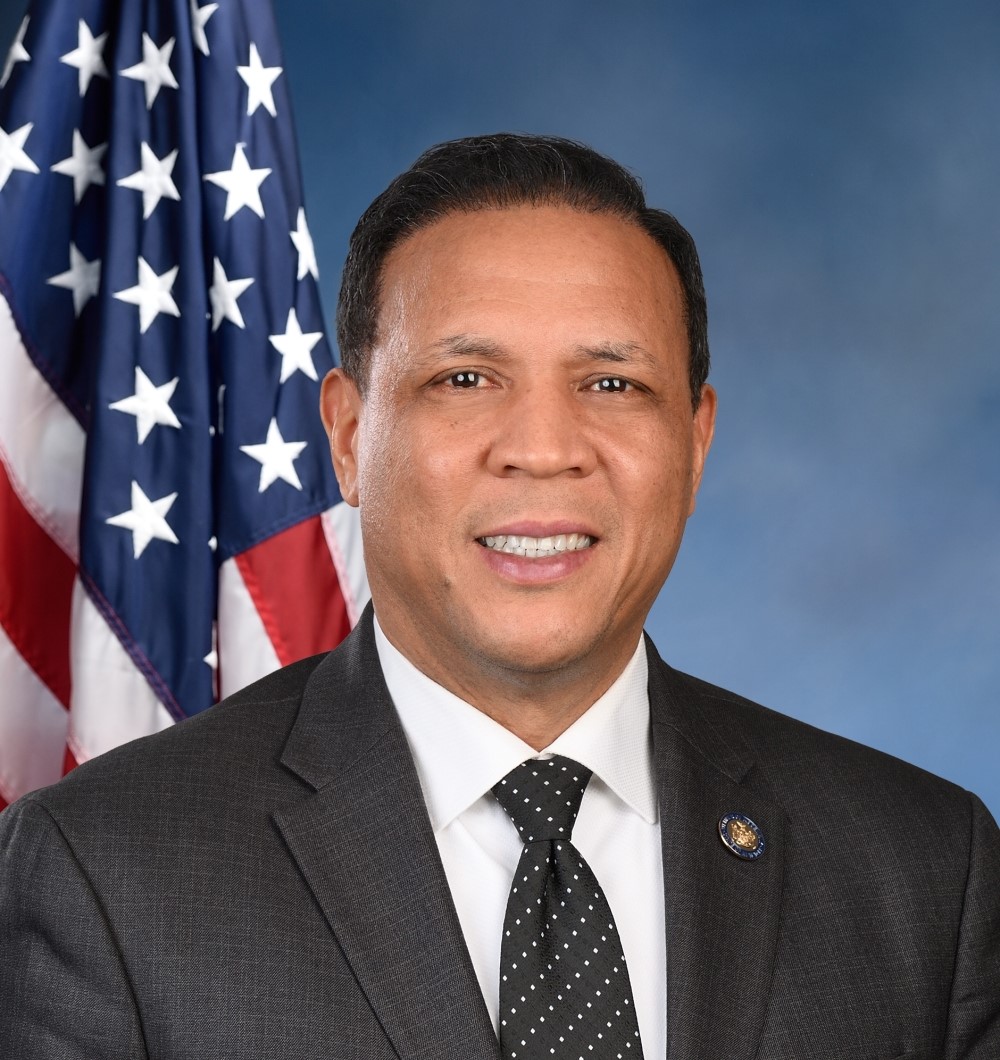
This bill authorizes the city of Ithaca to implement a demonstration program using speed cameras in school zones to enforce speed limits and hold vehicle owners financially responsible for violations. The program would allow the city to install photo monitoring systems in up to twelve school zones, with strict rules requiring annual calibration, operator training, and advance public signage. Images captured by the cameras would generally not identify drivers or passengers and would be destroyed after legal cases are resolved, with limited exceptions for law enforcement investigations. The authorization for this demonstration program would expire on December 31, 2030.
Prohibits the use of restraints on and the use of force against incarcerated individuals during labor and incarcerated individuals who have experienced different pregnancy outcomes, absent extraordinary circumstances, and on pregnant and post-pregnancy persons during a custodial interrogation; provides for certain exceptions for restraints to be used and in such case limits the use to wrist restraints.
This bill amends New York's criminal procedure law to clarify how courts assess whether a defendant has the mental capacity to stand trial. It requires psychiatric examiners to specifically evaluate whether "restoration services" (such as medication support, competency training, or symptom management) could reasonably restore a defendant's capacity within a set timeframe, and include this assessment in their reports. The bill directly affects defendants in criminal cases who may lack mental capacity due to illness or disability, ensuring their evaluation process considers potential treatment pathways. Key provisions define "restoration services" and mandate that examiners' reports detail the feasibility of such services before a court decides on next steps.
Provides that a lodging facility that fails to comply with certain requirements for providing information concerning services for human trafficking victims shall be liable for a civil penalty of five hundred dollars for a first offense and one thousand dollars for each subsequent offense; provides for concurrent enforcement by the director or commissioner of a municipal consumer affairs office or by the town attorney, city corporation counsel, or other lawful designee of a municipality.
Establishes the chief administrator of the courts shall submit annually a report on the administration, function and effectiveness of the Drug Treatment Court Program during the preceding year.
This bill expands the legal definition of a "victim of a sexual offense" in New York State to explicitly include individuals harmed by the unlawful dissemination or publication of intimate images. It amends Section 108 of the Executive Law to add this new category to the existing definition, which previously covered offenses under specific Penal Law sections. The change directly affects people whose intimate images are shared without consent, ensuring they are recognized under the same legal framework as victims of other sexual offenses. This is a definitional update, not a new criminal penalty, and applies to all cases falling under the revised definition.
Allows the removal of criminal actions to a mental health court in an adjoining county and provides for the reversion to the original court of record where the defendant fails to comply with or complete the mental health court program.
Requires that following the acquittal after trial or the sentencing of any defendant for a felony, the district attorney, or their designee, shall provide by mail, electronically, or by any other reasonable and secure means of written communication a written summary of the disposition of such felony to any victim who was not present at the time that the defendant was sentenced or acquitted after trial.
This bill establishes legal confidentiality for conversations between police officers and peer support specialists during official counseling sessions. It directly affects law enforcement officers seeking mental health support and the peer support specialists who provide it. Key provisions prohibit disclosing session details unless there's a specific threat of suicide, self-harm, violence, or child abuse - allowing limited disclosure only to prevent harm. Officers must receive written notice before sessions explaining these confidentiality rules and exceptions. The law ensures peer support communications remain private except in clearly defined safety emergencies.
Requires the timely disclosure of video footage or audio recordings related to the death of incarcerated individuals involving correction officers or peace officers to the attorney general's office of special investigations (Part A); relates to establishing comprehensive camera coverage for covered facilities and covered vehicles; repeals certain provisions of the correction law relating to requiring institutions and local correctional facilities to adhere to certain standards regarding the camera coverage of incarcerated individuals and detainees, and access to such camera recordings (Part B); clarifies standards for next of kin notifications where an incarcerated individual dies in custody (Part C); relates to the time within which the state commission of correction shall issue a report to the governor, the temporary president of the senate and the speaker of the assembly of the findings of a study on deaths in state correctional facilities within the state of New York (Part D); provides access to microscopic slides upon request for certain autopsies (Part E); intentionally omitted (Part F); relates to data on substantiated, unfounded, and unsubstantiated allegations received by the office of special investigations required to be collected and reported by the commissioner of corrections and community supervision (Part G); relates to the state commission of correction; provides for the manner of confirmation of such members; relates to the effectiveness of such provisions (Part H); authorizes the correctional association to visit correctional facilities with twenty-four hours advance notice and grants the correctional association access to certain records and information of correctional facilities (Part I); provides that with respect to state action brought by anyone to recover damages for physical, psychological, or other injury or condition suffered while in state custody, the time in which such action must commence shall be extended to two years after such person is released from such custody (Part J).