





Issue · Criminal Justice

Criminal Justice

Every criminal justice bill, vote, and legislator stance in New York, automatically classified by Maddy, our AI policy reader.

Total bills
42
2025 Regular Session
Top supporter
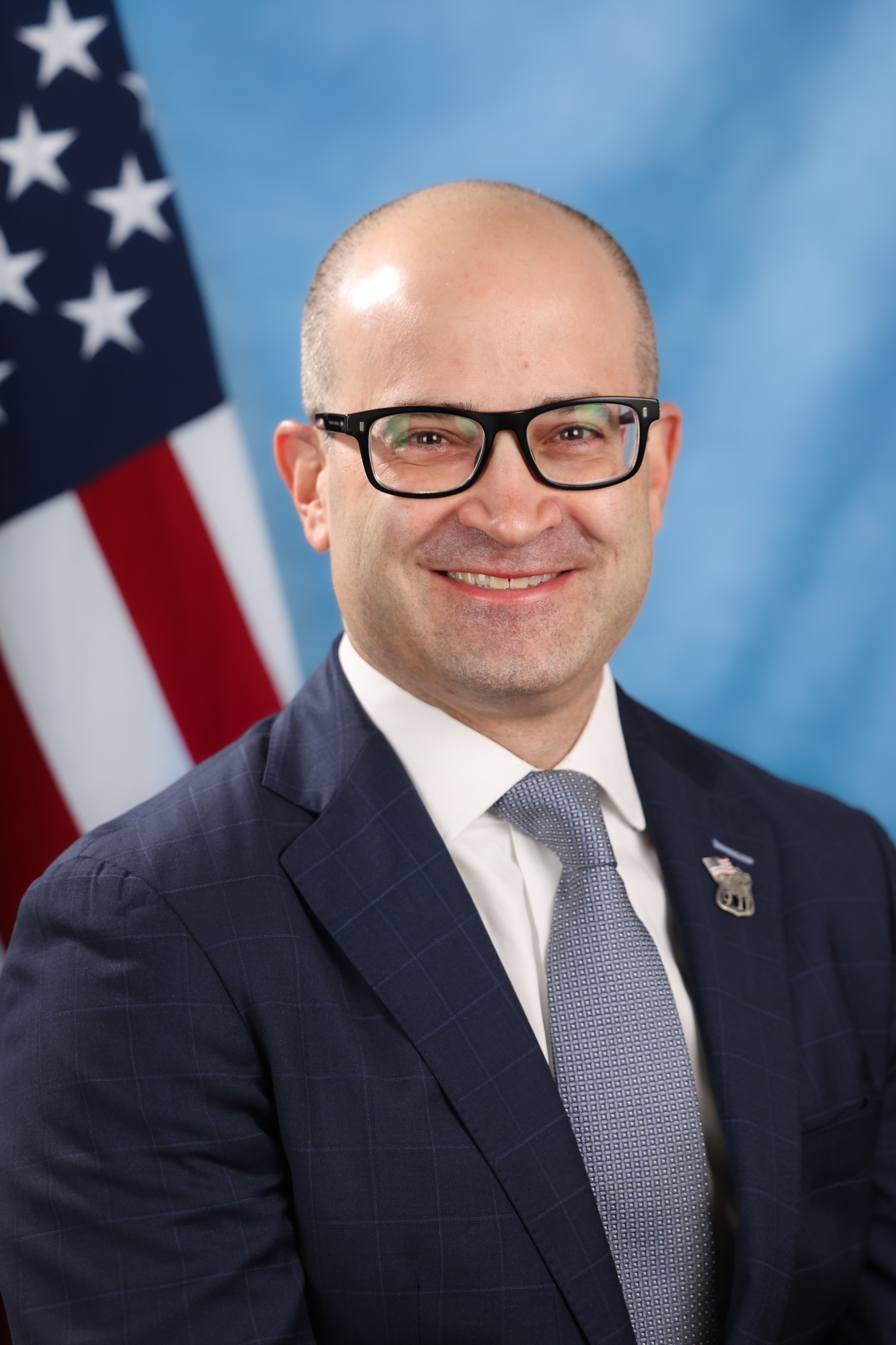
Bill Magnarelli
100% support rate
Top opponent
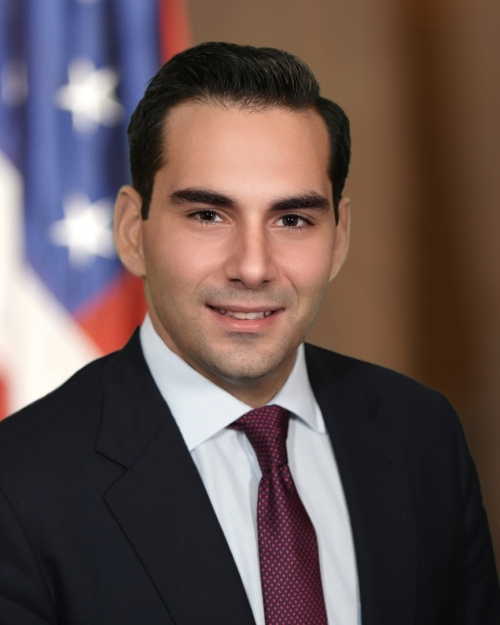
Chris Tague
4% support rate
Ranked legislators
10
5 support · 5 oppose
Key legislators

Who's moving criminal justice in New York

Legislators moving criminal justice in New York
Legislator Party Stance Support rate Decisive votes
Bill Magnarelli
Bill Magnarelli House · District 129
D
Strong +
100% 27
George Alvarez
George Alvarez House · District 78
D
Strong +
100% 27
Brian Cunningham
Brian Cunningham House · District 43
D
Strong +
100% 25
Amanda Septimo
Amanda Septimo House · District 84
D
Strong +
100% 24
Monique Chandler-Waterman
Monique Chandler-Waterman House · District 58
D
Strong +
100% 24
Chris Tague
Chris Tague House · District 102
R
Strong −
4% 28
Dave DiPietro
Dave DiPietro House · District 147
R
Strong −
4% 28
Chris Friend
Chris Friend House · District 124
R
Strong −
4% 26
Ed Ra
Ed Ra House · District 19
R
Strong −
7% 28
Jarett Gandolfo
Jarett Gandolfo House · District 7
R
Strong −
7% 28
Showing 41–42 of 42 bills

All criminal justice bills

passed · New York · Assembly Jan 12, 2026

A 867: Includes certain use of Bluetooth technology to follow a person in the crime of stalking in the fourth degree

This bill amends New York's stalking law to explicitly include unauthorized Bluetooth tracking as a form of "following" in the crime of stalking in the fourth degree. It directly affects individuals who use Bluetooth technology to secretly track another person's location without permission. The key change adds Bluetooth (along with GPS) to the legal definition of "following," making such unauthorized tracking a punishable offense under existing stalking statutes. Stalking in the fourth degree remains a class B misdemeanor under this updated law.
passed · New York · Assembly Jan 12, 2026

A 1325: Requires a reading proficiency level assessment and dyslexia screening for certain incarcerated individuals

Requires all incarcerated individuals who do not have a high-school diploma or its equivalent to receive a reading proficiency level assessment and dyslexia screening upon intake by the department of corrections; requires for such individuals who perform below a certain proficiency level to be provided with intervention services that are evidence-based, effective and consistent with science-based research specifically tailored to addressing dyslexia.
Showing 41 to 42 of 42 bills
Previous 1 … 3 4 5