

Issue · Budget & Taxes
Budget & Taxes (Audits & Accountability)
Every budget & taxes bill, vote, and legislator stance in New York, automatically classified by Maddy, our AI policy reader.
Total bills
132
2025 Regular Session
Top supporter
Leroy Comrie
100% support rate
Top opponent
George Borrello
33% support rate
Ranked legislators
9
5 support · 4 oppose
Key legislators
Who's moving audits & accountability in New York
| Legislator | Party | Stance | Support rate | Votes |
|---|---|---|---|---|
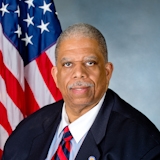
Leroy Comrie
Senate · District 14
|
D |
Strong +
|
100% | 3 |
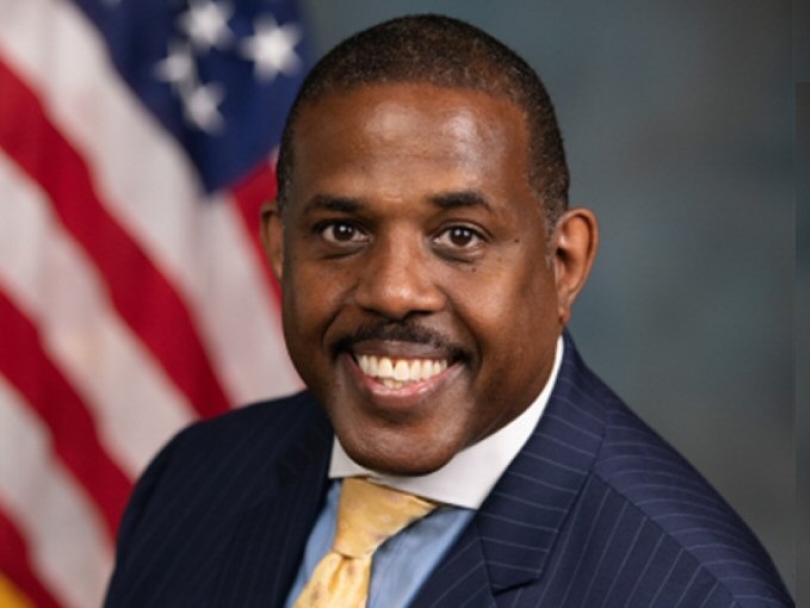
Kevin Parker
Senate · District 21
|
D |
Support
|
75% | 4 |
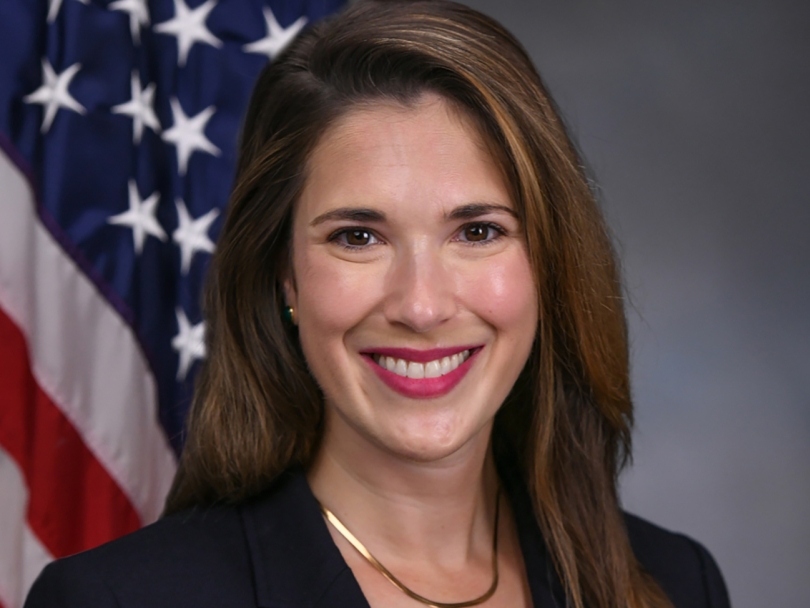
Michelle Hinchey
Senate · District 41
|
D |
Support
|
75% | 4 |
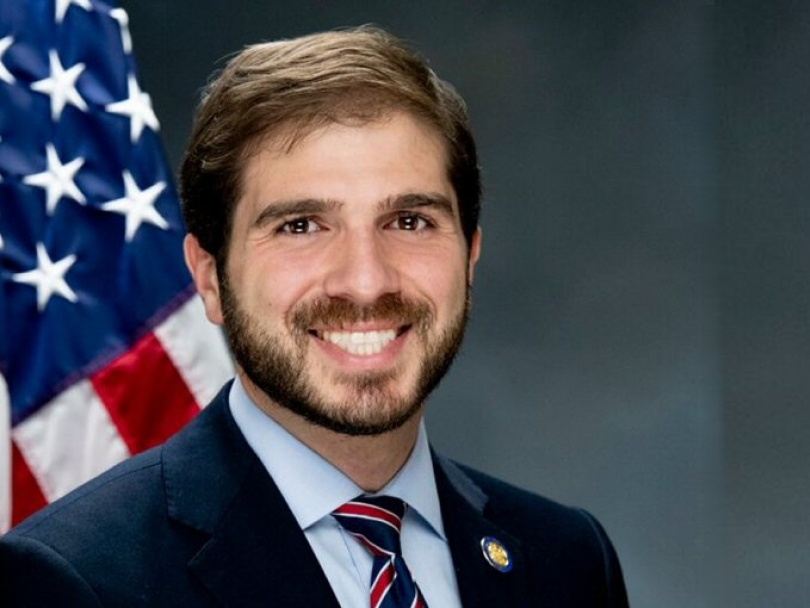
Andrew Gounardes
Senate · District 26
|
D |
Support
|
67% | 3 |
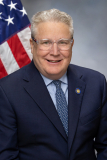
Bill Weber
Senate · District 38
|
R |
Support
|
67% | 3 |
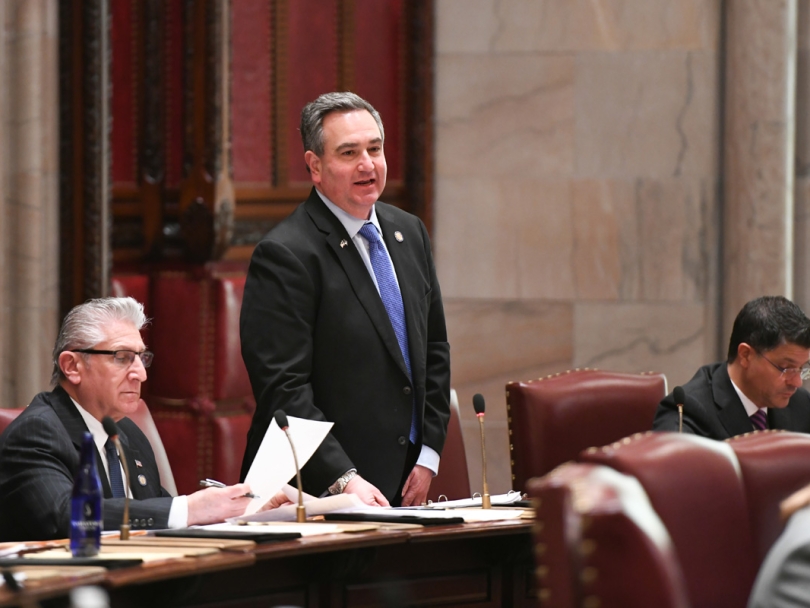
George Borrello
Senate · District 57
|
R |
Oppose
|
33% | 3 |
Joe Griffo
Senate · District 53
|
R |
Oppose
|
33% | 3 |
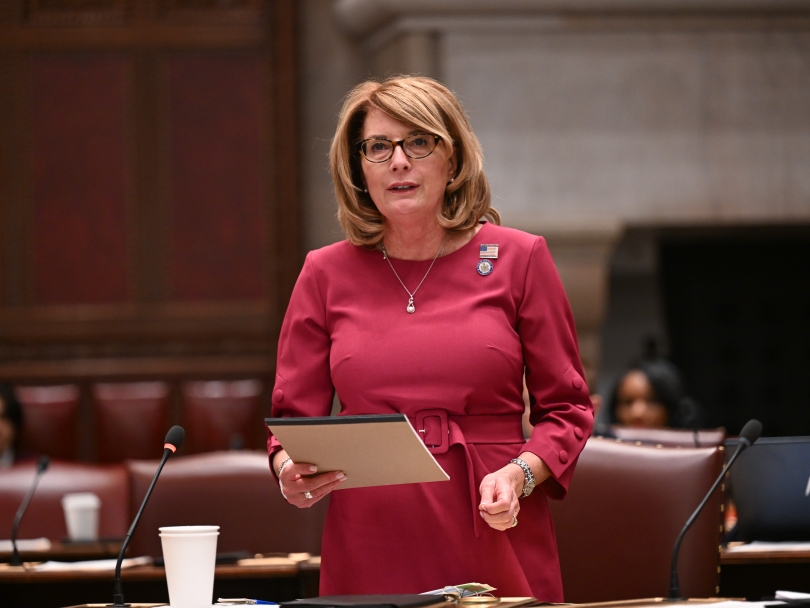
Pam Helming
Senate · District 54
|
R |
Oppose
|
33% | 3 |
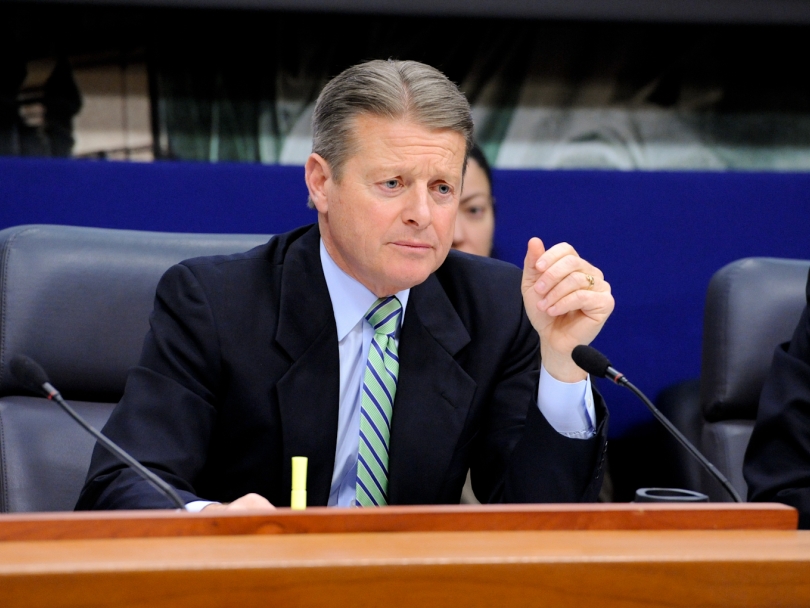
Patrick Gallivan
Senate · District 60
|
R |
Oppose
|
33% | 3 |
Showing 61–70 of 132
bills
All budget & taxes bills
S 2387: Permits persons 65 years of age to enroll in a limited number of state university and city university courses for credit without tuition
Topics
✓ Budget & TaxesSupports Budget & TaxesBill requires state universities to provide free credit courses for seniors, increasing state expenditure on education funding, aligning with public service funding under Budget & Taxes.
✓ EducationSupports EducationExpands higher education access for seniors by enabling tuition-free credit courses, advancing educational opportunity without restricting or defunding.
Sub-Topics
Audits & Accountability
A 1112: Establishes regional minimum hourly base reimbursement rates for home care aides
Topics
✓ Budget & TaxesSupports Budget & TaxesMandates reimbursement rates covering payroll taxes and operational costs, ensuring adequate Medicaid funding for home care providers.
✓ HealthcareSupports HealthcareMandates regional reimbursement rates covering all costs for Medicaid home care aides, ensuring provider sustainability and access to care.
✓ Labor & EmploymentSupports Labor & EmploymentMandates regional minimum reimbursement rates covering base wages, benefits, and operational costs for home care aides, directly advancing fair compensation standards.
S 5563: Allows for the examination of industrial development agencies and not-for-profit corporations by county comptrollers
Sub-Topics
Audits & Accountability
S 4955: Relates to the functions of the Medicaid inspector general with respect to audit and review of medical assistance program funds
Topics
✓ Budget & TaxesSupports Budget & TaxesRequires detailed Medicaid audit protocols promoting fiscal accountability in government spending oversight, aligning with fiscal responsibility indicators.
✓ HealthcareSupports HealthcareImproves Medicaid audit fairness by requiring detailed explanations and considering minor errors, protecting provider access to funds and ensuring efficient program operations.
A 5001: Relates to the cost effectiveness of consultant contracts by state agencies
A 6680: Relates to repealing congestion pricing (Part A); commissioning an independent audit of the metropolitan transportation authority (Part B); and conducting an environmental impact study (Part C)
Topics
✓ Budget & TaxesSupports Budget & TaxesRepeals congestion pricing tax, providing tax relief per bill's Part A
✗ TransportationOpposes TransportationRepeals congestion pricing (a transit funding mechanism), reducing potential revenue for transportation infrastructure without clear funding replacement.
Sub-Topics
Audits & Accountability
S 5617: Provides for state reimbursement for lost tax revenue due to devaluation of land as a result of toxic contamination
A 5098: Establishes the New York state first home savings program to authorize first time home buyers to establish savings accounts to buy their first home
Topics
✓ Budget & TaxesSupports Budget & TaxesCreates tax-advantaged savings accounts with state tax incentives for first-time home buyers, directly providing tax relief to lower/middle-income residents as a fiscal policy.
✓ HousingSupports HousingEstablishes tax-advantaged savings program for first-time home buyers, directly advancing affordable housing access through state-funded incentives.
S 3599: Establishes regional minimum hourly base reimbursement rates for home care aides
Topics
✓ Budget & TaxesSupports Budget & TaxesMandates higher Medicaid reimbursement rates covering all direct care costs, increasing state budget allocations for essential home care services.
✓ HealthcareSupports HealthcareMandates Medicaid reimbursement rates covering all costs for home care aides, ensuring provider sustainability and patient access to services.
✓ Labor & EmploymentSupports Labor & EmploymentMandates Medicaid reimbursement rates covering base wages, benefits, and mandated programs, directly advancing worker compensation standards for home care aides.