Issue · Budget & Taxes

Budget & Taxes

Every budget & taxes bill, vote, and legislator stance in New York, automatically classified by Maddy, our AI policy reader.

Total bills
2,507
2025 Regular Session
Top supporter
Latrice Walker
98% support rate
Top opponent
Sam Pirozzolo
8% support rate
Ranked legislators
10
5 support · 5 oppose
Key legislators

Who's moving budget & taxes in New York

Legislators moving budget & taxes in New York
Legislator Party Stance Support rate Votes
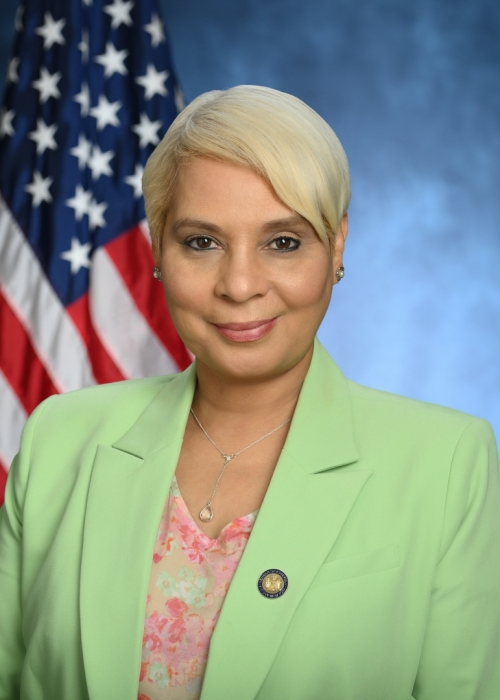
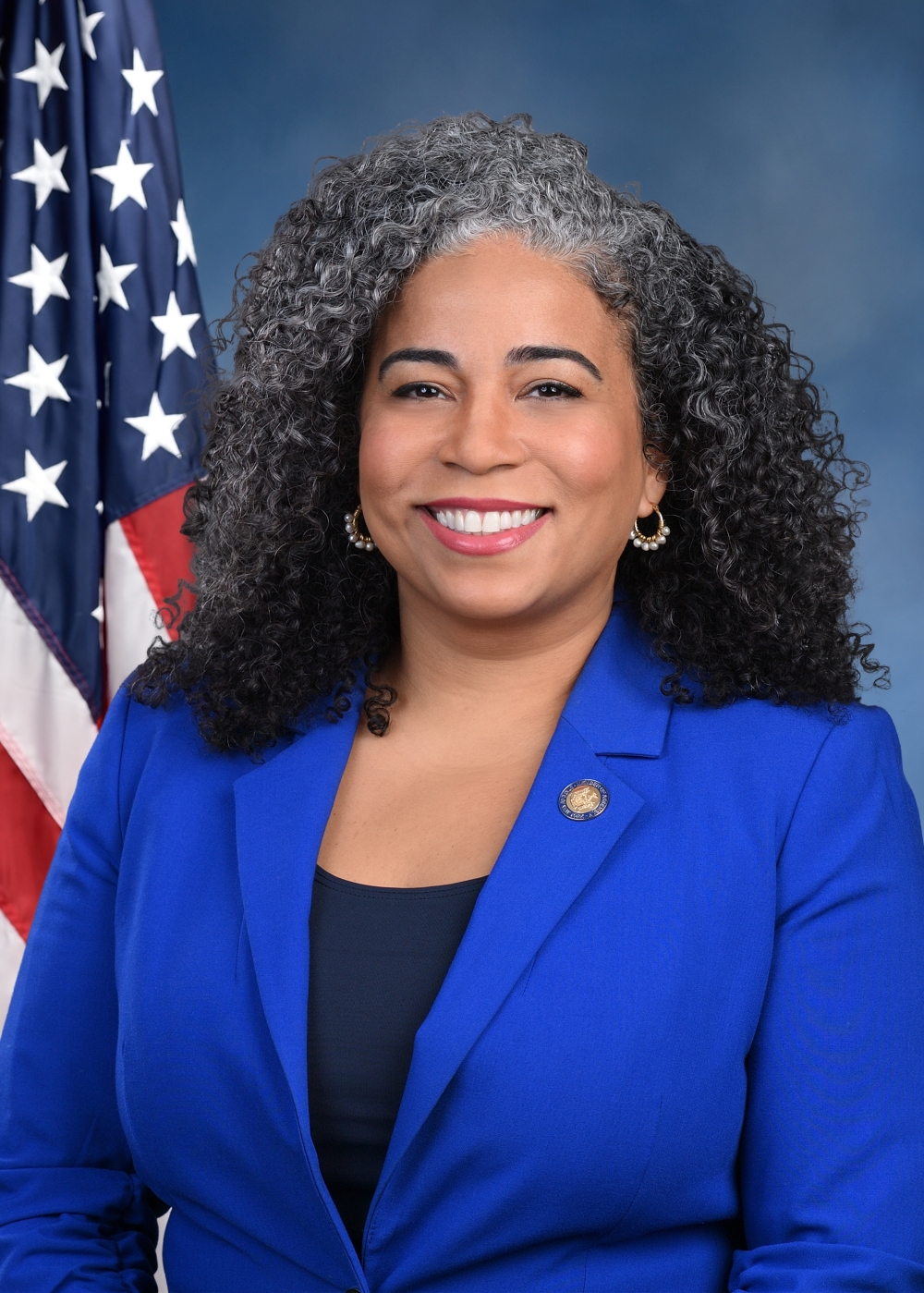
Latrice Walker
Latrice Walker House · District 55
D
Strong +
98% 192
George Alvarez
George Alvarez House · District 78
D
Strong +
98% 177
Maritza Davila
Maritza Davila House · District 53
D
Strong +
97% 167
Keith Powers
Keith Powers House · District 74
D
Strong +
97% 55
Karines Reyes
Karines Reyes House · District 87
D
Strong +
97% 199
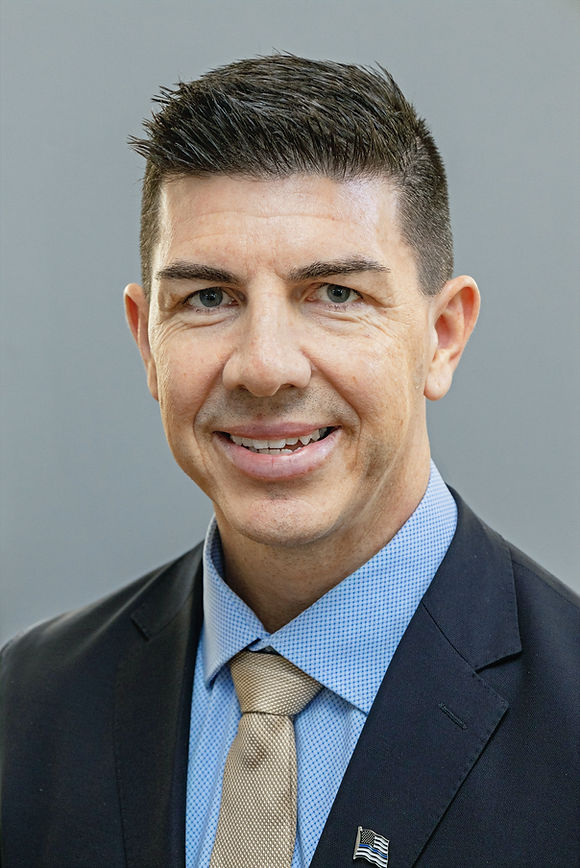
Sam Pirozzolo
Sam Pirozzolo House · District 63
R
Strong −
8% 207
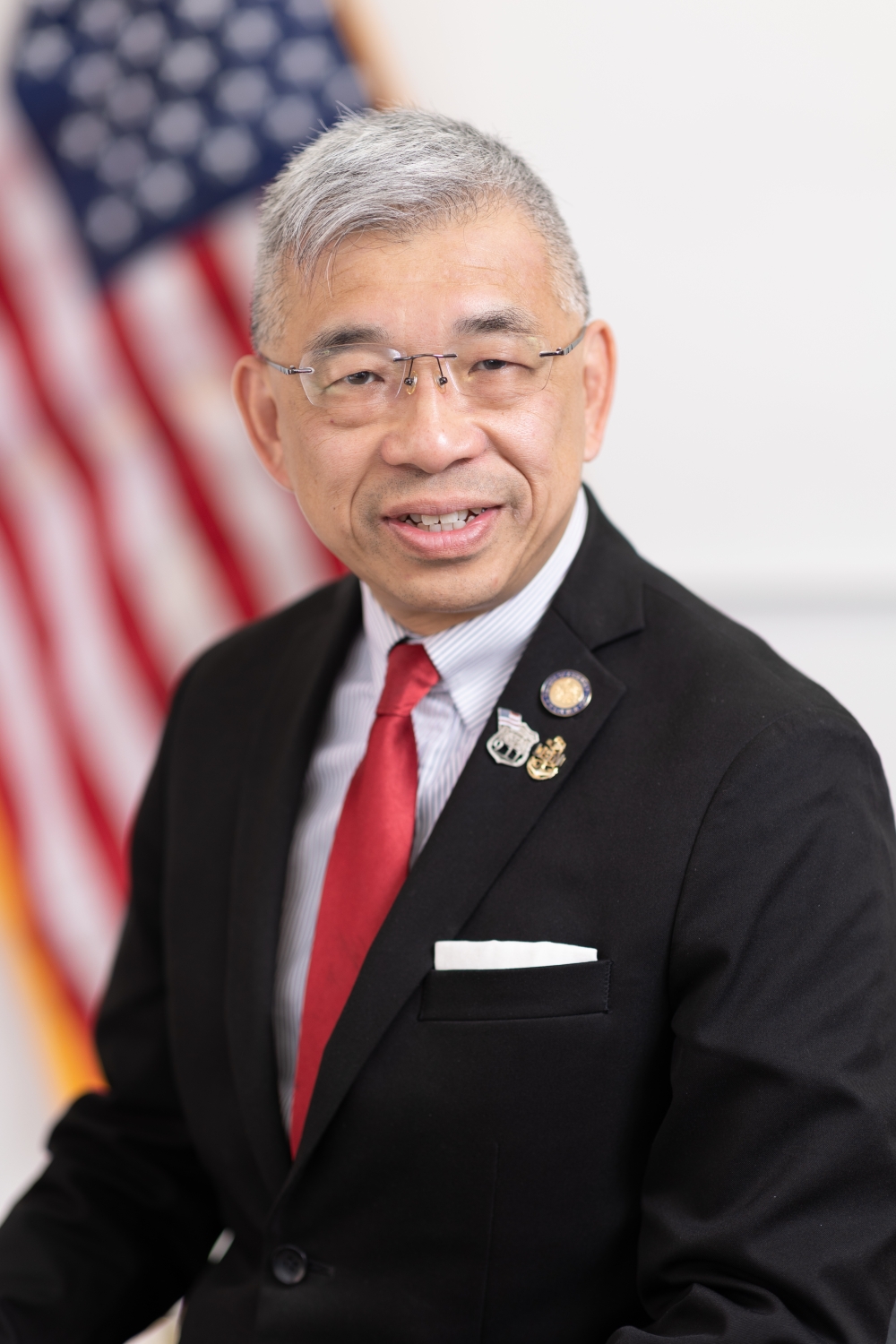
Lester Chang
Lester Chang House · District 49
R
Strong −
11% 206
Pat Chludzinski
Pat Chludzinski House · District 143
R
Strong −
12% 207
Andrew Lanza
Andrew Lanza Senate · District 24
R
Strong −
12% 436
Scott Bendett
Scott Bendett House · District 107
R
Strong −
13% 207
Showing 2,421–2,430 of 2,507 bills

All budget & taxes bills

in committee · New York · Senate Jan 7, 2026

S 4223: Provides for a tax credit for the adoption of household pets from animal shelter or humane society

This bill creates a tax credit for individual taxpayers who adopt household pets from animal shelters or humane societies. It allows a credit of up to $100 per pet (capped at $300 annually for up to three pets) toward the actual adoption cost, effective for tax years beginning January 1, 2026. Taxpayers must provide proof of spaying or neutering to claim the credit. The credit applies only to companion animals like dogs or cats kept for companionship, not for animals kept in violation of local laws.
Sub-Topics Tax Credits
in committee · New York · Assembly Jan 7, 2026

A 297: Expands a certain tax credit for farmers to include the cost of construction of housing for farm workers

This bill expands an existing tax credit for farmers to cover the cost of constructing housing for farm workers. It specifically allows farmers to claim the credit for standard construction materials and labor used to build residential housing occupied by workers employed in their farming operations. The change modifies the tax law to include housing construction under the "eligible costs" for the credit, which previously applied only to equipment and production-related property. This directly affects farmers who build housing for their agricultural workforce in New York. The policy change is a straightforward expansion of an existing tax incentive, with no new eligibility requirements beyond the current credit framework.
in committee · New York · Assembly Jan 7, 2026

A 7647: Directing the state board of real property tax services to conduct a study on real property tax saturation

This bill directs New York's State Board of Real Property Tax Services to study how high rates of tax-exempt property (like parks, nonprofits, or government buildings) impact local communities. The study must examine the percentage of tax-exempt property in each county, focusing on counties with the highest rates, and analyze effects on housing, small businesses, jobs, population, and park land over five years. It also requires the board to propose policy changes to reduce tax burdens on taxable properties and ensure fairer tax distribution. The board must submit a report to state leaders within one year, and the bill expires after two years or once the report is delivered.
Sub-Topics Property Tax
in committee · New York · Senate Jan 7, 2026

S 7262: Relates to creating a retrofit tax credit for owners of buildings containing medical offices that install automatic swinging door opening systems

Creates a 30% retrofit tax credit for owners of commercial or mixed-use buildings containing medical offices that install automatic swinging door opening systems.
in committee · New York · Senate Jan 7, 2026

S 1528: Establishes a tax on carbon-based fuels

S 1528 establishes a tax on carbon-based fuels like coal, natural gas, and petroleum, imposed on fuel distributors and utilities based on carbon dioxide emissions. The tax starts at $35 per ton of carbon dioxide equivalent and increases by $15 annually to a maximum of $185 per ton. Revenue from the tax funds a dedicated "Carbon Dioxide Emissions Fund," with 60% returned as tax credits to low-to-moderate income residents (below 115% of area median income) and 40% allocated to clean energy transition, mass transit, and climate adaptation projects. The bill requires annual reporting by distributors and utilities and mandates public reporting on tax adjustments to address inflation and climate goals.
in committee · New York · Senate Jan 7, 2026

S 1853: Provides a tax deduction for fertility preservation services

This bill would allow individuals to claim a federal tax deduction of up to $1,000 for costs related to fertility preservation services, specifically including the collection, freezing, preservation, and storage of eggs. It directly affects people who pay for these services, such as those undergoing fertility treatments before medical procedures or for personal preservation. The deduction applies to expenses that would otherwise count toward federal adjusted gross income, with the provision taking effect for taxable years beginning January 1, 2025. The bill defines "fertility preservation services" narrowly to cover only egg-related preservation methods.
Sub-Topics Income Tax
in committee · New York · Senate Jan 7, 2026

S 2402: Provides for a tax credit for certain persons relocating to the state to provide or receive reproductive care or gender-affirming care

This bill creates a $500 state tax credit for individuals who permanently relocate to the state to provide or receive reproductive care or gender-affirming care. It applies to healthcare providers moving from states with more restrictive abortion laws or gender-affirming care access, as well as patients (or their parents/guardians) relocating for the same reasons. The credit is available for tax years beginning January 1, 2025, and can be claimed on individual income tax returns. The credit cannot reduce tax liability below zero, but any excess is refundable. The bill defines "healthcare provider" to include licensed physicians, nurses, physician assistants, and pharmacists.
in committee · New York · Senate Jan 7, 2026

S 2348: Provides a tax exemption from sales and compensating use taxes on alternative energy systems

Provides a tax exemption from sales and compensating use taxes on alternative energy systems including alternative energy systems, new Energy Star appliances and tangible personal property used in or on habitable residential and non-residential structures to improve energy efficiency; defines relevant terms; authorizes municipalities to adopt the exemption.
in committee · New York · Senate Jan 7, 2026

S 6342: Establishes the renters' and small homeowners' credit in a city with a population of a million or more

This bill creates a refundable tax credit for renters and small homeowners in New York City (population over 1 million) who meet specific income and residency requirements. It provides credits ranging from $45 to $220 annually based on federal adjusted gross income (e.g., $220 for seniors earning $25,000 or less in 2026) and the number of dependents claimed. Qualifying individuals must reside in the city for six months, file taxes, and not claim rent deductions from family members. The credit can be claimed even if no tax is owed, with amounts increasing for households with dependents. This applies specifically to New York State residents in cities meeting the population threshold.
signed · New York · Assembly May 20, 2025

A 3000: STATE OPERATIONS BUDGET

Bill A 3000, titled the State Operations Budget, appropriates funds for the ongoing operations of state government for the fiscal year beginning April 1, 2025. It allocates new money and reappropriates unspent funds from previous years to support various state agencies and their functions. A key provision allows the budget director to temporarily withhold certain payments if the state projects a general fund imbalance of $2 billion or more. However, specific payments like public assistance, debt service, and those mandated by federal law or court orders are exempt from these potential withholdings. The legislature is also given a period to propose an alternative plan before any withholdings take effect.
Showing 2,421 to 2,430 of 2,507 bills