Issue · Budget & Taxes

Budget & Taxes (State Budget)

Every budget & taxes bill, vote, and legislator stance in New York, automatically classified by Maddy, our AI policy reader.

Total bills
217
2025 Regular Session
Top supporter
Jamaal Bailey
100% support rate
Top opponent
Andrew Lanza
2% support rate
Ranked legislators
10
5 support · 5 oppose
Key legislators

Who's moving state budget in New York

Legislators moving state budget in New York
Legislator Party Stance Support rate Votes
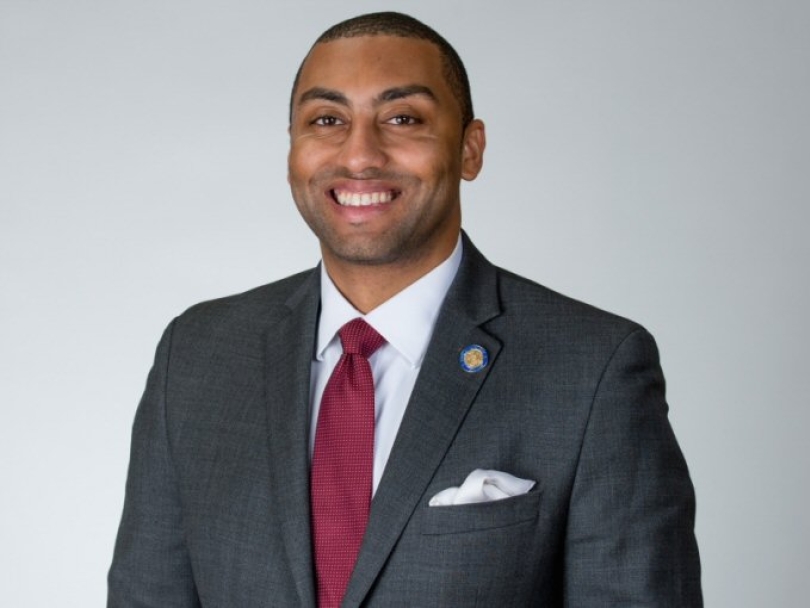
Jamaal Bailey
Jamaal Bailey Senate · District 36
D
Strong +
100% 49
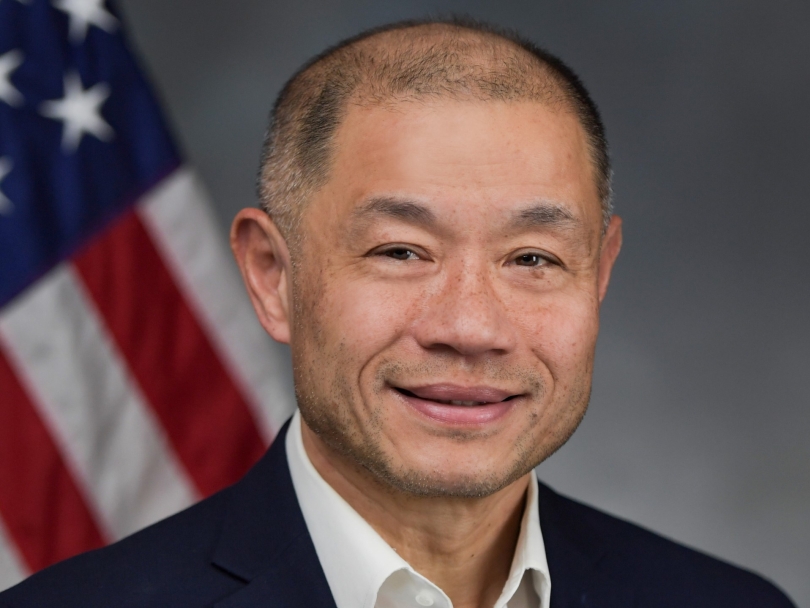
John Liu
John Liu Senate · District 16
D
Strong +
100% 48
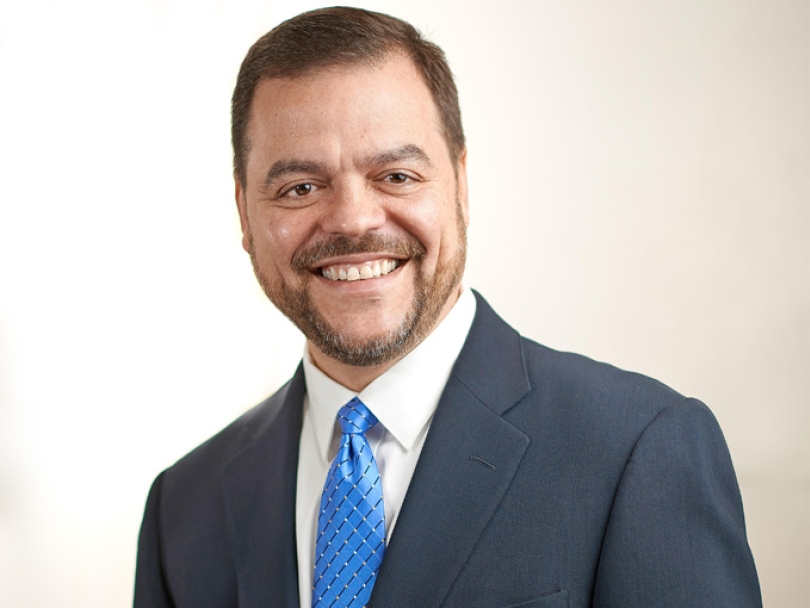
Luis Sepúlveda
Luis Sepúlveda Senate · District 32
D
Strong +
100% 48
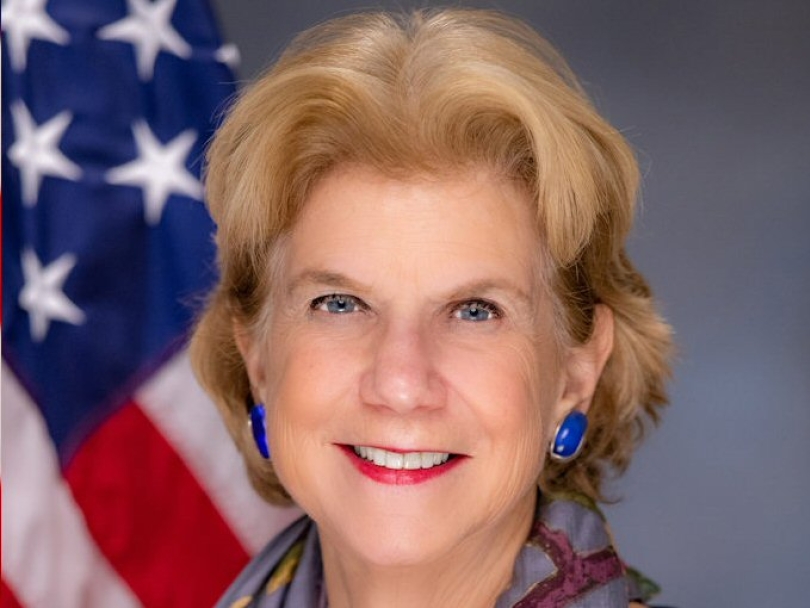
Shelley Mayer
Shelley Mayer Senate · District 37
D
Strong +
100% 48
Leroy Comrie
Leroy Comrie Senate · District 14
D
Strong +
100% 47
Andrew Lanza
Andrew Lanza Senate · District 24
R
Strong −
2% 40
Alexis Weik
Alexis Weik Senate · District 8
R
Strong −
3% 32
Patricia Canzoneri-Fitzpatrick
Patricia Canzoneri-Fitzpatrick Senate · District 9
R
Strong −
3% 32
Sam Pirozzolo
Sam Pirozzolo House · District 63
R
Strong −
9% 32
Pam Helming
Pam Helming Senate · District 54
R
Strong −
12% 49
Showing 171–180 of 217 bills

All budget & taxes bills

in committee · New York · Assembly Jan 30, 2026

A 7387: Prohibits the governor from inserting policy into appropriations

This bill amends the state constitution to require the governor to submit budget proposals containing only funding amounts (appropriations and reappropriations), not policy changes. It mandates that all substantive policy changes - whether temporary or permanent - must be proposed in separate bills for the legislature to consider, rather than being included in the budget itself. The governor may still propose budget adjustments within 30 days or with legislative consent before adjournment, but cannot attach policy directives to funding requests. This directly affects the governor's budget submission process and the legislature's ability to review funding versus policy separately.
in committee · New York · Assembly Jan 30, 2026

A 2067: Requires that any bill which provides revenue to the state in a non-recurring manner shall pass by a two-thirds majority in order to become law

This bill amends the state constitution to require a two-thirds majority vote in both legislative chambers for any bill that provides the state with one-time or temporary funding (non-recurring revenue), such as a one-time tax or asset sale. It directly affects the legislative process for passing budget-related bills that generate revenue outside of regular annual appropriations. The key provision changes the voting threshold from a simple majority to two-thirds for these specific bills, while maintaining existing requirements for bill printing and final passage. This would make it harder to pass one-time revenue measures without broader bipartisan support. The bill is currently pending in committee review.
in committee · New York · Assembly Jan 30, 2026

A 6357: Requires two-thirds vote of legislature for any change in tax rates, budget bills and appropriations

Requires approval by 2/3 vote of membership of the senate and assembly voting separately to increase or decrease any tax rate, impose a new state tax, extend or delete existing state tax.
Sub-Topics State Budget
in committee · New York · Senate Feb 3, 2026

S 3922: Requires two-thirds vote of legislature for any change in tax rates, budget bills and appropriations

Requires approval by 2/3 vote of membership of the senate and assembly voting separately to increase or decrease any tax rate, impose a new state tax, extend or delete existing state tax.
signed · New York · Senate Aug 21, 2026

S 6047: Permits the town of Monroe to impose a hotel and motel tax

This bill authorizes the town of Monroe to impose a 5% tax on hotel, motel, and bed-and-breakfast room rentals (excluding guests staying 90+ consecutive days as "permanent residents"). It specifies that revenue must be collected by Monroe's fiscal officer and deposited into the town's general fund for any lawful purpose. The tax would expire automatically three years after enactment, with no application to government entities or qualifying nonprofits. The measure directly affects short-term lodging businesses and guests within Monroe, not other municipalities.
Sub-Topics State Budget
in committee · New York · Senate Jan 7, 2026

S 1979: Requires detailed fiscal impact notes on certain legislation

Requires detailed fiscal impact notes on certain legislation stating the estimated annual cost to the political subdivision affected and the source of such estimate; provides that bills will be invalidated if the funding source is not provided or the fiscal impact results in an annual net additional cost in excess of $10,000.
in committee · New York · Assembly Jan 7, 2026

A 2258: Relates to the tax stabilization reserve fund

This bill increases the maximum percentage of state budget surplus that can be deposited into the tax stabilization reserve fund from 2% to 4% of the state's annual revenue target ("norm"). It directly affects how the state manages budget surpluses and potential shortfalls: if tax revenues fall below the norm, funds can be drawn from the reserve to cover the gap, with repayment rules remaining unchanged. The key mechanism allows more surplus money to be saved in the reserve fund during years of budget surpluses, while still permitting the remaining surplus to be used for tax reductions. The change takes effect three years after the bill becomes law.
Sub-Topics Revenue State Budget
in committee · New York · Senate Jan 7, 2026

S 3438: Relates to enacting a balanced budget requirement and creates the New York state governmental accounting review board

This bill requires New York State to balance its annual budget (excluding capital projects) starting April 1, 2026, using standard accounting principles. It creates the New York State Governmental Accounting Review Board to help the governor and legislature implement this requirement, handle requests for budget exemptions, and manage transitions if compliance would disrupt essential services. The board, composed of five accounting experts appointed by the governor, will review budget submissions and ensure they align with generally accepted accounting principles. This directly affects how the state government prepares and passes its annual budget, requiring all revenue and expenditure estimates to be reported under standardized accounting rules.
in committee · New York · Assembly Jan 7, 2026

A 7524: Relates to lump sum appropriation allocation reform

Relates to establishing the lump sum allocation advisory committee (Part A); relates to requiring transparency, identification and disclosure of certain appropriations (Part B); relates to withholding the salaries of the governor, agency commissioners and deputy commissioners for failing to meet certain reporting deadlines (Part C); relates to creating a tax rate reduction board to look at personal income tax and corporate franchise tax rates (Part D); relates to conducting an audit of all state economic development programs (Part E); relates to prohibiting certain political contributions by individuals appointed to entities that oversee lump sum appropriations (Part F); relates to prohibiting certain third party contracts (Part G).
in committee · New York · Senate Jan 7, 2026

S 472: Enacts the "truth in spending act"

S 472, the "Truth in Spending Act," requires state officials to disclose details before funding allocations. It mandates that governors and legislators requesting funds provide a project description, sign a conflict-of-interest form (if they received $4,000+ in donations from the recipient in the past five years), and confirm no conflicts exist. The bill also requires public posting of all funding details - including recipient names, project descriptions, and requesting officials - 72 hours before budget approval, and obligates recipients to certify proper fund use under penalty of perjury. These provisions directly affect state lawmakers, the governor, and organizations seeking state funding, aiming to increase transparency in how public money is distributed.
Sub-Topics Appropriations Audits & Accountability State Budget Tags Government Transparency
Showing 171 to 180 of 217 bills
Previous 1 17 18 19 22 Next