Issue · Budget & Taxes

Budget & Taxes (Audits & Accountability)

Every budget & taxes bill, vote, and legislator stance in New York, automatically classified by Maddy, our AI policy reader.

Total bills
132
2025 Regular Session
Top supporter
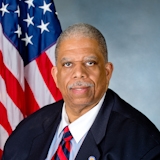
Leroy Comrie
100% support rate
Top opponent
George Borrello
33% support rate
Ranked legislators
9
5 support · 4 oppose
Key legislators

Who's moving audits & accountability in New York

Legislators moving audits & accountability in New York
Legislator Party Stance Support rate Votes
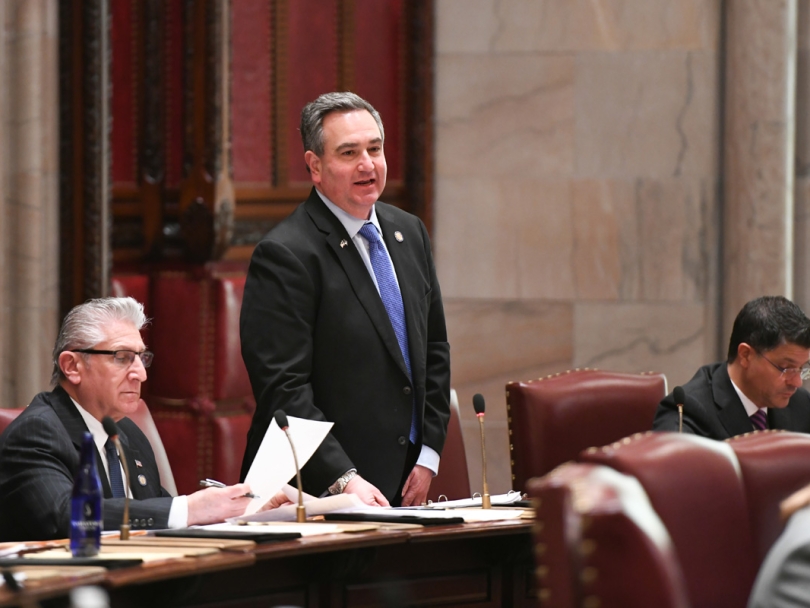
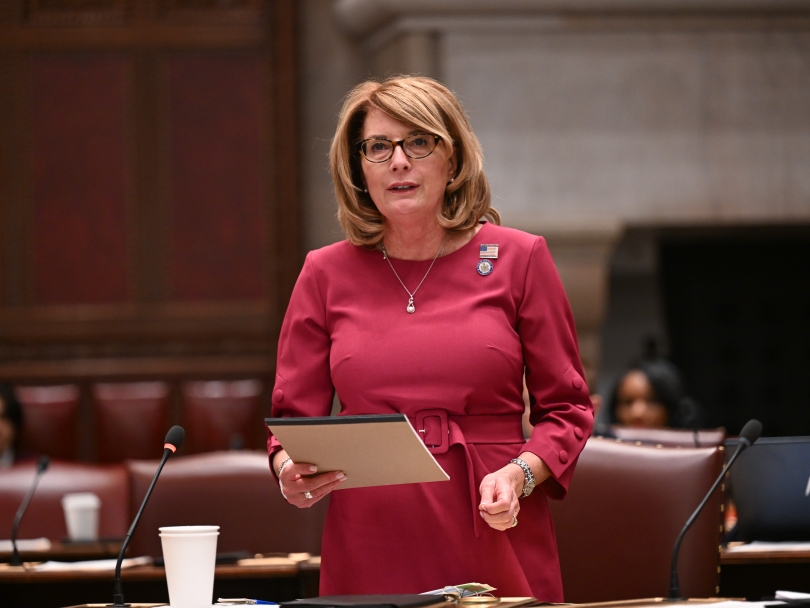
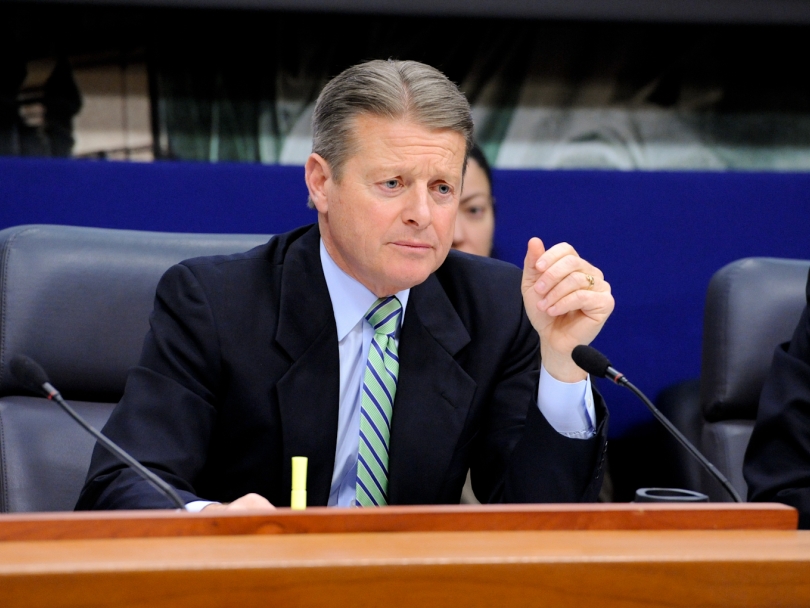
Leroy Comrie
Leroy Comrie Senate · District 14
D
Strong +
100% 3
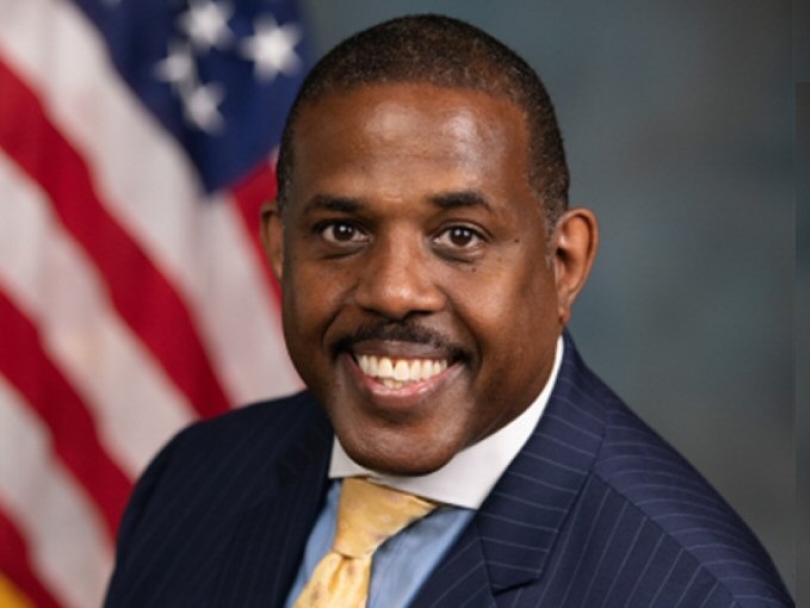
Kevin Parker
Kevin Parker Senate · District 21
D
Support
75% 4
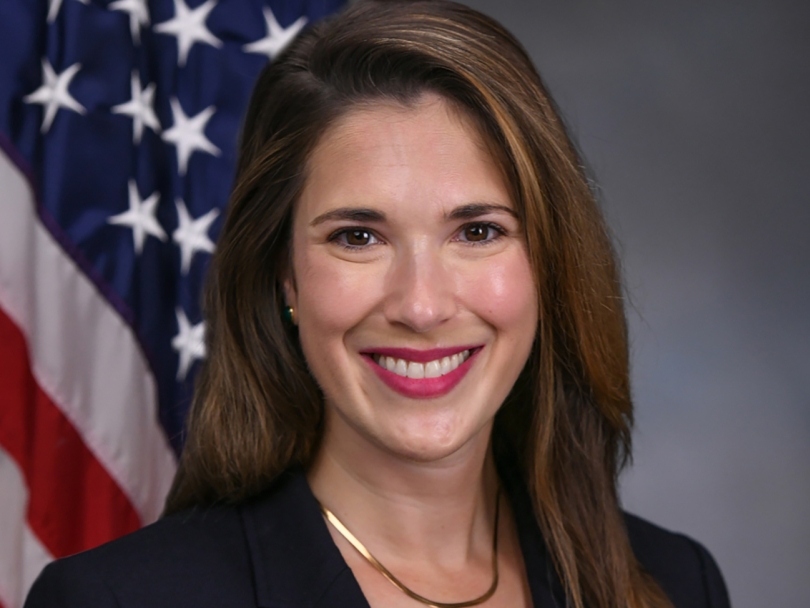
Michelle Hinchey
Michelle Hinchey Senate · District 41
D
Support
75% 4
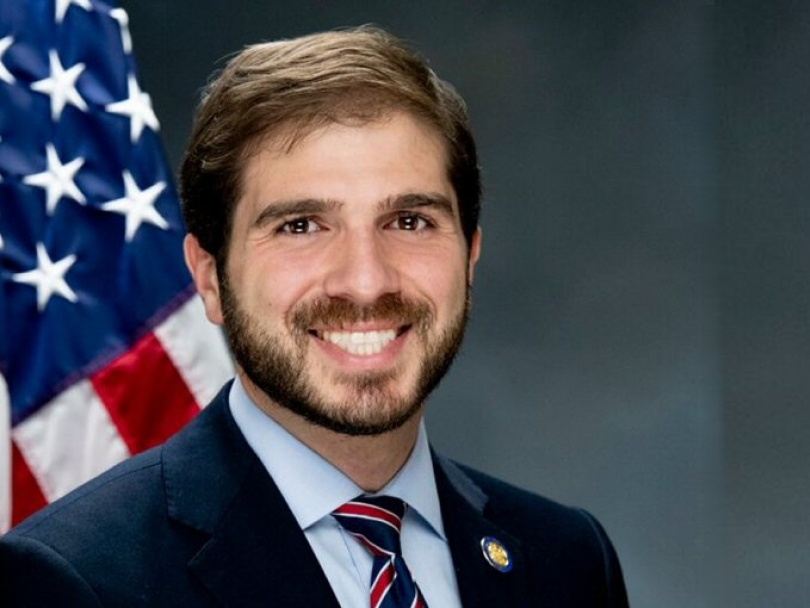
Andrew Gounardes
Andrew Gounardes Senate · District 26
D
Support
67% 3
Bill Weber
Bill Weber Senate · District 38
R
Support
67% 3
George Borrello
George Borrello Senate · District 57
R
Oppose
33% 3
Joe Griffo
Joe Griffo Senate · District 53
R
Oppose
33% 3
Pam Helming
Pam Helming Senate · District 54
R
Oppose
33% 3
Patrick Gallivan
Patrick Gallivan Senate · District 60
R
Oppose
33% 3
Showing 121–130 of 132 bills

All budget & taxes bills

in committee · New York · Senate Jan 7, 2026

S 472: Enacts the "truth in spending act"

S 472, the "Truth in Spending Act," requires state officials to disclose details before funding allocations. It mandates that governors and legislators requesting funds provide a project description, sign a conflict-of-interest form (if they received $4,000+ in donations from the recipient in the past five years), and confirm no conflicts exist. The bill also requires public posting of all funding details - including recipient names, project descriptions, and requesting officials - 72 hours before budget approval, and obligates recipients to certify proper fund use under penalty of perjury. These provisions directly affect state lawmakers, the governor, and organizations seeking state funding, aiming to increase transparency in how public money is distributed.
Sub-Topics Appropriations Audits & Accountability State Budget Tags Government Transparency
in committee · New York · Assembly Jan 7, 2026

A 4301: Creates the legislative office of fiscal transparency; requires fiscal notes on proposed rules and executive orders affecting political subdivisions

Creates the legislative office of fiscal transparency; requires fiscal notes on proposed rules and executive orders affecting political subdivisions; requires legislative committee approval of certain proposed rules; requires the comptroller to make monthly reports to the legislative office of fiscal transparency.
Sub-Topics Audits & Accountability State Budget Tags Government Transparency
in committee · New York · Assembly Jan 7, 2026

A 4771: Relates to withholding the governor and lieutenant governor's salaries until the legislative passage of the budget occurs

This bill requires that the governor and lieutenant governor's bi-weekly salary payments be withheld if the legislature has not passed a budget by the start of a fiscal year. Payments resume and any withheld amounts are paid in full once the budget is approved. The bill defines "legislative passage of the budget" as both houses of the legislature acting on the governor's budget proposal, with the comptroller confirming it covers state operations for the coming year. It directly affects the governor and lieutenant governor by linking their salary payments to the timely passage of the state budget.
in committee · New York · Senate Jan 7, 2026

S 1956: Requires the estimated cost of mandated expenditures and appropriations within the body of the bill

This bill requires all legislation that creates or changes government spending to include the estimated cost of those expenditures directly within the bill text. It applies to any bill that enacts or amends spending or appropriations, affecting all legislators drafting such bills. The key provision mandates that the estimated cost must be stated plainly in the body of the bill itself, rather than in separate documents. This change aims to increase transparency about spending impacts before a bill is considered. The bill does not alter spending policies but changes how cost information is presented to lawmakers and the public.
in committee · New York · Senate Jan 7, 2026

S 657: Requires governor to perform cost benefit analysis of tax expenditures

This bill requires New York's governor to conduct annual cost-benefit analyses of tax breaks (tax expenditures) in the state budget. It mandates evaluating whether each tax break creates jobs, retains workers, or encourages investment in New York compared to the revenue the state loses by offering it. The governor must compare each tax break's actual results to a predetermined "target ratio," explain the analysis method, and assess if the tax break still serves its original purpose. This applies to all tax breaks under specific sections of New York's tax law and directly affects how the state evaluates existing tax policies.
in committee · New York · Senate Jan 7, 2026

S 3379: Requires legislative fiscal impact notes to include objective calculations of anticipated economic impacts for next three years on state or subdivisions; repealer

Requires legislative fiscal impact notes to include objective calculations of anticipated economic impacts for next three years on state or political subdivisions.
in committee · New York · Senate Jan 7, 2026

S 5927: Creates the non-partisan legislative budget office

Creates the non-partisan legislative budget office; directs such office shall provide information to legislative committees of the senate and assembly with respect to the state budget, appropriation bills and other bills providing budget authority or tax expenditures; requires such office to report to the temporary president of the senate, the senate minority leader, the speaker of the assembly and the assembly minority leader.
in committee · New York · Senate Jan 7, 2026

S 1561: Relates to eligibility to assume office for certain elected officials owing past-due tax liabilities

This bill requires state legislators and statewide elected officials (such as governor, comptroller, or attorney general) to obtain tax clearance from New York's Department of Taxation before taking office. It mandates that individuals with unpaid, non-appealable tax debts must resolve them or establish a payment plan within six months of election. If unresolved after six months, a special election is triggered to fill the vacant position. The law defines "past-due tax liabilities" as unpaid taxes with no remaining right to administrative or judicial review.
in committee · New York · Senate Jan 7, 2026

S 5380: Requires introducer's memorandum to include a statement of fiscal impact affecting political subdivisions

This bill (S 5380) requires that every bill submitted to the legislature include a specific statement in its introducer's memorandum detailing how the bill would affect local government budgets. It directly affects political subdivisions like counties, cities, towns, and school districts by mandating that bill sponsors explain the financial impact on these local entities. The key provision adds a new requirement to legislative law, forcing sponsors to explicitly state the fiscal consequences for local governments before a bill can be formally introduced. This change aims to provide transparency about budgetary effects early in the legislative process. The bill does not alter policy content but changes the documentation required for bill introductions.
in committee · New York · Assembly Jan 7, 2026

A 7530: Establishes a spending cap and increases the maximum capacity of the rainy day fund

This bill establishes a new annual spending growth cap for state operating funds, directly affecting the governor and legislature when creating budgets. The cap limits yearly increases in state spending to the average inflation rate from the prior three years (calculated using the Consumer Price Index). It requires the governor to certify budget compliance and gives the comptroller authority to verify limits, with exceptions only for emergencies declared by the governor and approved by a two-thirds legislative vote. The bill does not change the rainy day fund's capacity, as the title's mention of that detail isn't elaborated in the actual provisions.
Showing 121 to 130 of 132 bills