Issue · Budget & Taxes

Budget & Taxes

Every budget & taxes bill, vote, and legislator stance in New Mexico, automatically classified by Maddy, our AI policy reader.

Total bills
2
2026 Regular Session
Top supporter
Anita Gonzales
100% support rate
Top opponent
John Block
0% support rate
Ranked legislators
10
5 support · 5 oppose
Key legislators

Who's moving budget & taxes in New Mexico

Legislators moving budget & taxes in New Mexico
Legislator Party Stance Support rate Decisive votes
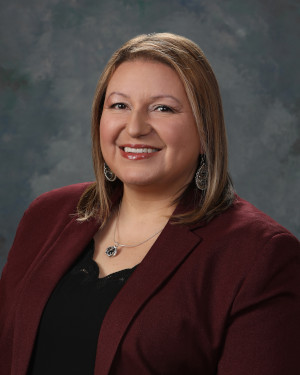
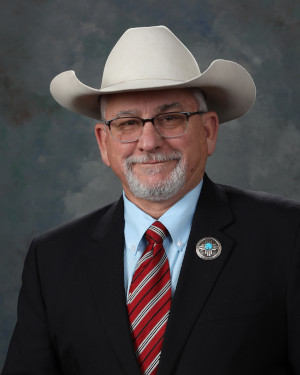
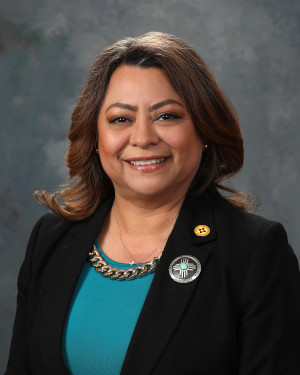
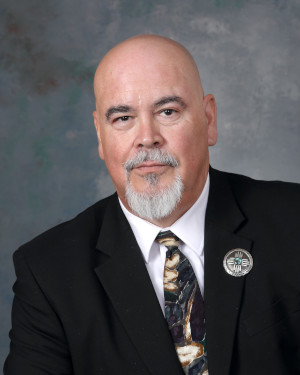
Anita Gonzales
Anita Gonzales House · District 70
D
Strong +
100% 12
Art De La Cruz
Art De La Cruz House · District 12
D
Strong +
100% 12
Cristina Parajón
Cristina Parajón House · District 25
D
Strong +
100% 12
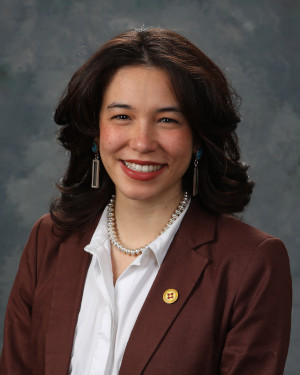
Day Hochman-Vigil
Day Hochman-Vigil House · District 15
D
Strong +
100% 12
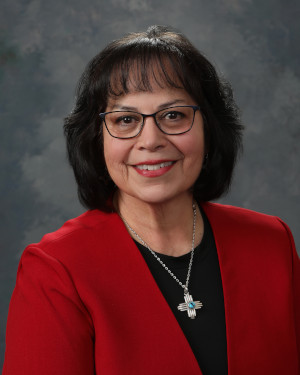
Debbie Sariñana
Debbie Sariñana House · District 21
D
Strong +
100% 12
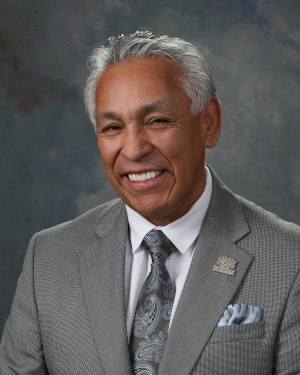
John Block
John Block House · District 51
R
Strong −
0% 12
Randy Pettigrew
Randy Pettigrew House · District 61
R
Strong −
0% 12
Angelita Mejia
Angelita Mejia House · District 58
R
Strong −
0% 11
Stefani Lord
Stefani Lord House · District 22
R
Strong −
0% 10
Alan Martinez
Alan Martinez House · District 23
R
Strong −
0% 9
Showing 2 of 2 bills

All budget & taxes bills

failed · New Mexico · House Mar 24, 2026

HB 103: CAP RESIDENTIAL PROPERTY TAX RATES

HB 103 caps annual increases in residential property tax assessments at 103% of the prior year's value or 106.1% of the value from two years prior, whichever is higher. This limit does not apply if a property's zoning changed or if ownership transferred in the year before the tax year. The bill also requires counties with low property sales ratios to reassess properties to meet a minimum threshold before the cap applies. It takes effect for tax years beginning January 1, 2026.
signed · New Mexico · House Feb 25, 2026

HB 253: PUBLIC EDUCATION CHANGES

HB 253 requires New Mexico school districts and charter schools to report projected enrollment numbers for students in distance learning programs. It changes school funding calculations by excluding distance learning students from membership counts used to determine state funding, and establishes a new approval process for these programs requiring state education department review. The bill also sets enrollment limits for distance learning with specific exceptions, clarifies requirements for students with disabilities in such programs, and renames the "Statewide Cyber Academy Act" as the "Distance Learning Act" while updating related definitions. These changes directly affect school districts, charter schools, and students enrolled in distance learning programs.