Issue · Technology

Technology

Every technology bill, vote, and legislator stance in New Jersey, automatically classified by Maddy, our AI policy reader.

Total bills
40
119th Congress
Top supporter
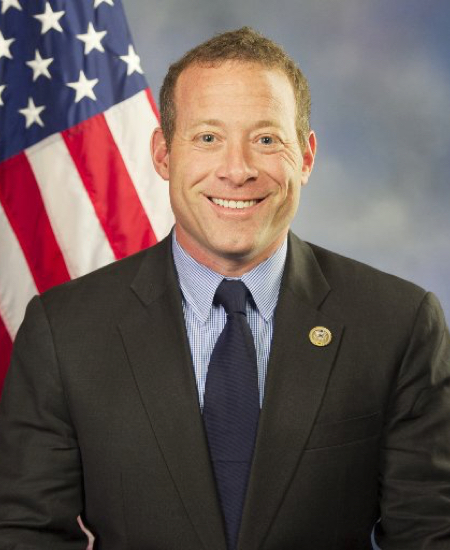
Josh Gottheimer
83% support rate
Top opponent
Thomas H. Kean, Jr.
32% support rate
Ranked legislators
8
5 support · 3 oppose
Key legislators

Who's moving technology in New Jersey

Legislators moving technology in New Jersey
Legislator Party Stance Support rate Votes
Josh Gottheimer
Josh Gottheimer House · District 5
D
Strong +
83% 239
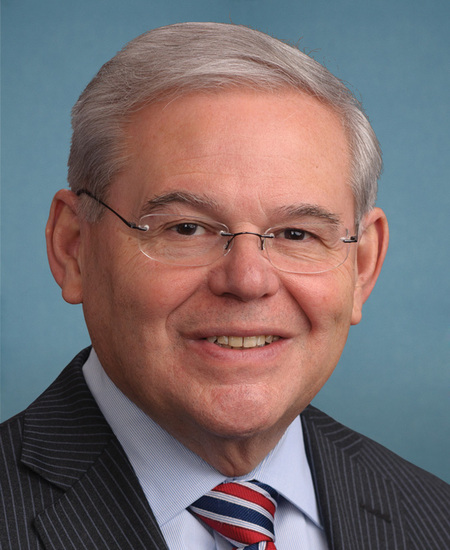
Robert Menendez
Robert Menendez House · District 8
D
Strong +
82% 263
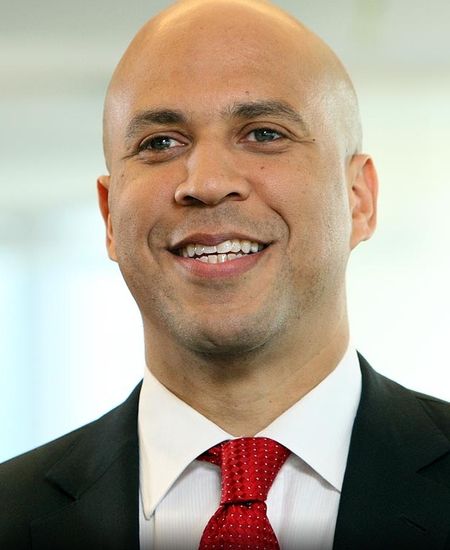
Cory A. Booker
Cory A. Booker Senate
D
Strong +
82% 226
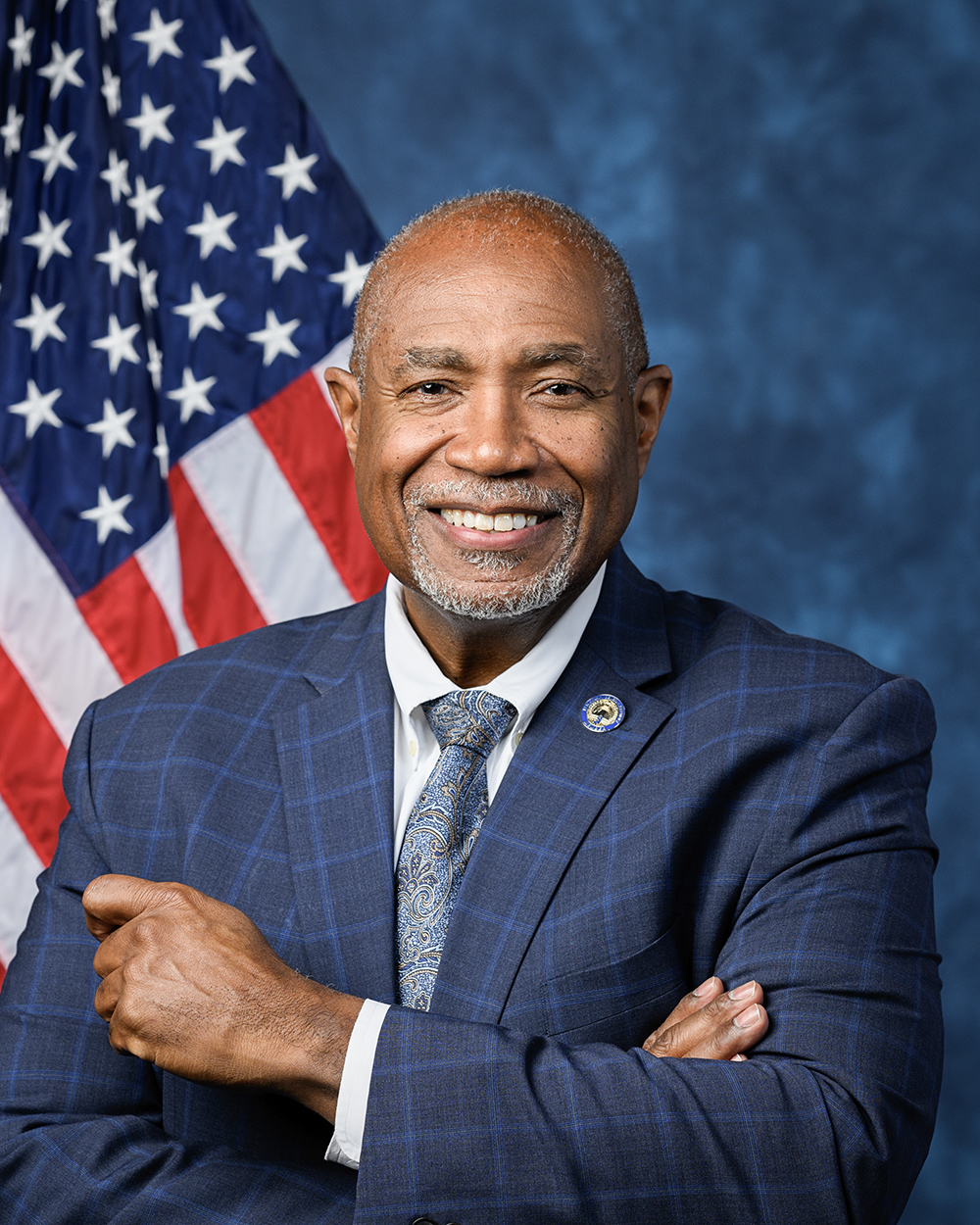
Herbert C. Conaway, Jr.
Herbert C. Conaway, Jr. House · District 3
D
Support
79% 256
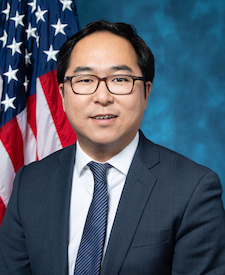
Andy Kim
Andy Kim Senate
D
Support
78% 231
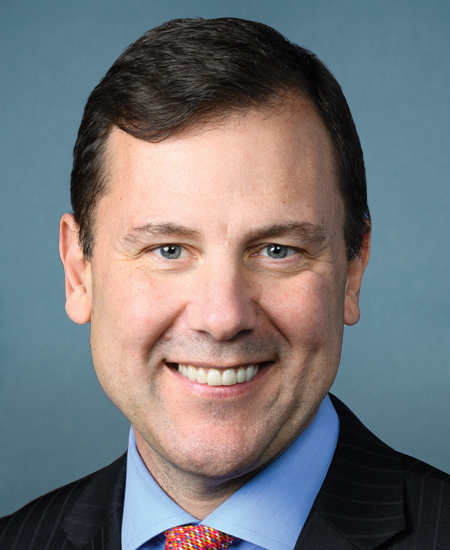
Thomas H. Kean, Jr.
Thomas H. Kean, Jr. House · District 7
R
Oppose
32% 216
Christopher H. Smith
Christopher H. Smith House · District 4
R
Oppose
36% 263
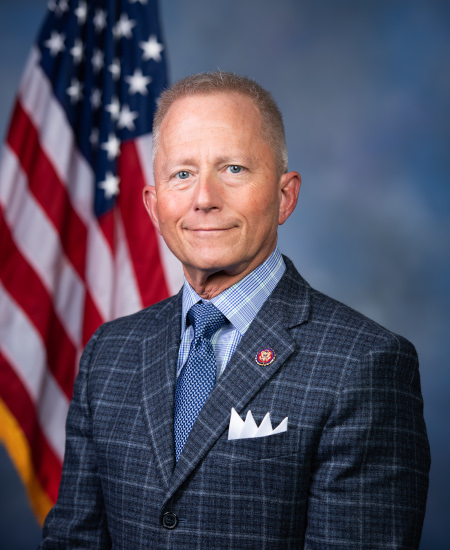
Jefferson Van Drew
Jefferson Van Drew House · District 2
R
Mixed −
41% 263
Showing 1–10 of 40 bills

All technology bills

in committee · United States · House Aug 27, 2026

HR 10166: Foreign Propaganda Disclosure Act

The Foreign Propaganda Disclosure Act amends the Foreign Agents Registration Act to explicitly include social media influencers in its regulatory scope. The bill defines a social media influencer as any individual who maintains a monetized account on a social media platform, using an existing definition from the Trafficking Victims Prevention and Protection Reauthorization Act of 2022. By making this addition, the legislation requires these specific digital content creators to comply with the same registration and disclosure obligations currently applied to other foreign agents.
Sub-Topics Social Media
in committee · United States · House Jul 23, 2026

HR 9915: Stealth Bot Prohibition Act

The Stealth Bot Prohibition Act makes it illegal to use automated software, known as stealth bots, to access websites without revealing their identity or purpose. Specifically, the law bans deploying these bots in ways that harm online services and prohibits disguising them as human users when interacting with generative artificial intelligence systems. Violations can result in civil penalties of up to $53,000 per incident, which are enforced by the Federal Trade Commission and state attorneys general. The bill defines a stealth bot as any program that scrapes or scans the internet without disclosing its nature or intended use to the website operator.
in committee · United States · House Jul 22, 2026

HR 9829: ORTHO Act

The ORTHO Act directs the Federal Trade Commission to create new rules requiring dentists to perform an in-person examination before providing most dental services or medical devices through teledentistry. This requirement includes exceptions for emergency care, approved public health programs, and specific orthodontic diagnoses that must still be confirmed by an in-person visit and review of X-rays before a patient begins using an appliance. Violations of these rules would be treated as unfair or deceptive practices, allowing both the FTC and state attorneys general to enforce the law through civil penalties and potential damages. The bill also clarifies that states retain the ability to adopt additional regulations that are consistent with these federal standards.
Sub-Topics Public Health
in committee · United States · House Jul 23, 2026

HR 9939: No AI Data Centers on Federal Lands Act

This bill, titled the No AI Data Centers on Federal Lands Act, prohibits the construction and operation of large-scale artificial intelligence data centers on any land owned or managed by the United States government. It requires federal agencies to immediately stop building or running such facilities and mandates the removal of existing structures within 30 days of the law's enactment. The legislation defines these centers as buildings with high power usage or advanced cooling systems used for developing AI models, while also specifying that any cleanup must follow environmental safety standards.
in committee · United States · House Jul 27, 2026

HR 9948: Addictive Design Act of 2026

The Addictive Design Act of 2026 aims to protect youth under 18 from potential mental health risks associated with artificial intelligence chatbots by banning specific features designed to create emotional attachments. To support this goal, the bill establishes a government task force to study these impacts and provides funding for research and educational outreach to parents and teachers. The legislation also mandates that companies offering AI chatbots to minors must use age verification technology and delete user data within 24 hours. Companies that fail to comply with the ban on addictive design features or data privacy requirements face civil penalties of up to $10 million or $5,000 per violation, respectively.
in committee · United States · House Jul 16, 2026

HR 9734: Protecting Patients from Automated Denials Act

The Protecting Patients from Automated Denials Act requires Medicare Advantage plans to ensure that any denial of medical coverage based on artificial intelligence is reviewed and approved by a qualified physician before it is issued. This rule, which applies to plan years starting on or after January 1, 2027, mandates that the reviewing doctor must exercise independent medical judgment and provide a signed statement confirming the denial was not generated by AI. Additionally, the plan must inform the patient and provider that AI was used, share the doctor's contact information, and keep detailed records of the process for at least 10 years. The legislation also establishes a system for the government to audit these plans and requires them to submit regular reports on how often AI is used to deny care.
in committee · United States · House Jun 30, 2026

HR 9546: Cloud Security Act

The Cloud Security Act amends existing laws to allow cloud service providers to share specific customer data with the U.S. government under certain conditions. This permission applies when the provider believes in good faith that a customer is using advanced cloud computing resources or artificial intelligence models to benefit a designated foreign entity. The bill defines these advanced technologies by specific technical metrics, such as the number of parameters in AI models and the processing power of computer chips, while limiting the shared information to only what is necessary for verification. By creating these exceptions, the legislation enables the Department of Commerce to monitor and report on the use of sensitive technology by foreign actors without requiring a separate warrant for each instance.
in committee · United States · House Jun 24, 2026

HR 9442: Artificial Intelligence Data Center Moratorium Act

This bill, titled the Artificial Intelligence Data Center Moratorium Act, halts the construction and upgrading of large-scale artificial intelligence data centers until specific federal laws are passed. It defines these facilities as sites with high power capacity or advanced cooling systems used for developing AI models. The moratorium remains in effect until new legislation ensures federal safety reviews for AI products, mandates that economic benefits reach workers rather than just wealthy owners, prevents increases in utility bills, avoids environmental harm, requires community approval, bans government subsidies, and guarantees union jobs with strong labor standards. Additionally, the bill restricts the export of computing hardware, such as semiconductors and networking equipment, to countries that do not adopt these same protective laws for AI development.
in committee · United States · House Jun 11, 2026

HR 9262: Local Control Protection Act

The Local Control Protection Act restricts federal courts from hearing challenges to local zoning decisions that deny permits for large data centers, provided those denials were made by recorded vote with documented findings. It also prohibits federal agencies from approving permits for these facilities if the developer is currently suing to overturn a local government's denial. Additionally, the bill requires developers of covered data centers to receive tax credits only if they sign enforceable agreements with local officials to address infrastructure impacts, monitor environmental effects, and prioritize hiring local workers and contractors.
Sub-Topics Property Development Zoning Tags Local Government
in committee · United States · House May 26, 2026

HR 9028: PRC Broker-Dealers and Investment Advisers Moratorium Act

This bill prohibits the registration of new broker-dealers and investment advisers in the United States if they are owned, controlled, or managed by entities or individuals from China. The law defines control as owning more than 15% of voting securities and bars registration for firms that receive specific services from Chinese affiliates, such as software development, platform infrastructure, or customer support. These restrictions apply to both the primary firm and its related parties, ensuring that no Chinese-linked entity can operate under these federal securities licenses. The ban is set to expire automatically five years after the law is enacted, at which point the prohibitions will be removed.
Showing 1 to 10 of 40 bills
1 2 3 4 Next