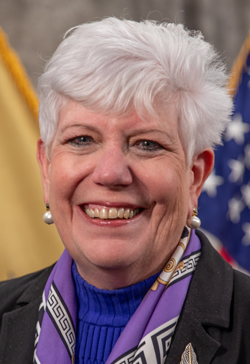
This bill requires NJ FamilyCare, New Jersey's public health insurance program, to cover prescriptions for healthy foods for certain enrollees. It defines a food prescription as a written order from a healthcare provider for specific foods to treat diet-related health conditions. The legislation amends existing state laws to establish a program that supports small food retailers and pharmacies in stocking and selling fresh produce and other nutritious items at affordable prices. By covering these food prescriptions, the bill aims to improve access to healthy foods for low-income residents, particularly those in areas with limited grocery options. The changes apply to NJ FamilyCare participants who receive healthcare provider prescriptions for specific healthy foods as part of their treatment plans.
This bill establishes a minimum Medicaid reimbursement rate for structured day program services provided to New Jersey Medicaid beneficiaries with brain injuries. It requires that these rates match the average reimbursement for Day Habilitation Services Tiers D and E (currently $9.89 per 15 minutes) as used for developmental disability services. The policy directly affects approved brain injury service providers who deliver these programs to Medicaid beneficiaries. This amendment expands existing law, which previously only set minimum rates for community residential services, to now include structured day program services.
This New Jersey bill requires licensed healthcare providers (including doctors, nurses, and midwives) to conduct regular, private screenings for intimate partner violence during patient visits, using evidence-based guidelines. If a provider identifies potential abuse, they must document findings, provide immediate resources for victims (like local support services), and ensure patients can revoke access to their medical records for alleged abusers under federal privacy laws. The bill mandates that healthcare professionals advise victims during the same visit about removing perpetrators from their authorized medical record access list. The state departments of Children and Families and Health must maintain and update a biennial resource list for providers on victim support services. It directly affects healthcare providers and patients experiencing abuse by current or former intimate partners.
This bill establishes a Women's Menstrual Health Program within New Jersey's Department of Health to identify and assist patients experiencing symptoms related to endometriosis and polycystic ovary syndrome (PCOS). The program requires the Department to provide evidence-based education and training for healthcare providers, emergency staff, and the public on menstrual health screening and care. It also mandates the creation of online resources, including clinical guidelines for screening, referral, and treatment, and public educational materials about these conditions. The program directly affects individuals with symptoms of endometriosis or PCOS, aiming to improve access to appropriate care through standardized resources and provider education.
This bill requires New Jersey's child abuse reporting hotline (maintained by the Division of Child Protection and Permanency) to provide callers with information about available resources for victims and their families. The hotline must now include details about community services such as counseling, parenting classes, substance abuse treatment, in-home support, foster care, and residential care. It directly affects families reporting or experiencing child abuse by connecting them to immediate support options. The policy change amends existing law to ensure victims and families are informed about these resources during hotline interactions.
This bill requires New Jersey's Department of Health (DOH) and Department of Education (DOE) to create and distribute annual guidelines for school districts and colleges. The guidelines must include research-backed materials on vaping's health risks (lung effects, mental health, comparison to smoking, dangers to pregnant people and children), age-appropriate anti-vaping campaigns, decision-making tools to resist peer pressure, and promotional materials for students from middle school through college. Schools and colleges must use these guidelines to implement campus anti-vaping programs. The DOH and DOE will update the guidelines yearly and post them online with additional resources.
Bill A 2205 requires New Jersey's Commissioner of Health (working with the Attorney General) to create clear, easily understandable signs for emergency rooms. These signs must display VCCO services/benefits, contact details, and how to file a compensation claim. The bill mandates posting these signs in all general hospital emergency departments and satellite emergency departments, with electronic displays permitted. It aims to make VCCO information more accessible to individuals who may qualify for victim compensation after crimes. The bill takes effect four months after enactment.
This bill requires New Jersey's Division of Developmental Disabilities to create and distribute a client satisfaction survey to individuals using support coordination services. The survey will rate agencies on a 1-5 star scale based on client feedback, with results updated quarterly and published online. Support coordination agencies - which help people with developmental disabilities access medical, social, and educational services - are directly affected by this new rating system. The policy mandates transparency in service quality without altering existing support structures.
This bill requires New Jersey healthcare providers to refer pregnant people or new mothers diagnosed with preeclampsia who later show endometriosis symptoms for evaluation. It mandates obstetric care providers to educate patients about endometriosis, explain evaluation benefits, and either conduct the evaluation or refer for one (with a written refusal option). The Commissioner of Health must develop patient education materials on endometriosis symptoms and warning signs, in consultation with advocacy groups. If diagnosed, providers must create a treatment plan to minimize endometriosis risks. The bill is pending in committee and would take effect 180 days after enactment.
This New Jersey bill (A 2188) requires birthing centers, federally qualified health centers, and healthcare providers offering prenatal or postpartum care (within 12 weeks of birth) to screen patients showing symptoms of high blood pressure during or after pregnancy for preeclampsia. Providers must use evidence-based tools from recognized medical groups, inform patients about symptoms and evaluation benefits, and discuss results - developing treatment plans if preeclampsia is confirmed. The law applies to people who haven’t been previously diagnosed with the condition in the current or recent pregnancy. It aims to standardize early detection and care for a serious postpartum health risk.