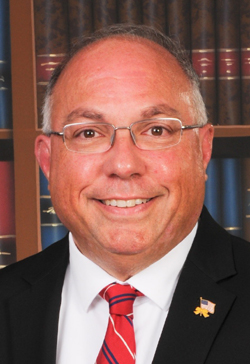
Key legislators
Who's moving criminal justice in New Jersey
Showing 11–13 of 13
bills
All criminal justice bills
This bill codifies New Jersey's Attorney General's "Strengthening Trust Between Law Enforcement and Immigrant Communities" directive into law. It directly affects all New Jersey state, county, and municipal law enforcement agencies and officers by prohibiting them from: (1) stopping or detaining people based solely on immigration status, (2) asking about immigration status except during specific criminal investigations, and (3) sharing personal information with federal immigration authorities for immigration enforcement purposes. The law clarifies that officers' primary duty is enforcing state criminal laws, not federal immigration law, and emphasizes that this does not prevent enforcing state criminal laws. The goal is to build trust in immigrant communities and ensure law enforcement resources focus on public safety rather than immigration enforcement.
New Jersey's S 3114, the "Law Enforcement Officer Protection Act," requires police officers and other law enforcement personnel to reveal their faces and show official identification before detaining or arresting someone during public interactions. Officers must wear non-concealing uniforms, display a photo ID card, show a numbered badge, or verbally state their name and agency. Exceptions include undercover work, medical masks (with physician approval), smoke protection during emergencies, or when safety or an investigation is at risk. The law applies to all state, county, and municipal officers and takes effect immediately.
This bill requires New Jersey law enforcement officers to reveal their facial identity during public interactions (except during undercover operations, medical mask use with physician approval, or smoke exposure during emergencies) and to present valid identification before detaining or arresting someone. Officers must show a uniform with agency insignia, a photo ID card, a numbered badge, or verbally state their name and agency. It applies to all state, county, municipal, and federal officers performing public duties, with exemptions for safety risks, ongoing investigations, or stealth operations. The law aims to increase transparency during police encounters while allowing necessary operational flexibility.