

In committee Nov 20, 2025
0 co-sponsors
R
New Hampshire House
·
District Rockingham 5
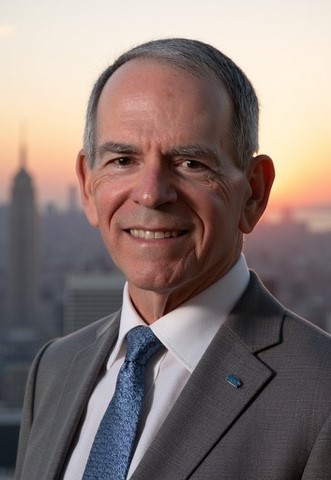
Rep. Michael Vose
Total votes
1,970
all sessions
Attendance
96%
79 missed
Near the chamber average
With party
93%
of cast votes
Near the chamber average
Bipartisan score
4%
crosses aisle rarely
Near the chamber average
Sponsored
91
bills & resolutions
Lower than 90% of chamber peers
Committees
1
assignment
91 bills and resolutions
Sponsored bills
Total
91
Primary
37
Co-sponsor
54
This page
91
matching current filters
relative to establishing a mandatory minimum sentence for the crime of distribution of a controlled drug with death resulting.
Maddy summarySB 15 proposes a sentencing option called "hard labor" for individuals convicted of capital murder or severe sexual assault on children under 13, correcting a mismatched title referencing drug distribution. The bill requires a separate jury sentencing hearing where 9 of 12 jurors must unanimously agree the crime was "especially heinous" or involved deliberate cruelty, before imposing life imprisonment at hard labor. Hard labor would involve 8+ hours daily of physically demanding tasks like construction or farming, with strict medical exemptions for documented health conditions requiring independent review. The bill also mandates prison staff training on constitutional standards and annual reporting on exemption requests, but remains pending committee approval.
Passed Nov 17, 2025
1 co-sponsor
prohibiting municipalities from banning use of grounds maintenance and snow and ice removal equipment with internal combustion engines.
Maddy summaryHB 453 prevents cities and towns from banning gas or diesel-powered equipment used for lawn care (like mowers) and snow/ice removal (like plows). It directly affects local municipalities that might have considered restricting such equipment due to emissions or noise concerns. The bill’s key provision prohibits local governments from enacting or enforcing bans on these specific types of internal combustion engine equipment. The bill was referred to committee but was ultimately reported as "Inexpedient to Legislate" with a 17-0 vote on September 24, 2025, meaning it did not advance further.
EnergyOpposes EnergyPrevents local bans on fossil fuel-powered equipment (gas/diesel mowers/plows), opposing restrictions that could advance cleaner energy alternatives.
EnvironmentOpposes EnvironmentPrevents local bans on gas/diesel equipment, blocking emissions reduction efforts. Weakens local environmental protections by prohibiting restrictions on high-emission machinery.
died Nov 13, 2025
1 co-sponsor
relative to cooperation with federal immigration authorities.
Maddy summarySB 71 allows New Hampshire counties to hold individuals detained by U.S. Immigration and Customs Enforcement (ICE) for up to 48 additional hours (excluding weekends and holidays) after resolving local state charges, provided the county and ICE have a written agreement. This bill directly affects county correctional facilities and ICE, establishing clear limits on how long local jails can detain immigration enforcement detainees. The key provision requires counties to have a formal written agreement with ICE to use this 48-hour extension, and it specifies that counties cannot hold individuals solely for immigration enforcement without addressing state charges first. The bill aims to clarify cooperation protocols between local law enforcement and federal immigration authorities.
died Nov 13, 2025
1 co-sponsor
requiring that retailers of fuel blends with 15% ethanol also offer fuel blends with 10% or lower ethanol content.
Maddy summaryHB 454 would require fuel retailers selling blends containing 15% ethanol (E15) to also offer fuel blends with 10% ethanol or less. This directly affects gas stations and retailers that currently sell E15, mandating they provide lower-ethanol options alongside higher blends. The key provision is a mandatory availability requirement for the lower-ethanol fuel, giving consumers more choice between fuel types. The bill focuses on altering retail fuel offerings without specifying additional environmental or economic impacts.
In committee Nov 10, 2025
1 co-sponsor
allowing persons under 21 into veterans' clubs, private clubs, and social clubs under certain conditions.
Maddy summaryHB 565 would allow individuals under 21 to enter veterans' clubs, private clubs, and social clubs if clubs establish specific, written conditions - such as requiring adult supervision or designating age-appropriate areas. This directly affects minors who are currently barred from these venues due to existing age restrictions. The bill requires clubs to create and follow clear policies for underage access without specifying exact rules. It modifies current restrictions to permit entry under club-defined conditions, focusing on venue autonomy rather than state-imposed standards.
In committee Nov 10, 2025
1 co-sponsor
relative to changes to the minimum electric renewable portfolio standards.
Maddy summaryHB 219 increases the minimum percentage of electricity that utilities must generate from renewable sources like wind and solar. It directly affects electric utilities operating in the state by requiring higher annual renewable energy targets. The bill establishes new, elevated annual benchmarks for renewable energy adoption, moving the state toward stricter clean energy goals. This policy change mandates specific percentage increases for utility compliance over time.
EnergySupports EnergyIncreases renewable energy targets for utilities, mandating higher annual benchmarks for wind/solar adoption, advancing clean energy goals per bill summary.
EnvironmentSupports EnvironmentIncreases renewable energy mandates for utilities, directly advancing clean energy adoption and reducing fossil fuel dependence.
Passed Nov 6, 2025
1 co-sponsor
relative to assessment of cost effectiveness of the systems benefit charge.
Maddy summaryHB 221 requires the state to assess whether the "systems benefit charge" (a fee added to electricity bills to fund energy programs like renewable projects) is cost-effective for customers. The bill mandates a study to determine if this charge delivers value by saving money or improving energy outcomes. It directly affects electricity customers and utility companies by requiring a formal evaluation of this fee's impact. The legislation focuses on gathering data to inform future decisions about the charge, without changing its current structure. The bill is currently under committee review with a pending report.
Passed Nov 4, 2025
1 co-sponsor
repealing the multi-use energy data platform.
Maddy summaryHB 723 would repeal the existing "multi-use energy data platform," removing a state-run system that collected and shared energy usage information. This bill directly affects the state agency or utility providers currently operating the platform, as it would eliminate their requirement to use this specific system. The key mechanism is the repeal of the underlying law establishing the platform, effectively ending its operation without creating a replacement system. (Note: As a procedural repeal bill, this summary is concise and focuses solely on the policy change described in the bill's title.)
Passed Nov 4, 2025
1 co-sponsor
relative to establishing a New Hampshire state trooper recruitment loan debt relief program and making an appropriation therefor.
Maddy summarySB 21 would create a New Hampshire program to help new state troopers with student loan debt. It would provide up to $40,000 in loan relief ($10,000 per year for up to 5 years) to officers hired on or after July 1, 2025, who owe at least $10,000 in student loans and remain employed as police officers during that period. Relief is based on remaining debt (prorated for less than $10,000) and cannot cover interest. The bill is currently pending, having been deemed "Inexpedient to Legislate" in the Senate on October 31, 2025.
Failed Nov 3, 2025
1 co-sponsor
Ask Maddy
·
AI policy assistant
Ask Maddy about Michael Vose
Scope: new-hampshire
Hi! I can help you understand Michael Vose's legislative record. What would you like to know?
Try one of these
i
Maddy answers using official bill text and legislative records. Always verify before sharing.
Sources cited inline