

Maddy summaryHB 1610 would allow New Hampshire school districts to retain unused general funds at the end of each fiscal year for the next year, instead of returning them to taxpayers. The bill limits retained funds to 2.5% of the district's annual property tax revenue and requires school boards to hold a public hearing before using the funds. Districts must also provide an annual public report detailing how the retained funds were spent. This change modifies existing law to give school districts ongoing flexibility for managing unanticipated expenses.

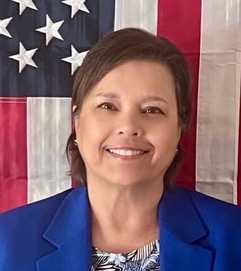
Rep. Linda Franz
Sponsored bills
Maddy summaryHB 1003 prohibits Grafton County Attorney from engaging in private legal practice for compensation, except when providing free legal services to family members without conflicts of interest. The bill adds a new section (7:34-h) to New Hampshire law, explicitly banning the county attorney from accepting fees for private legal work beyond their official salary. This directly affects the Grafton County Attorney position, requiring them to focus solely on public duties without outside legal engagements. The law takes effect immediately upon passage.
Maddy summaryHB 1693 expands Grafton County's board of commissioners from three to five members, creating five distinct districts covering all towns in the county. Each commissioner will be elected to a two-year term starting in 2026, with all seats up for election simultaneously at each general election. This change directly affects Grafton County residents, as it alters how local government representation is structured and elected. The bill requires an estimated $39,000 annual increase in county expenditures for the additional two commissioners' salaries and related costs.
Maddy summaryHB 560 is a multi-topic bill that bundles four distinct policy proposals. It would allow parents access to their minor children's medical records, impose penalties for refusing alcohol concentration testing, define how pre-sequestration timber tax revenue is handled, and establish a moratorium on carbon sequestration projects in New Hampshire forests while creating a commission to study their impact on tax revenue and the logging industry. The bill does not create a single unified policy but combines these separate provisions. Key mechanisms include new parental access rules for medical records, penalties for refusing alcohol tests, and a temporary pause on carbon sequestration projects with a mandated study. This bill directly affects parents, healthcare providers, drivers facing alcohol testing, and entities involved in forestry and carbon sequestration in New Hampshire.
Maddy summaryHB 373 establishes new regulations for how towns manage and regulate their owned real property, including land and buildings. It directly affects municipal governments by requiring standardized procedures for property transactions, maintenance, and record-keeping. The bill sets clear guidelines for town officials to follow when acquiring, selling, or leasing public property. Signed into law by Governor Ayotte on June 23, 2025, it takes effect August 23, 2025.
Maddy summaryHB 327 amends state law to clarify who can witness signatures for candidates filing to run for state representative. It specifies that for districts with one town or ward, the town/city clerk or secretary of state must witness filings. For districts with multiple towns or wards, the town clerk where the candidate lives (or a designated town clerk if unincorporated) must witness filings. This change directly affects candidates seeking state representative positions in different district configurations. The bill became law on July 28, 2025.