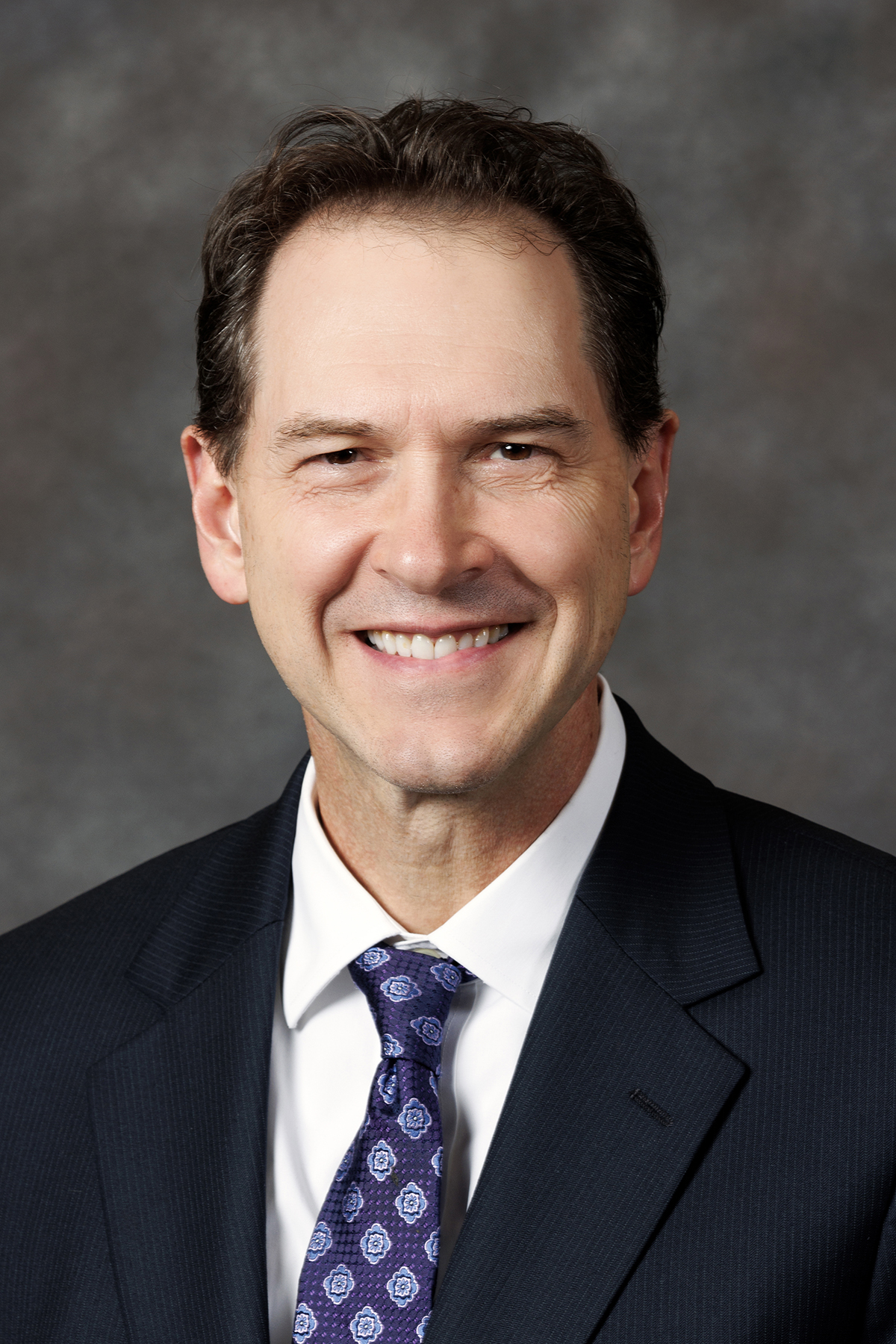
This legislative resolution honors Dr. Neal H. Schnoor for his inauguration as the tenth Chancellor of the University of Nebraska at Kearney. It recognizes his background as a Nebraska native and first-generation college graduate who previously led other universities before returning to UNK. The document formally congratulates him on his leadership and commits to sending a copy of the resolution to him.
This legislative resolution directs Nebraska's Education Committee to conduct an interim study on whether offering bachelor's degrees with fewer than 120 credit hours could benefit the state. The study examines how reducing degree requirements might help address growing job demands for college graduates and workforce shortages, particularly in regions outside the eastern half of Nebraska where most current degree-granting institutions are located. The committee will analyze which geographic areas, industries, student populations, and postsecondary institutions would best benefit from alternative degree pathways, potentially including community colleges. The committee will submit its findings and recommendations to the Legislative Council or Legislature after completing the study.
This bill allocates state funding to support the implementation of Legislative Bill 937, which was introduced in the 2026 legislative session. The appropriation provides $106,400 for the 2026-27 fiscal year and $109,592 for the 2027-28 fiscal year from the General Fund. These funds are designated for the Board of Regents of the University of Nebraska to carry out specific provisions outlined in LB 937. The bill is a financial measure that enables the university to execute policies established by the earlier legislation without adding new requirements.
Nebraska's LB 1086 changes eligibility requirements for community college gap assistance, directly affecting students seeking financial support to cover costs not covered by other funding. The bill replaces existing rules with a new standard requiring applicants to demonstrate capacity to: complete an eligible program, earn a credential, secure full-time employment, and maintain that employment. It also explicitly excludes Supplemental Nutrition Assistance Program Employment and Training benefits from eligibility calculations. This policy change aims to ensure gap assistance fills true financial gaps after other public or private funding sources are exhausted.
LB 1153 amends Nebraska's Consumer Protection Act to change how money recovered from consumer cases is handled. It sets a termination date of July 1, 2026, for the current State Settlement Cash Fund and redirects 96% of future recoveries to common schools (per Nebraska Constitution), while distributing 1% each to four specific funds: Legal Education, Financial Literacy, University of Nebraska tenant assistance, and UNMC pediatric cancer research. The bill also clarifies that funds held in trust for specific beneficiaries (e.g., individuals or organizations) are excluded from this distribution. This policy change directly affects how the state allocates civil damages recovered under the Consumer Protection Act.
LB 870 changes Nebraska's rules for determining in-state tuition eligibility at state colleges and universities. It adds new residency categories, including students who attended Nebraska high school for three years, military personnel and their dependents stationed in Nebraska, and students who are dependents of Nebraska residents. The bill requires documentary proof of residency for most cases and allows students who lived with a parent in Nebraska during high school to retain in-state status even if the parent moves, provided they intend to make Nebraska their permanent home. This directly affects students applying to Nebraska's public colleges who might otherwise pay higher out-of-state tuition rates.
Nebraska Legislative Bill LB 833 changes how state colleges prioritize degree programs. It establishes a four-tier priority system: first for education bachelor's degrees, second for graduate programs in education and other fields, third for applied research, and fourth for specialist degrees. The bill specifically requires Chadron State College (western Nebraska), Peru State College (southeast Nebraska), and Wayne State College (northeast Nebraska) to limit new undergraduate programs based on their regional needs. It also allows these colleges to independently offer certain master's and doctoral programs after demonstrating capacity and securing approval from the Board of Trustees and the state education commission.
LB 1164, the Prior Learning Act, requires Nebraska's public colleges and universities to allow students to earn college credit for prior learning - such as military training, work experience, or professional certifications - by passing approved exams. The state education commission must approve a list of these exams and set minimum passing scores (cut scores) by September 2026. Institutions must develop and publish policies for awarding credit, prioritizing it for general education or major requirements over electives, and report annually on student usage and credit awarded. This directly affects students seeking to accelerate degree completion and public institutions administering credit.
This bill amends Nebraska's Site and Building Development Fund to update eligible activities for financial assistance. It adds new provisions allowing grants for infrastructure upgrades at military installations (like nuclear command facilities), $2 million grants to specific cities for revitalizing former university properties to support foster youth, and matching funds for inland port authorities. The bill also expands eligibility to include golf facility construction in metropolitan cities and clarifies requirements for entities receiving assistance. These changes directly affect cities, counties, military partners, and economic development organizations seeking funding for industrial sites, infrastructure, and community projects.
LB 937 amends Nebraska education laws to clarify processes for option school enrollment, reading support, and dyslexia services. It requires school districts to provide written reasons for rejecting enrollment applications - including specific details about unmet disability-related accommodations for students with IEPs or diagnosed disabilities - and mandates annual reports on rejected applications to the state education department. The bill also updates teacher apprenticeship and recruitment programs, modifies the College Pathway Program, and removes outdated sections about solar/wind grants and evaluation models. These changes aim to standardize reporting and streamline administrative processes for school districts and families.