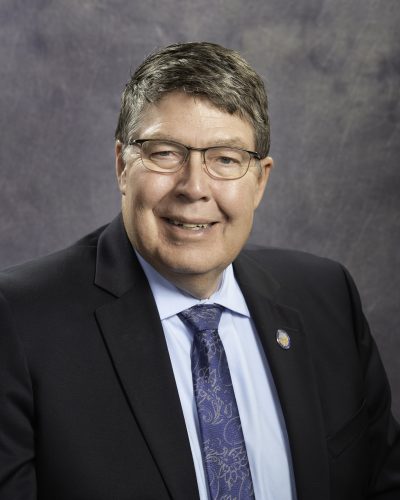
SB 23 revises railroad accident reporting requirements for companies operating in Montana. The bill amends current law to empower the Public Service Commission to adopt rules that set specific thresholds for when a railroad accident must be reported. This grants the Commission the authority to define the criteria for reportable incidents, rather than requiring companies to report every accident. The changes directly affect railroad companies operating in the state and the Public Service Commission.
HB 512 mandates that all new school buses purchased on or after January 1, 2026, must be equipped with lap-shoulder belts for each passenger. School districts using these buses would be required to adopt and enforce a seat belt usage policy and ensure belts are properly maintained. The bill provides exceptions for school districts that cannot afford such buses, following a public vote. Additionally, it limits the liability of the state, counties, and school districts in personal injury cases where passengers fail to use or improperly use the belts, provided an enforceable policy is in place.
Montana's SJ 3 is a joint resolution urging the U.S. Congress to revise federal commercial driver's license (CDL) requirements. It specifically requests that Congress exempt small haulers (e.g., pickup trucks carrying nonhazardous materials) and school bus drivers from needing CDLs, citing burdens on small businesses and rural school districts. The resolution does not change any laws but formally asks Congress to adjust federal rules to reduce these requirements. Montana's delegation and relevant federal committees will receive copies of the resolution.
HB 3 is a funding bill that allocates specific amounts to Montana state agencies for the 2024-2025 fiscal year and continues some funding into the 2025-2026 biennium. It provides $22.2 million to the Public Health and Human Services Division, $12.5 million to the State Public Defender's Conflict Division, $4.07 million to the Montana Highway Patrol, and other sums to agencies like Revenue, Corrections, and Fish and Wildlife. The bill directs these funds for existing agency operations, with unspent balances reverting to their respective funds. It became law immediately upon the governor's signature on April 7, 2025, without requiring additional legislative action. This is a routine budget measure affecting state agency operations, not a policy change impacting citizens.
HB 159 revises Montana's rural improvement district laws to explicitly allow districts to be created for maintaining existing public improvements (like roads or drainage systems), not just building new ones. It simplifies the process by removing the need for a petition if all property owners within the proposed district waive their right to protest its creation. The bill also adjusts petition requirements for road maintenance districts, requiring only 50% consent of property area if all roads to be maintained are public improvements. This directly affects rural property owners and county commissioners by making it easier to form districts focused on upkeep rather than new construction.
HB 43 revises Montana's motor vehicle traffic laws to improve clarity and consistency. It specifically defines "paved shoulder" to allow bicyclists to operate on shoulders (not just paved roads), updates rules for yielding to emergency vehicles, and clarifies when passing school buses is permitted. The bill also reorganizes traffic definitions and amends parking permit rules to better protect accessible parking spaces for people with disabilities. These changes directly affect drivers, cyclists, and emergency responders by standardizing road usage and accessibility requirements. The bill was signed into law by Montana's Governor on March 27, 2025.