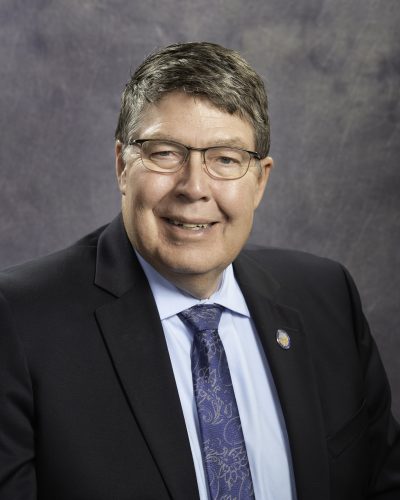
Senate Joint Resolution 19 (SJ 19) requests an interim study on ways to improve passenger transportation and public transit services throughout Montana. The study aims to benefit various residents, including senior citizens, people with disabilities, students, and tourists, particularly in areas currently underserved by transportation options. It will investigate potential solutions, such as establishing a passenger transportation commission and reviewing laws to accommodate autonomous vehicles. The Legislative Council is requested to assign a committee or staff to conduct this study, with final results and recommendations due to the 70th Legislature by September 15, 2026.
SB 228 revises laws related to public electric vehicle (EV) charging stations, affecting EV owners and charging station operators. The bill imposes a 3-cent per kilowatt-hour tax on electricity delivered to public charging stations, with specific effective dates for new and existing stations. It mandates that all public charging stations install a separate electric meter, with the owner responsible for installation costs. Additionally, the bill eliminates a future 30% reduction in state registration fees for electric vehicles. Public charging station operators are also required to register with the state and disclose their charging rates.
SB 23 revises railroad accident reporting requirements for companies operating in Montana. The bill amends current law to empower the Public Service Commission to adopt rules that set specific thresholds for when a railroad accident must be reported. This grants the Commission the authority to define the criteria for reportable incidents, rather than requiring companies to report every accident. The changes directly affect railroad companies operating in the state and the Public Service Commission.
SB 310 revises and renames the existing trails and recreational facilities grant program as the "Trail Stewardship Grant Program." It directly affects cities, counties, tribal governments, school districts, recreational clubs, and state and federal agencies by expanding the types of projects eligible for funding. New eligible projects include trail-related studies, data collection, safety education, and equipment purchases and maintenance. The bill also specifies that grant funds will be apportioned for motorized, nonmotorized, and mixed-use projects, and allows for advance payments of up to 75% of awarded grant funds.
HB 512 mandates that all new school buses purchased on or after January 1, 2026, must be equipped with lap-shoulder belts for each passenger. School districts using these buses would be required to adopt and enforce a seat belt usage policy and ensure belts are properly maintained. The bill provides exceptions for school districts that cannot afford such buses, following a public vote. Additionally, it limits the liability of the state, counties, and school districts in personal injury cases where passengers fail to use or improperly use the belts, provided an enforceable policy is in place.
HB 97 allows trucks to travel in coordinated groups (called "platoons") using technology to maintain closer, synchronized spacing on Montana highways. It requires all drivers operating in a platoon - both the lead vehicle and anyone who can take control - to hold a commercial driver's license (CDL). The Department of Transportation can restrict platooning during dangerous road conditions and must consult stakeholders before creating safety rules. The law applies to trucking companies and drivers on public highways and takes effect July 1, 2025.
HB 43 revises Montana's motor vehicle traffic laws to improve clarity and consistency. It specifically defines "paved shoulder" to allow bicyclists to operate on shoulders (not just paved roads), updates rules for yielding to emergency vehicles, and clarifies when passing school buses is permitted. The bill also reorganizes traffic definitions and amends parking permit rules to better protect accessible parking spaces for people with disabilities. These changes directly affect drivers, cyclists, and emergency responders by standardizing road usage and accessibility requirements. The bill was signed into law by Montana's Governor on March 27, 2025.