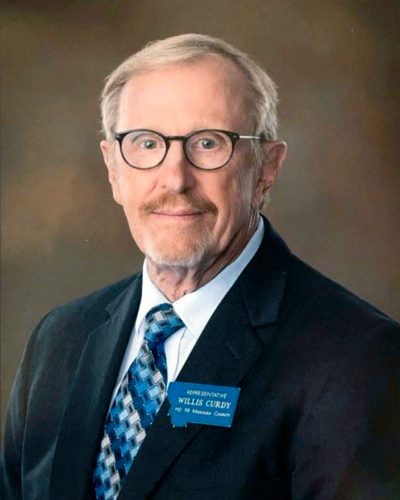
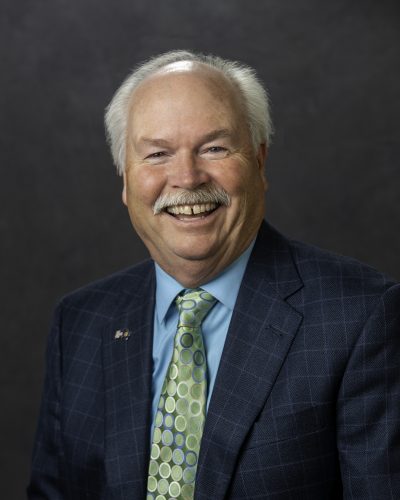
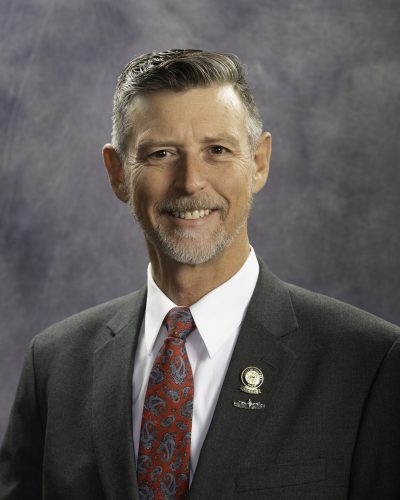
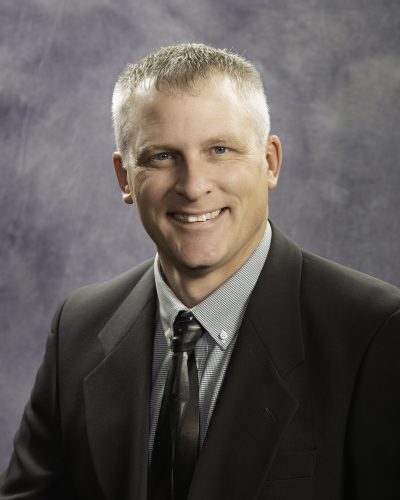
HB 511 creates a $5 million grant program to fund firefighting training facility projects for local fire departments in Montana. The bill provides grants for building, upgrading, or repairing training facilities and purchasing equipment, with limits of $250,000 per project and $500,000 per county. Applicants must provide a 1% cash or service match for grants over $25,000 and follow safety standards, while the Department of Military Affairs administers the program. Funding is authorized for the 2025-2029 biennium and expires June 30, 2031.
HB 349 establishes a temporary program allowing certain retired members of the Teachers' Retirement System (TRS) to return to full-time work for the Superintendent of Public Instruction without losing their retirement benefits. To be eligible, retired teachers must have been receiving benefits for at least two months, have 27 or more years of service, and the Superintendent must certify an inability to find a non-retired qualified applicant for the position. These reemployed retirees can work for a maximum of five years and are exempt from standard earnings limits for retirees. The Superintendent of Public Instruction, as the employer, is required to make contributions to the TRS for these individuals. This act is effective immediately and terminates on June 30, 2031.
This bill revises leave policies for Montana public employees who are veterans or serving in state active duty. It requires time spent in state active duty to count toward annual and sick leave accrual, and increases sick leave for veterans with a 100% disability rating from 12 to 15 working days per year. Employees must provide VA verification to qualify for the enhanced sick leave rate. The changes directly affect public employees with military service or state active duty status, ensuring their service time is fully recognized in leave calculations.
This bill creates a Board of Passenger Ropeway Safety to regulate ski lifts and similar systems in Montana. It requires all ski area operators to register their ropeways with the board through an application process, undergo periodic inspections, and comply with safety rules. The board, appointed by the governor and including ski industry representatives, will issue annual certificates, set safety standards, and collect registration fees. This directly affects ski area operators by imposing new registration and inspection requirements to enhance public safety.
HB 621 allows local first responder entities, including police departments, sheriff's offices, fire departments, and emergency medical service providers, to establish peer support programs. These programs must have a written policy that outlines qualifications for peer supporters, defines peer support sessions, and ensures confidentiality for participants. The bill prohibits qualified peer supporters from testifying about the content of peer support sessions, with exceptions if an employee has committed or plans a crime, or indicates intent to harm themselves or others.
This bill creates a Montana grant program to fund fire department health and safety equipment. It establishes a special account funded by charitable donations and a $10 application fee, allowing fire departments (created under Title 7, Chapter 33) to apply for grants. Grants can cover up to $10,000 per department annually for items like personal protective equipment, saunas, and shower facilities, with priority given to rural departments and those with smaller budgets. Applications require an itemized list of requested equipment, and the program is administered by the Department of Military Affairs' disaster services division.
Tags
Public Safety
HB 360 proposed establishing the Child Care Workforce Recruitment and Retention Support Payment Program, administered by the Department of Public Health and Human Services. This program would have provided monthly payments to eligible child-care facilities, including licensed day-care centers and registered family or group day-care homes, based on their number of child-care workers. The funds were intended to help these facilities recruit and retain qualified child-care workers. Day-care centers and group homes could use the money for personnel costs like wage supplements and bonuses, while family day-care homes also had options for facility costs, equipment, professional development, and mental health support for children. The bill included an appropriation of $59.9 million annually from the general fund for fiscal years 2026 and 2027.
This bill (LC 2994) proposed gradually eliminating the state's social security tax. It would have directly affected wage earners and employers subject to this tax, though the bill never became law. The draft was assigned in December 2024, placed on hold in February 2025, and ultimately died in the legislative process in May 2025. No concrete policy changes were enacted under this proposal.
This bill aimed to revise existing incentives under the TEACH Act to raise starting salaries for new teachers in public schools. It proposed modifying current funding mechanisms to provide increased financial support for school districts hiring entry-level educators. The bill did not advance beyond the drafting stage and was formally marked "Draft Died in Process" on May 24, 2025. As a result, no policy changes were implemented.
SB 331 requires all state-owned or state-operated buildings in Montana to install automatic fire sprinkler systems or equivalent fire suppression systems. This bill amends the state building code to mandate this safety feature for government buildings, including offices, schools, and facilities managed by state agencies. The key provision adds a specific requirement to the building code rules, ensuring all state buildings meet this fire safety standard. It directly affects every Montana state building, enhancing fire protection without applying to private or non-state properties.