










Issue · Immigration

Immigration

Every immigration bill, vote, and legislator stance in Montana, automatically classified by Maddy, our AI policy reader.

Total bills
2
2025 Regular Session
Top supporter
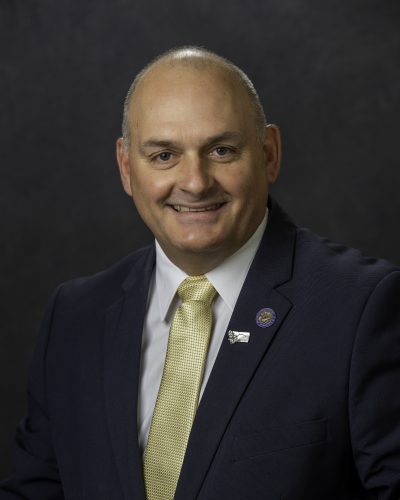
Debo Powers
95% support rate
Top opponent
Morgan Thiel
5% support rate
Ranked legislators
10
5 support · 5 oppose
Key legislators

Who's moving immigration in Montana

Legislators moving immigration in Montana
Legislator Party Stance Support rate Votes
Debo Powers
Debo Powers House · District 3
D
Strong +
95% 252
Kelly Kortum
Kelly Kortum House · District 64
D
Strong +
95% 274
Jane Weber
Jane Weber House · District 19
D
Strong +
95% 253
Becky Edwards
Becky Edwards House · District 61
D
Strong +
95% 263
S.J. Howell
S.J. Howell House · District 100
D
Strong +
93% 281
Morgan Thiel
Morgan Thiel House · District 30
R
Strong −
5% 258
Anthony Nicastro
Anthony Nicastro House · District 50
R
Strong −
5% 252
Neil Duram
Neil Duram House · District 1
R
Strong −
5% 248
Vince Ricci
Vince Ricci Senate · District 27
R
Strong −
7% 241
Amy Regier
Amy Regier House · District 6
R
Strong −
7% 280
Showing 2 of 2 bills

All immigration bills

died · Montana · House May 22, 2025

HB 361: Provide funding to school districts for English language learners

House Bill 361 sought to establish state funding for school districts serving English language learners and provide professional stipends for their teachers. It proposed state matching funds for public school districts that receive federal subgrants for programs supporting students with limited English proficiency. The bill also aimed to provide annual stipends of up to $500 for qualified teachers holding specific certifications in English as a Second Language or culturally and linguistically diverse education. Teachers meeting these qualifications and working in high-poverty or impacted schools could receive an enhanced stipend of up to $1,000, with both the state and school districts contributing to these payments.
signed · Montana · House May 6, 2025

HB 226: Provide for a legal employment and government accountability law

House Bill 226, titled the "Legal Employment and Government Accountability Law," requires employers to verify the legal work authorization of all employees before they start working. Employers must use either the federal E-Verify program or a completed Form I-9 with supporting documents to confirm eligibility. The Department of Labor and Industry is authorized to enforce this law through investigations, audits, and rulemaking. Non-compliance can lead to civil penalties, including fines for each individual employed in violation and potential suspension of business licenses for repeat offenses. A dedicated state special revenue fund will collect these penalties to support the law's implementation and administration.