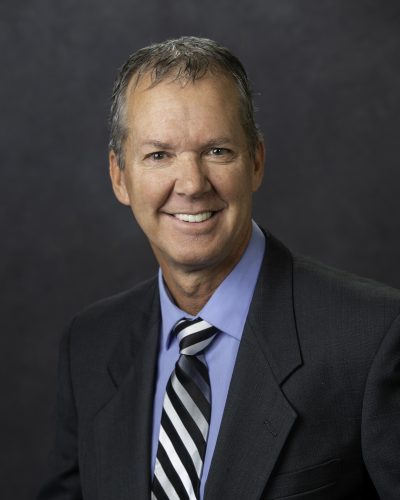
Key legislators
Who's moving housing in Montana
Showing 6 of 6
bills
All housing bills
SB 266 requires Montana cities with populations over 5,000 to allow triplexes (three-unit homes) and fourplexes (four-unit homes) in areas where single-family homes are permitted, without imposing stricter rules than those for single-family properties. The bill mandates that zoning regulations for these multi-unit housing types cannot be more restrictive than those for single-family residences, including limits on parking (max one space per unit) and reduced requirements for lot sizes or building setbacks. It also encourages local governments to adopt additional housing strategies, such as eliminating or reducing off-street parking mandates and permitting accessory dwelling units. This bill directly affects cities meeting the population threshold, aiming to increase housing density options for residents.
HB 931 clarifies that developing single-family or multifamily residential housing can be considered a commercial purpose for leasing state trust land. The bill specifically allows nonprofit corporations to lease state trust land to develop "attainable workforce housing." It revises the definition of "commercial purpose" within state law to include such residential developments under a master lease. This change aims to enable the creation of housing for workers on state-owned land.
SB 337 creates a temporary property tax exemption for land undergoing residential subdivision development. Developers can qualify by applying to the department and prepaying five times the most recent annual property taxes and assessments for the property. This exemption applies to the real property within the subdivision for up to five years, or until a habitable dwelling is built on an individual lot, or until 95% of the lots in the subdivision contain habitable dwellings. The bill's provisions apply to property tax years beginning after December 31, 2025.
SB 133 revises the laws governing impact fees that local governments charge on new development. The bill removes the ability for governmental entities to include an administrative fee within impact charges and limits impact fee increases to the rate of inflation. It also updates definitions related to these fees and details the required documentation for their calculation, such as a service area report.
SB 213 revises the state building code to permit certain residential buildings to be constructed with a single stairwell. This change applies to buildings classified as Group R-2 occupancy, which typically includes apartments or condominiums. To qualify for a single stairwell, these buildings must meet specific safety conditions. These conditions include having no more than six stories, a maximum of four dwelling units per floor, an automatic sprinkler system, and at least one window or emergency exit provision for each unit.
SB 149 revises laws regarding emotional support animals (ESAs) in housing, affecting tenants with disabilities and landlords. The bill allows landlords to request specific documentation from a licensed health care practitioner if a tenant's need for an ESA is not readily apparent. This documentation must come from a practitioner with an established client-provider relationship who has conducted a clinical evaluation and identified the specific therapeutic support the animal provides. The bill also clarifies that ESA registration cards alone are not sufficient proof and holds tenants liable for damages caused by their emotional support animals.