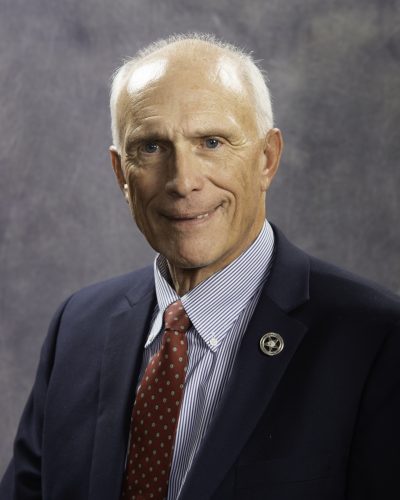
HB 920 establishes a temporary property tax exemption for new senior care facilities and housing development projects. Tax-exempt non-profit organizations sponsoring these projects must first petition a local government, which determines if there is a "compelling need" for the project through a public hearing. If approved by the local government, the sponsor can then apply to the department of revenue for the exemption. This bill aims to encourage the development of various affordable housing and care options for seniors aged 55 or 62 and older.
HB 231 revises property tax laws by establishing reduced tax rates for certain class four residential and commercial properties. It provides a lower tax rate for qualifying owner-occupied principal residences and long-term rental properties, as well as for a portion of commercial property value. For principal residences, some owners will automatically qualify for the reduced rate for tax years 2025 and 2026 based on prior tax rebates or assistance programs. Beginning in tax year 2027, all owners seeking these reduced rates must apply to the department and meet specific eligibility criteria, such as demonstrating occupancy for a principal residence or rental periods for long-term rentals.
HB 713 revises municipal zoning laws, outlining procedures for cities and towns to establish, amend, or repeal zoning regulations, restrictions, and boundaries. It requires public hearings with notice for most zoning changes, but allows for immediate adoption of zone map boundary changes by resolution. The bill also permits municipalities to conduct joint hearings for annexation and zoning under specific conditions, streamlining the process for newly annexed properties. Additionally, it repeals a previous method that allowed for citizen protest of zoning alterations.
HB 346 exempts various grant and loan programs from environmental review requirements under the Montana Environmental Policy Act (MEPA). This bill directly affects the Department of Commerce, Board of Housing, and other commissions by removing the need for environmental assessments when authorizing or administering these specific programs. The exemptions apply to programs supporting microbusiness development, historic preservation, workforce training, housing finance, and other economic development initiatives. This aims to streamline the process for providing financial assistance through these identified programs.
SB 458 expands the types of projects eligible for financing through Commercial Property-Assessed Capital Enhancements (CPACE) programs. It allows commercial, industrial, multifamily housing, and agricultural property owners to finance "public safety and resiliency improvement projects." These projects include enhancements for seismic structural integrity, indoor air quality, resistance to wind, fire, and flooding, power outage resilience, and stormwater control measures. Local governments can establish these programs, enabling property owners to secure third-party financing repaid through a property assessment.
House Bill 162 revises the definition of "infrastructure" for communities that levy a resort tax. This bill expands the types of projects that can be funded by a resort tax to include "workforce and community housing projects." Previously, resort tax funds for infrastructure were primarily allocated to traditional public services like water, sewer, roads, and public safety. This change allows resort communities and areas to utilize resort tax revenue for housing initiatives.
SB 149 revises laws regarding emotional support animals (ESAs) in housing, affecting tenants with disabilities and landlords. The bill allows landlords to request specific documentation from a licensed health care practitioner if a tenant's need for an ESA is not readily apparent. This documentation must come from a practitioner with an established client-provider relationship who has conducted a clinical evaluation and identified the specific therapeutic support the animal provides. The bill also clarifies that ESA registration cards alone are not sufficient proof and holds tenants liable for damages caused by their emotional support animals.
SB 223 amends an existing law to ensure that any interest or income earned from a $12 million fund for workforce housing is retained within that fund. This fund is specifically allocated to assist employees working at state facilities that house state inmates or behavioral health patients, particularly in eligible rural counties. By retaining the earned interest, the bill aims to increase the total resources available for initiatives such as buying down construction costs, providing loans, or acquiring housing for these employees. The bill takes effect immediately and applies retroactively to interest earned on or after June 14, 2023.
SB 252 revises land use laws concerning manufactured and factory-built housing. The bill requires municipal and county zoning regulations to treat these housing types the same as other residential units, preventing differential treatment. It also establishes a rebuttable presumption that placing manufactured or factory-built homes in residential zones will not adversely affect conventional property values. Additionally, the bill includes manufactured housing as an allowable commercial purpose in state trust land leases and provides relevant definitions.
HJ 30 is a joint resolution requesting an interim study on methods to increase housing density and affordability across Montana. The study will be conducted by an appropriate interim committee or staff designated by the Legislative Council. It will investigate incentives for local governments to increase housing density, review state programs supporting housing, and analyze the economic implications of increased density, including property taxes. The study will also identify programs to fund water and wastewater systems for local governments, with final results reported to the 70th Legislature by September 15, 2026.