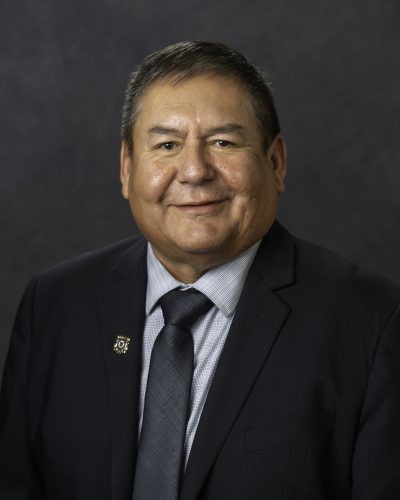
HJ 35 is a joint resolution from the Montana Legislature urging federal officials to modify current federal land management and wildfire policies. It calls for an aggressive initial attack on wildfires across all federal lands and for federal forest roads to remain open for access and fire suppression. The resolution also recommends that EPA air quality standards include wildfire smoke and that federal "let it burn" policies be reversed, ensuring NEPA processes are followed. Finally, it advocates for increased involvement of state and local governments and stakeholder groups in federal fire management decisions to protect Montana's communities.
HJ 34 is a Joint Resolution from the Montana Legislature expressing strong support for Montana's beef producers, recognizing their vital role in the state's economy and culture. It calls on state and federal governments to prioritize policies that ensure fair market conditions, reduce regulatory burdens, and facilitate better trade relationships for Montana beef. The resolution encourages sustainable beef production practices and opposes federal or state proposals, such as those associated with the Green New Deal, that would impose excessive regulations or taxes on the industry. Additionally, it strongly opposes the promotion, production, and sale of lab-grown "meat" as a substitute for natural beef.
SB 221 revises the Montana Environmental Policy Act (MEPA) by establishing new requirements for greenhouse gas (GHG) assessments during state agency environmental reviews. Under this bill, state agencies are mandated to conduct GHG assessments for proposed actions classified as "fossil fuel activities." For other proposed actions, agencies may conduct a GHG assessment if deemed necessary for MEPA compliance. The bill clarifies that these assessments are for informational purposes, and state agencies cannot regulate greenhouse gas emissions or deny permits based solely on these GHG assessments under MEPA. This affects Montana state agencies conducting environmental reviews and entities proposing fossil fuel-related projects.
House Bill 466 amends the Montana Environmental Policy Act (MEPA) by formally defining and allowing state agencies to identify "categorical exclusions." These exclusions are actions determined to have no significant impact on the human environment and are therefore exempt from requiring an environmental analysis or impact statement. The bill also provides specific exemptions from MEPA review for activities such as building construction by the Department of Administration and historic preservation grants by the Department of Commerce. State agencies are required to track and report their use of these categorical exclusions.
This resolution from the Montana House of Representatives urges the state's Fish and Wildlife Commission to protect the traditional November mule deer hunt. It specifically asks the Commission to retain the current timing of the hunt, including the opportunity to harvest bucks during the rut, and to avoid moving the season earlier into October. The resolution also recommends restricting antlerless mule deer harvest in areas with declining populations. Furthermore, it suggests guidelines for any buck harvest restrictions, such as limiting their scope to a maximum of 20% of districts and incorporating biological triggers like buck-to-doe ratios.
SB 190 allows individuals or entities applying for new water use permits or changes to existing water rights to streamline their application process. This is achieved by enabling existing water right holders to voluntarily provide written consent. If consent is given, the applicant is no longer required to prove that their proposed water use will not negatively affect the specific consenting water rights. This change aims to simplify the permit approval process under certain conditions.
HB 64 repeals Montana's Small Business Compliance Assistance Advisory Council and removes its references from air quality regulations. The bill amends the duties of a small business stationary source representative, eliminating requirements for them to consult with the now-repealed council. This directly affects Montana small businesses subject to air quality regulations, as the council previously provided input on compliance challenges. The change streamlines the representative's role by removing council-related obligations while keeping their core responsibilities for assisting small businesses with regulatory compliance.