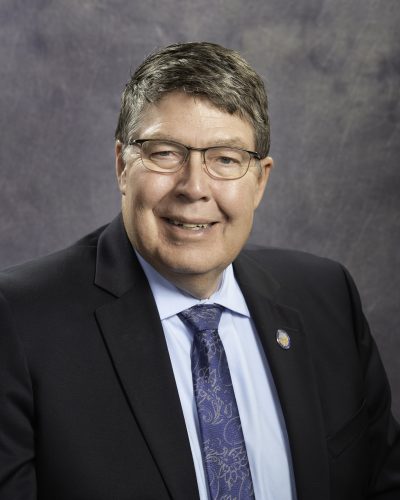
Key legislators
Who's moving energy in Montana
Showing 6 of 6
bills
All energy bills
SB 171 requires that 10% of excess state general fund revenue, after meeting budget stability and capital projects fund thresholds, be transferred to the Montana coal severance tax permanent fund (coal trust fund). This bill amends Montana's budget law to direct a portion of surplus funds - specifically, funds exceeding established reserve levels - to the coal trust fund instead of remaining in the general fund. The transfer applies when the budget stabilization reserve fund and capital projects fund exceed 16% and 12% of general revenue appropriations, respectively. The coal trust fund, which supports coal-related programs, would receive this additional funding without altering the state's primary budget processes.
HB 623 establishes the conditions under which temporary spent nuclear fuel storage facilities can be sited within the state. It specifies that such facilities must be located on the site of an existing nuclear power generating facility and store fuel produced by that facility. Authorization for these facilities also requires a state recommendation from the Department of Environmental Quality (DEQ) and a license from the federal Nuclear Regulatory Commission. The bill amends existing law to clarify the DEQ's role in reviewing federal applications for these facilities, requiring applicants to submit their federal applications to the DEQ and pay a fee for the department's review and participation in federal proceedings.
Senate Bill 333 repeals the termination date for the existing coal severance tax coal washing credit. This credit, previously set to expire on July 1, 2027, will now continue indefinitely. The bill directly affects coal mining companies and processors that utilize coal washing and are subject to the coal severance tax, allowing them to continue claiming this tax credit.
HB 703 exempts specific state and local agencies in Montana from analyzing greenhouse gas emissions during certain environmental reviews. The bill states that the state department and local building departments are no longer required to analyze greenhouse gas emissions from covered appliances when adopting or enforcing building codes. It also exempts the state department from analyzing greenhouse gas emissions from new motor vehicles, engines, and nonroad vehicles, and emissions originating outside the state's borders. The bill cites federal preemption laws as the basis for these exemptions from environmental review.
House Bill 696 establishes a framework for the legislative approval of spent nuclear fuel reprocessing facilities within Montana. It authorizes such facilities if they reprocess fuel from in-state or out-of-state sources, receive a state recommendation from the Department of Environmental Quality, and obtain a federal license from the Nuclear Regulatory Commission. The bill also amends existing law, requiring companies applying to federal energy or nuclear regulatory commissions to notify the state's Department of Environmental Quality and pay a fee to support the department's review and participation in federal proceedings.
House Joint Resolution 17 is a resolution from the Montana Legislature urging the U.S. Congress and President to take actions to promote American energy production. It calls for reforming and streamlining federal permitting obligations and revising environmental regulations that are deemed not to align with national security interests. The resolution specifically recommends that the Environmental Protection Agency immediately review and potentially suspend, revise, or rescind certain power plant regulations issued in May 2024.