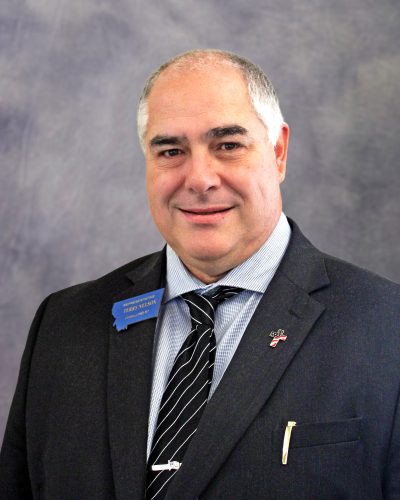
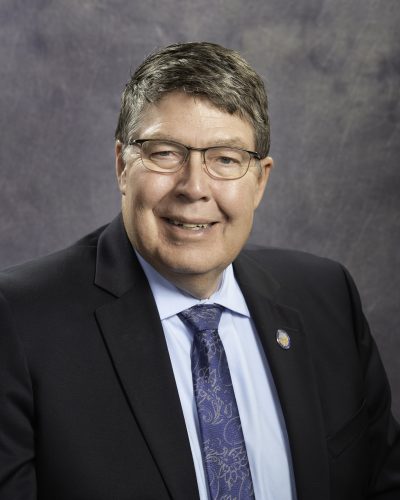
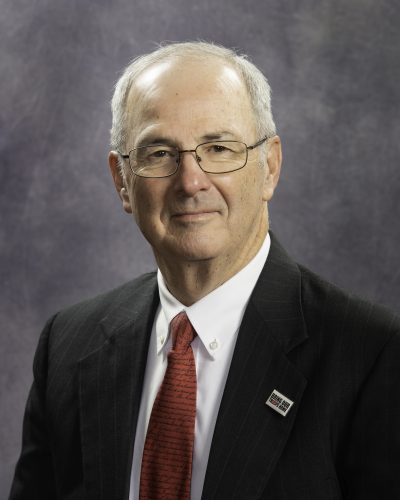
Key legislators
Who's moving energy in Montana
Showing 5 of 5
bills
All energy bills
SB 171 requires that 10% of excess state general fund revenue, after meeting budget stability and capital projects fund thresholds, be transferred to the Montana coal severance tax permanent fund (coal trust fund). This bill amends Montana's budget law to direct a portion of surplus funds - specifically, funds exceeding established reserve levels - to the coal trust fund instead of remaining in the general fund. The transfer applies when the budget stabilization reserve fund and capital projects fund exceed 16% and 12% of general revenue appropriations, respectively. The coal trust fund, which supports coal-related programs, would receive this additional funding without altering the state's primary budget processes.
HB 941 proposed to transfer all interest earnings generated from federal American Rescue Plan Act (ARPA) funds. The bill directed the state treasurer to move these earnings into the coal severance tax permanent fund. It also included a small appropriation of $100 to the Department of Revenue for implementing the act. The bill specified alternative destinations for the funds and adjustments to other legislation, depending on the passage of related bills.
HB 858 aimed to revise the coal severance tax coal washing credit in Montana. The bill proposed to extend the termination date for specific definitions related to "coal washing" and "contract sales price," which are used to calculate this tax credit. If passed, these definitions, relevant to coal mining operations, would have remained in effect until July 1, 2027, rather than expiring earlier. The bill also included a provision for notifying tribal governments about the act.
HB 55 revises the laws governing how public utilities plan for their customers' future energy needs. It requires public utilities to submit detailed resource plans every three years, including evaluations of renewable energy and demand-side management scenarios, and to hold more public meetings before submitting these plans. The bill establishes a special revenue account within the Department of Environmental Quality to fund an independent evaluator, paid for by fees charged to public utilities, who will assist in reviewing these plans. Additionally, the state commission can now engage independent consultants to evaluate utility plans, with these costs being recoverable in rates charged to customers.
SB 228 revises laws related to public electric vehicle (EV) charging stations, affecting EV owners and charging station operators. The bill imposes a 3-cent per kilowatt-hour tax on electricity delivered to public charging stations, with specific effective dates for new and existing stations. It mandates that all public charging stations install a separate electric meter, with the owner responsible for installation costs. Additionally, the bill eliminates a future 30% reduction in state registration fees for electric vehicles. Public charging station operators are also required to register with the state and disclose their charging rates.