Issue · Education

Education

Every education bill, vote, and legislator stance in Montana, automatically classified by Maddy, our AI policy reader.

Total bills
12
119th Congress
Top supporter
Tim Sheehy
57% support rate
Top opponent
Troy Downing
33% support rate
Ranked legislators
4
2 support · 2 oppose
Key legislators

Who's moving education in Montana

Legislators moving education in Montana
Legislator Party Stance Support rate Votes
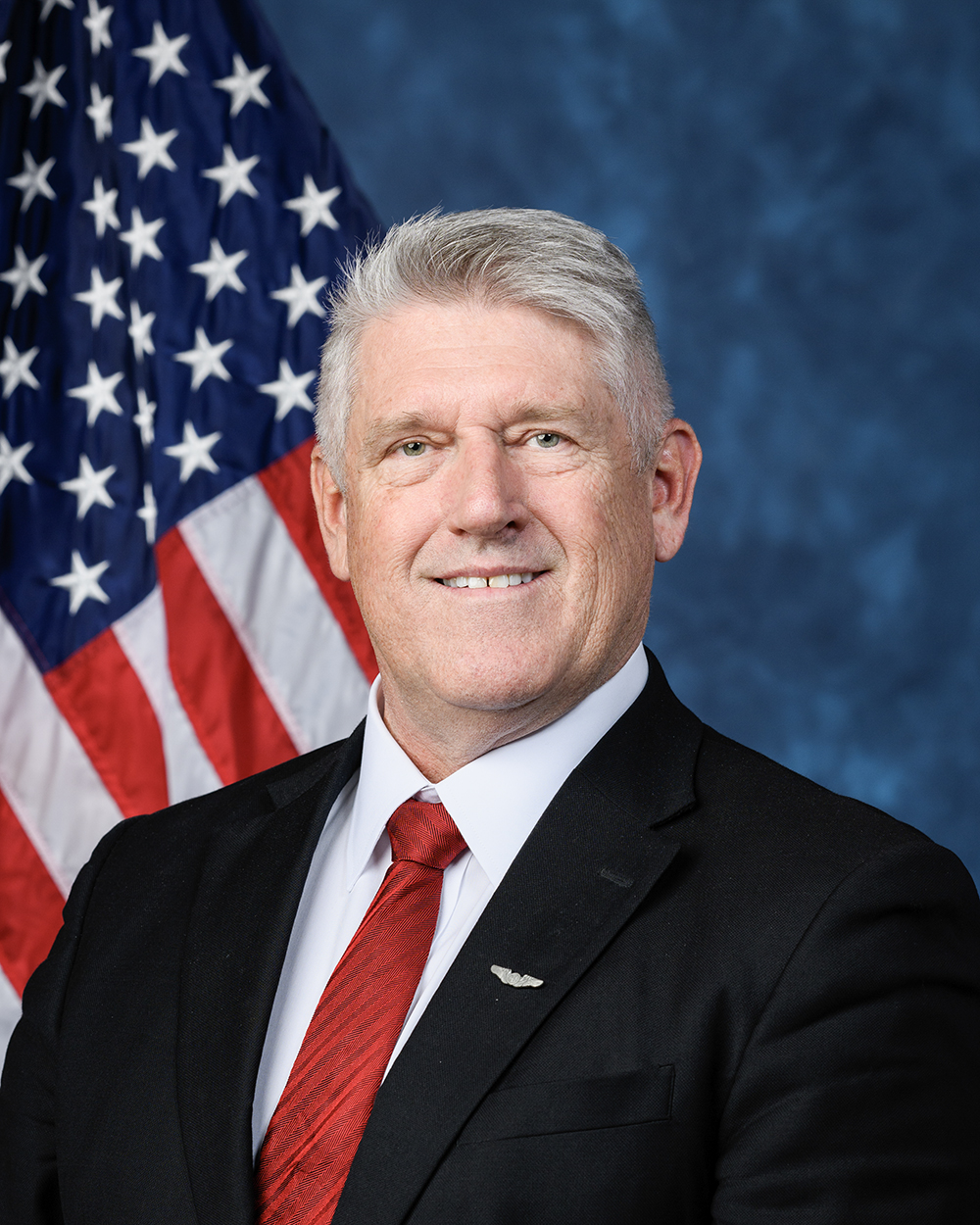
Tim Sheehy
Tim Sheehy Senate
R
Mixed
57% 168
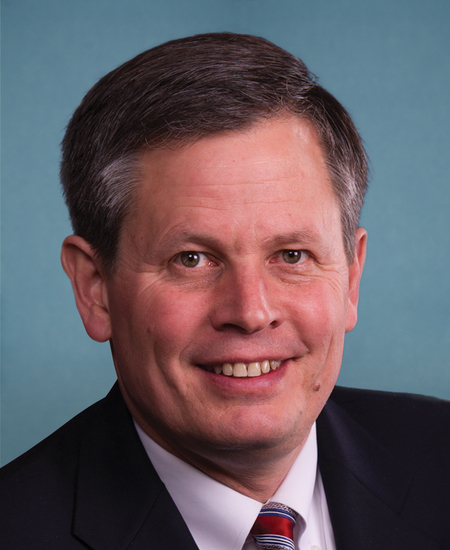
Steve Daines
Steve Daines Senate
R
Mixed
57% 166
Troy Downing
Troy Downing House · District 2
R
Oppose
33% 131
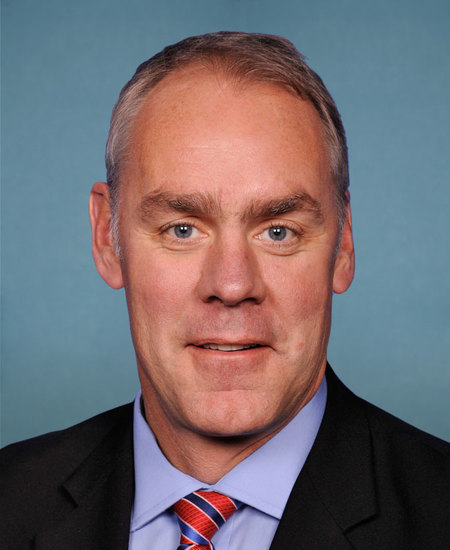
Ryan K. Zinke
Ryan K. Zinke House · District 1
R
Oppose
33% 127
Showing 1–10 of 12 bills

All education bills

in committee · United States · Senate Jul 30, 2026

S 5179: Title IX Clarification Act of 2026

The Title IX Clarification Act of 2026 amends the federal law prohibiting sex discrimination in education to explicitly define "sex" based on biological characteristics. Specifically, it states that sex refers to an individual's biologically determined status as male or female. The bill further defines "female" as someone with a reproductive system that produces ova and "male" as someone with a reproductive system that produces sperm, regardless of congenital anomalies or accidents. These definitions apply to all education programs receiving federal financial assistance starting on the date the law is enacted.
in committee · United States · Senate Jul 30, 2026

S 5202: Protecting Our Kids from Harmful Research Act

The Protecting Our Kids from Harmful Research Act prohibits the use of federal funds to support research or publications regarding gender transition for individuals under the age of 18. This restriction specifically targets studies that aim to affirm a minor's perception or identity when it differs from their sex assigned at birth, as defined by their reproductive biology and genetics. The bill directly affects federal agencies and institutions that might otherwise receive funding to conduct such observational studies on hormonal treatments or surgical procedures for minors. By limiting financial support, the legislation seeks to prevent government resources from being used for research that challenges the biological definition of sex at birth.
in committee · United States · Senate May 21, 2026

S 4629: Government Bailout Prevention Act

The Government Bailout Prevention Act prohibits the use of federal funds, Treasury resources, or Federal Reserve assistance to support state, local, or school district governments facing financial distress starting January 1, 2026. Specifically, the bill bars the government from purchasing or guaranteeing debt for entities that have filed for bankruptcy, defaulted on obligations, or are at risk of defaulting without such help. This restriction also covers debt restructuring activities but includes an exception for financial aid provided in response to declared disasters.
in committee · United States · Senate Mar 26, 2025

S 1147: Defining Male and Female Act of 2025

This bill defines biological sex for federal law by amending Title 1 of the U.S. Code. It specifies that "female" means a person biologically characterized by egg-producing systems at conception, "male" means sperm-producing systems at conception, and "gender identity" is not recognized as replacing biological sex in federal contexts. The law directly affects all federal agencies, departments, and laws requiring interpretation of terms like "sex," "female," or "male" by mandating these biological definitions. It does not create new programs or funding but changes how federal agencies must interpret existing laws and regulations.
in committee · United States · Senate Jan 23, 2025

S 207: Protecting Life on College Campus Act of 2025

This bill prohibits federal funding (directly or indirectly) for colleges and universities that host or are affiliated with campus health clinics providing abortion drugs or abortions to students or staff. Institutions must submit annual reports certifying no such services are offered to remain eligible for federal funds. The law also prevents states from penalizing schools for complying with this funding restriction. It specifically defines "abortion drugs" and "school-based service sites" (excluding hospitals) to clarify coverage.
in committee · United States · House Jul 2, 2026

HR 7661: Stop the Sexualization of Children Act

This bill prohibits federal funding under the Elementary and Secondary Education Act for any program, activity, literature, or material provided to children under 18 that includes "sexually oriented material," defined as depictions of explicit conduct or content involving gender dysphoria or transgenderism. It exempts standard science courses (like biology and anatomy), religious texts, and specific "classic" works of literature and art listed in designated references (e.g., *Great Books of the Western World* and Smarthistory guides). The law directly affects federally funded K-12 educational programs, restricting how school districts can use federal dollars for curriculum materials. It does not ban teaching about human anatomy, art history, or literature, as those are explicitly excluded from the definition of prohibited material.
in committee · United States · Senate Apr 9, 2025

S 1402: Returning Education to Our States Act

The Returning Education to Our States Act would terminate the U.S. Department of Education and transfer its functions to other federal departments, including moving elementary and secondary education block grants to the Department of Health and Human Services, student financial assistance to the Department of Treasury, and career and technical education programs to the Department of Labor. The bill would repeal most of the General Education Provisions Act but preserve FERPA (Family Educational Rights and Privacy Act) protections for student records. Specific programs like Native American education would transfer to the Department of Interior, while special education programs would move to the Department of Health and Human Services. The transfer would occur one year after enactment, fundamentally reorganizing federal education administration by shifting oversight from the Department of Education to other executive branch departments.
in committee · United States · Senate Jan 23, 2025

S 227: PEACE Act of 2025

S 227, the PEACE Act of 2025, prohibits the use of federal education funds for curriculum, teaching, or counseling that promotes or compels specific "divisive concepts" related to race. It directly affects schools receiving federal funding under the Elementary and Secondary Education Act by banning the use of those funds for materials teaching ideas like "one race is inherently superior," that "the United States is fundamentally racist," or that individuals bear responsibility for past racial actions based solely on their race. The bill defines prohibited concepts to include race stereotyping (assigning traits to races), race scapegoating (blaming a race for problems), and claims that meritocracy is racist. This amendment to the Elementary and Secondary Education Act would require schools to avoid these specific topics when using federal education funds. The law focuses on restricting the use of federal money for certain instructional content, not on banning all discussions of race or history.
Sub-Topics Curriculum
in committee · United States · Senate Jul 10, 2025

S 2251: Say No to Indoctrination Act

This bill amends federal education law to prohibit public schools from teaching concepts related to "gender ideology," as defined by a specific executive order. It directly affects K-12 public schools receiving federal funding by banning instruction on certain gender-related topics. The key provision adds a new restriction to the Elementary and Secondary Education Act, explicitly forbidding the teaching of these concepts in classrooms. The bill does not specify which topics are covered, only referencing the executive order's definition. This change applies to all federally funded elementary and secondary schools.
Sub-Topics K-12 Education
in committee · United States · House Jan 22, 2025

HR 632: Protecting Life on College Campus Act of 2025

HR 632 prohibits federal funding (directly or indirectly) for colleges and universities that host or are affiliated with campus health clinics providing abortion drugs or abortions to students or employees. Institutions must annually certify to federal education and health agencies that no such services are offered at their campus sites. The bill defines "abortion drugs" broadly as any medication intended to terminate pregnancy (excluding cases for live birth, miscarriage management, or ectopic pregnancy treatment). This policy directly affects institutions receiving federal funds, requiring them to ensure campus health services comply with the prohibition to maintain eligibility.
Showing 1 to 10 of 12 bills
1 2 Next