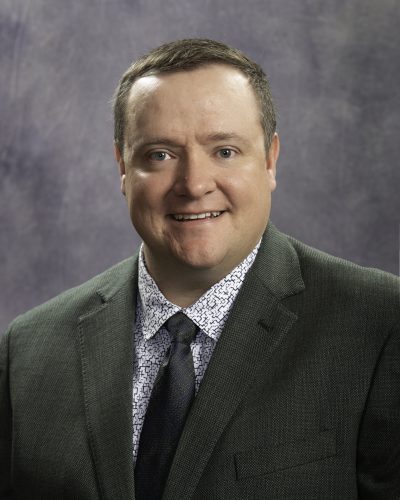
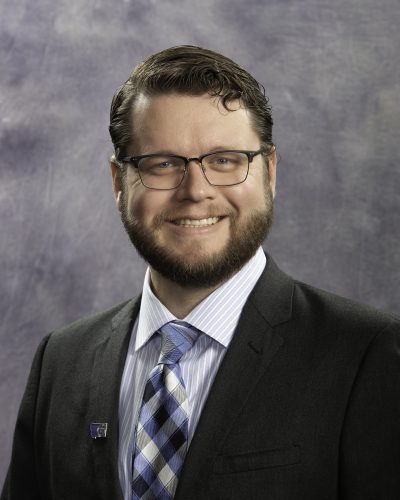
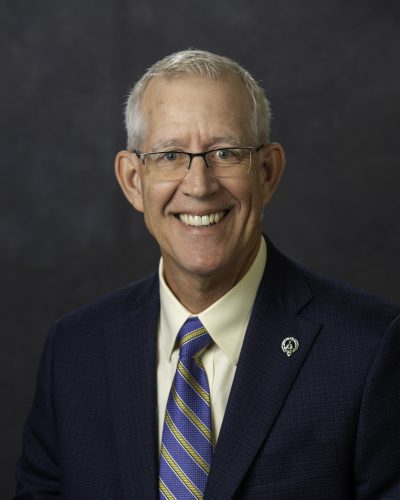
HB 85 reinstates former employer contribution rates for four specific public employee retirement systems: the Judges', Highway Patrol Officers', Sheriffs', and Game Wardens' and Peace Officers' Retirement Systems. This directly impacts the governmental entities that employ these personnel and contribute to their pensions. The bill also amends the state's property tax levy calculation procedures, outlining how local governments determine their maximum mill levies based on factors like prior year assessments and newly taxable property. It specifically exempts certain levies, such as those funding the sheriffs' retirement system, from these new
This bill revises state law to provide a continuous, automatic funding mechanism for the state's reinsurance program. It designates assessments collected from members of the reinsurance association, along with any earned interest, as statutorily appropriated. This means these funds can be spent by the program's administrator, the commissioner, without requiring new legislative approval each budget cycle. The money is specifically for covering the administration, operation, and claims expenses of the reinsurance program.
House Bill 421 increases the fire protection assessment rates collected by the Department of Natural Resources and Conservation (DNRC). This bill directly affects owners of forest land located within a wildland fire protection district or under contract for fire protection services. It raises the maximum annual fee per landowner from $50 to $58.70 and increases the additional per-acre charge from 30 cents to 49 cents for land exceeding 20 acres. These new assessment rates are set to take effect on July 1, 2025.
SB 326 revises Montana's MEDIA Act film tax credits, extending them through 2045 and increasing the aggregate credit limit. The bill provides additional tax credits for production companies that hire veterans and enrolled tribal members. It establishes a fee for unused allocated credits, with these funds directed to a new film industry workforce training account to support workforce development. These changes aim to expand job opportunities and encourage investment in Montana's media manufacturing sector.
HB 881 proposed to revise the existing Medicaid buy-in program to include children with disabilities. This would expand eligibility for the program, allowing more children with disabilities to access Medicaid services. The bill also included an appropriation and extended rulemaking authority for the relevant department to implement these changes. It aimed to amend specific sections of Montana law concerning Medicaid administration and eligibility requirements.
HB 880 establishes the Medicaid Stabilization Reserve Account, a state special revenue fund designed to help maintain Medicaid benefits during state revenue shortfalls. The account would be primarily funded by transferring any unused state general fund appropriations for Medicaid at the end of a fiscal year. Funds from this account could only be appropriated by the legislature for state Medicaid matching funds after the budget director certifies a projected general fund deficit. This mechanism aims to mitigate expenditure reductions in the Medicaid program, directly affecting the stability of services for beneficiaries. The bill also includes an initial appropriation of $50,000 for state Medicaid matching funds.
House Bill 855 establishes a dedicated funding mechanism for projects aimed at reducing wildlife-vehicle collisions across Montana. It authorizes the Fish and Wildlife Commission to create a specialty license plate, with a $20 donation from its sale and renewal deposited into a new "Big Game and Wildlife Highway Crossings and Accommodations Account." Funds in this account, which also accepts gifts and grants, are statutorily appropriated to the Department of Fish, Wildlife, and Parks. These funds will be used for the design, construction, maintenance, and study of wildlife crossings and related accommodations on state roadways, improving safety for both drivers and wildlife.
This bill revises and expands supplemental employer contributions to several state retirement systems, directly impacting state and local government employers and the retirement funds for their employees. For the Public Employees' Retirement System (PERS), it extends the schedule of increasing supplemental employer contributions through fiscal year 2035 and then sets a higher rate. Additionally, the bill introduces new supplemental employer contribution rates for the Highway Patrol Officers' Retirement System, the Sheriffs' Retirement System, and the Game Wardens' and Peace Officers' Retirement System. These new contributions are intended to help address unfunded liabilities and cover the normal cost of benefits for these specific systems.
SB 133 revises the laws governing impact fees that local governments charge on new development. The bill removes the ability for governmental entities to include an administrative fee within impact charges and limits impact fee increases to the rate of inflation. It also updates definitions related to these fees and details the required documentation for their calculation, such as a service area report.
House Bill 411 (HB 411) exempts agricultural property from local property tax levies that are used to fund open space initiatives. This means that owners of land classified as agricultural will no longer be required to pay the portion of their property taxes designated for open space purposes. The bill also allows counties to reduce any open space payments made to agricultural properties that are now exempt from these levies. This change applies retroactively to property tax years beginning on or after January 1, 2025.