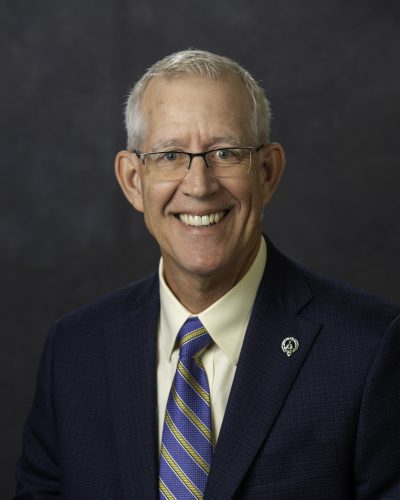
SB 322 increases Montana's tax exemption for business equipment by setting a $500 threshold, meaning equipment costing under $500 would be automatically exempt from taxation. It also requires annual inflation adjustments to the exemption amount and modifies tax code sections to clarify definitions and eligibility. Local governments and tax increment financing districts would receive reimbursements for lost property tax revenue due to these changes. The bill directly affects Montana businesses purchasing equipment under $500 and local governments managing property tax revenue.
SB 321 proposes three tax credits to support Montana families and child-care providers. It would provide a $1,200 annual credit per child under age 5 for eligible residents (with income limits of $40,000 single/$80,000 married filing jointly), a $1,000 credit for child-care workers employed at least 6 months (20+ hours weekly), and a $2,500 employer credit for businesses offering dependent care assistance. All credits adjust annually for inflation and require filing a Montana tax return. The bill directly affects low-to-moderate-income families, child-care workers, and employers who provide on-site or subsidized care. (Note: The bill died in committee on May 23, 2025, and did not become law.)
SB 90 would provide property tax relief to Montana homeowners with primary residences by using lodging and rental car tax revenue. Homeowners would need to apply for certification by March 1, proving they live in the home at least 7 months yearly and that the property value is under $1 million. Counties would apply the credit directly to property tax bills using annual funding based on certified residences, with penalties for false applications. The bill specifies that assistance won’t affect local mill rates and requires Department of Revenue certification of eligible primary residences.
SB 324 revises vehicle registration fees for high-end vehicles, adding a 1% fee based on the vehicle's manufacturer's suggested retail price (MSRP) for the first year of registration after January 1, 2026, for cars over $150,000 and motorhomes over $300,000. It directly affects owners of these high-value vehicles, replacing a flat annual add-on fee with the percentage-based assessment. Revenue from these fees will fund two specific programs: grants for bridge projects through the Department of Transportation and services for crime victims via the Board of Crime Control. The bill also updates related sections of Montana law governing registration fees and special revenue accounts.
HB 848 aimed to provide dedicated funding for regional rail authorities in the state. The bill proposed creating a "Big Sky Rail Account" within the state special revenue fund, which would receive a portion of rental car sales and use tax proceeds. The Department of Transportation would then annually distribute these funds to eligible regional rail authorities. These authorities could use the money for administrative costs, matching federal grants, fostering partnerships, and planning, developing, and operating rail projects and services, such as enhancing safety, improving stations, and exploring new train routes.
HB 560 would have established a Montana Hunters' and Anglers' Community Fund, allowing donors to contribute $1 or more above the cost of wildlife conservation licenses. Funds collected would support grants for small rural communities (under 7,500 people) through the Department of Commerce, including projects like school improvements, food banks, or student programs. Grants would be limited to $2,000 (small) or $20,000 (large), with eligibility restrictions barring political activities and entities involved in lawsuits. The bill created a review board appointed by legislative leaders and the governor, and it died in committee in May 2025 without becoming law.
House Bill 361 sought to establish state funding for school districts serving English language learners and provide professional stipends for their teachers. It proposed state matching funds for public school districts that receive federal subgrants for programs supporting students with limited English proficiency. The bill also aimed to provide annual stipends of up to $500 for qualified teachers holding specific certifications in English as a Second Language or culturally and linguistically diverse education. Teachers meeting these qualifications and working in high-poverty or impacted schools could receive an enhanced stipend of up to $1,000, with both the state and school districts contributing to these payments.
HB 528 revises Montana property tax rates for agricultural, residential, and commercial property. It lowers the tax rate for class three agricultural land from 2.16% to 1.7% of its productive capacity value, and reduces the tax rate for class four residential property from 1.35% to 0.76% of market value. Commercial property rates remain at 1.35% of market value but include specific adjustments for properties over $1.5 million in value. The bill applies retroactively to tax years beginning after December 31, 2024, and the 2025 reappraisal cycle.
HB 836 proposed creating a property tax deferral loan program for eligible senior citizens and active-duty military personnel in Montana. This program would allow qualifying homeowners to defer paying the portion of their property taxes that exceeds their 2022 property tax amount. The state's Board of Housing would provide these loans, which would accrue simple interest and become a lien on the primary residence. The loan, including interest, would generally be repaid when the property is sold or transferred, or upon the death of the homeowner, though a surviving spouse might be able to assume the loan.
House Resolution 7 (HR 7) requests that members of the Montana State Legislature, when introducing or amending bills to include new spending, also identify existing programs from which funds would be reallocated to cover those new appropriations. This means any bill proposing new expenditures would need to specify how those funds would be offset within the state budget.