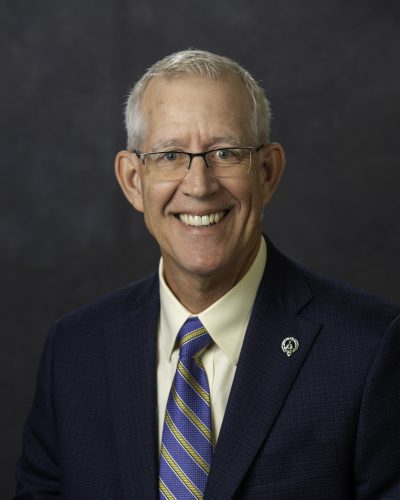
HB 148 proposes to exempt Social Security benefits from the state income tax in Montana. This bill would revise existing tax laws by amending specific sections of the Montana Code Annotated related to income tax definitions. If passed, it would directly affect individuals in Montana who receive Social Security income by eliminating their state tax liability on those benefits. The bill also specifies a delayed effective date and an applicability date for these changes.
HB 373 aimed to revise the allocation of excess state lottery revenue, dedicating it to education funding instead of the state general fund. The Office of Public Instruction would distribute these funds quarterly to school districts based on a per-quality-educator formula. Districts would deposit these funds into their school flexibility funds, which could be used for various expenditures, including teacher salaries, benefits, housing, technology enhancements, and facility improvements.
HB 366 proposed to appropriate a total of $5 million from the state's general fund to the Department of Justice over two fiscal years, starting July 1, 2025. This funding was intended to reimburse Lake County. The reimbursement was for the county's role in assuming felony criminal jurisdiction over members of federally recognized tribes and the Indian territory of the Flathead Indian reservation, a responsibility undertaken due to Public Law 280. The bill indicated that this appropriation was meant to be an ongoing part of the state budget until Montana ends its participation in Public Law 280.
HB 951 proposed a one-time transfer of $30 million from the state's general fund to the local road and bridge account. This action would have directed the state treasurer to complete the transfer by July 15, 2025. The funds were intended to support local road and bridge projects throughout the state, benefiting communities and their infrastructure.
HB 329 aims to encourage the formation of ammunition component manufacturing businesses in Montana. It establishes various state tax exemptions for qualified manufacturers, including property, individual income, corporate income, and other business-related taxes. To receive these exemptions, manufacturers must make their products available to in-state consumers at prices no higher than those for out-of-state purchasers. Additionally, the bill provides individual and corporate income tax exemptions to investors and lenders who provide loans to these eligible ammunition component manufacturers.
SB 253 revises the administrative and certification processes for student scholarship organizations (SSOs) in Montana. The bill requires SSOs to apply for certification from the Department of Revenue and outlines specific requirements they must meet to be certified and accept tax-credit eligible donations. It mandates that SSOs allocate at least 90% of their annual revenue from eligible donations for scholarships and ensures a parent's right to select an education provider. The legislation aims to increase transparency and accountability for these organizations.
Senate Bill 333 repeals the termination date for the existing coal severance tax coal washing credit. This credit, previously set to expire on July 1, 2027, will now continue indefinitely. The bill directly affects coal mining companies and processors that utilize coal washing and are subject to the coal severance tax, allowing them to continue claiming this tax credit.
SB 117 revises property tax laws for governmental entities, affecting how local governments in Montana calculate their property tax levies. It modifies the maximum allowable inflation-based increase for property tax levies and changes how revenue from newly taxable property is factored into these calculations. The bill also allows cities and counties to establish a "large taxpayer reserve account," requiring them to deposit a percentage of revenue from newly taxable property into it. These funds are restricted and can only be used for specific purposes, such as reducing future mill levies or attracting new industry, if a major taxpayer experiences a significant drop in value or ceases operations.
SB 177 authorizes the Community Choice School Commission to seek and receive public funding. The bill also clarifies the commission's existing ability to accept and spend gifts and donations from private individuals and entities. These changes directly impact the financial operations of the Community Choice School Commission, which is responsible for approving authorizers for choice schools across the state. This allows the commission to broaden its sources of financial support.
HB 650 revises state bonding laws by expanding the definition of "project" to include facilities that provide broadband service. This change allows municipalities and counties to issue bonds to fund projects aimed at delivering broadband services. Specifically, it targets areas where existing broadband speeds are below 100 megabits per second download and 20 megabits per second upload. The bill provides a mechanism for local governments to finance the development of high-speed internet infrastructure in underserved locations.