

Issue · Healthcare
Healthcare (Mental Health)
Every healthcare bill, vote, and legislator stance in Missouri, automatically classified by Maddy, our AI policy reader.
Total bills
69
2026 Regular Session
Top supporter
Ian Mackey
100% support rate
Top opponent
Doug Beck
0% support rate
Ranked legislators
10
5 support · 5 oppose
Key legislators
Who's moving mental health in Missouri
| Legislator | Party | Stance | Support rate | Decisive votes |
|---|---|---|---|---|

Ian Mackey
House · District 99
|
D |
Strong +
|
100% | 8 |
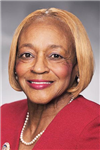
Marlene Terry
House · District 66
|
D |
Strong +
|
100% | 7 |

Tricia Byrnes
House · District 63
|
R |
Strong +
|
100% | 7 |
Brandon Phelps
House · District 54
|
R |
Strong +
|
100% | 6 |

Bridget Moore
House · District 93
|
D |
Strong +
|
100% | 6 |
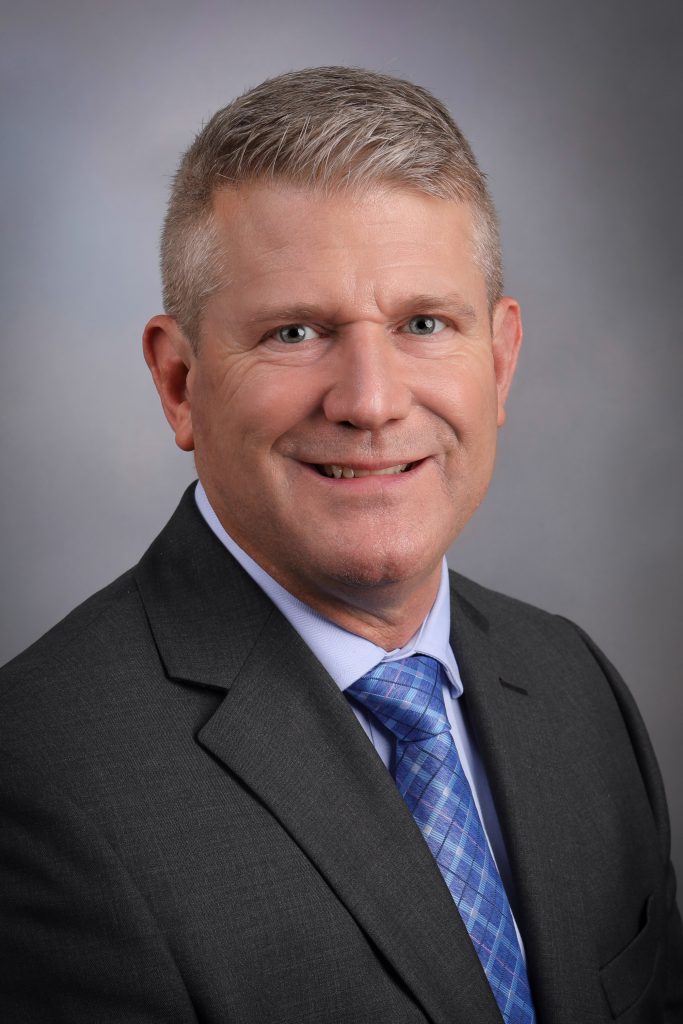
Doug Beck
Senate · District 1
|
D |
Strong −
|
0% | 3 |

Maggie Nurrenbern
Senate · District 17
|
D |
Strong −
|
0% | 3 |
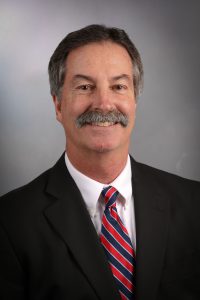
Mike Moon
Senate · District 29
|
R |
Strong −
|
0% | 3 |

Patty Lewis
Senate · District 7
|
D |
Strong −
|
0% | 3 |

Tracy McCreery
Senate · District 24
|
D |
Strong −
|
0% | 3 |
Showing 21–30 of 69
bills
All healthcare bills
SB 1591: Authorizes a tax credit for contributions to prevention resource centers
Topics
✓ Budget & TaxesSupports Budget & TaxesAuthorizes tax credit reducing donor liability, providing tax relief per support indicators; directly addresses taxation mechanism without defunding or restricting budgets.
✓ HealthcareSupports HealthcareTax credit incentivizes donations to prevention resource centers, advancing public health funding without restrictions. Prevention centers align with healthcare policy goals per topic description.
SB 988: Establishes the Dentist and Dental Hygienist Compact
HB 3024: Modifies provisions governing mental health efforts in public schools
Topics
✓ EducationSupports EducationMandates suicide prevention training for educators, 988 lifeline on IDs, and mental health instruction in schools, directly strengthening student mental health support within educational settings.
✓ HealthcareSupports HealthcareMandates suicide prevention training, 988 lifeline integration, and mental health instruction in schools, directly strengthening mental health services per bill subjects and indicators.
HB 2882: Authorizes a tax credit for charitable contributions to certain organizations providing mental health services to veterans
Topics
✓ Budget & TaxesSupports Budget & TaxesCreates tax credit reducing income tax liability for donations to veteran mental health nonprofits, providing tax relief to incentivize public service funding.
✓ HealthcareSupports HealthcareProvides tax incentives to fund mental health services for veterans via charitable donations, directly advancing mental health care access.
✓ VeteransSupports VeteransCreates 70% tax credit for donations to nonprofits providing veteran mental health services, directly funding and expanding access to veteran healthcare programs.
HB 3055: Modifies provisions relating to the ordering and administration of ketamine for mental health purposes
HB 2779: Establishes provisions relating to jail reimbursement by the department of mental health
Topics
✓ Criminal JusticeSupports Criminal JusticeShifts reimbursement responsibility to DMH for mental health inmates, increasing funding ($150/day) to address mental fitness cases, promoting reform by prioritizing mental health treatment over incarceration in criminal justice system.
✓ HealthcareSupports HealthcareShifts mental health inmate reimbursement to DMH with increased funding ($150→$40/day), strengthening mental health service funding and oversight per bill's focus on mental fitness cases.
HB 2772: Establishes the "Youth Workforce Development Program"
Topics
✓ EducationSupports EducationProvides vocational training, diplomas, and mental health support for at-risk youth through education department, expanding access to educational opportunities and workforce development programs.
✓ HealthcareSupports HealthcareMandates mental health support in juvenile detention facilities as part of workforce program, directly advancing mental health services within healthcare framework.
✓ Labor & EmploymentSupports Labor & EmploymentProvides job training, certifications, and internships for at-risk youth to enhance workforce readiness and employment opportunities, directly advancing labor & employment standards.
Sub-Topics
Career & Technical Education
Early Childhood
K-12 Education
Mental Health
Child Labor
Workforce Development
HB 2673: Creates provisions relating to wellness checks for at-risk veterans
Topics
✓ HealthcareSupports HealthcareCreates mandatory mental health wellness checks for veterans via Department of Mental Health program, directly strengthening mental health services under healthcare policy.
✓ VeteransSupports VeteransRequires mental health program for at-risk veterans, assessing needs and connecting to resources, directly supporting veteran wellness and healthcare access.
HB 2817: Creates provisions relating to ibogaine treatment
Topics
✓ Budget & TaxesSupports Budget & TaxesBill creates state grant program and dedicated funds for clinical trials, directly allocating state budget resources to fund veterans' mental health treatment program.
✓ HealthcareSupports HealthcareFunds clinical trials for ibogaine treatment of mental health conditions via state grants, directly advancing mental health services through dedicated funding.
✓ VeteransSupports VeteransBill funds clinical trials for veterans' mental health via ibogaine treatment, directly addressing veterans' healthcare needs through dedicated grants.