Issue · Healthcare

Healthcare

Every healthcare bill, vote, and legislator stance in Missouri, automatically classified by Maddy, our AI policy reader.

Total bills
65
119th Congress
Top supporter
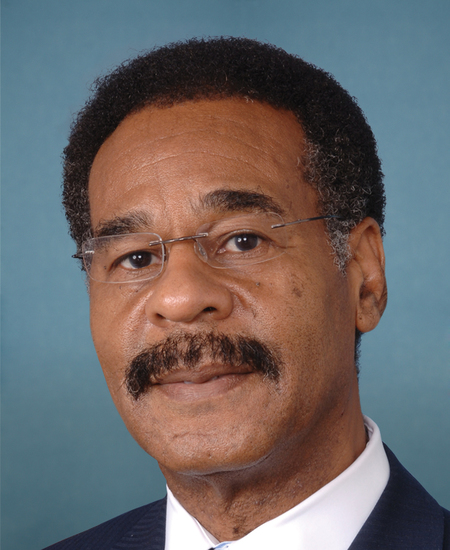
Emanuel Cleaver
61% support rate
Top opponent
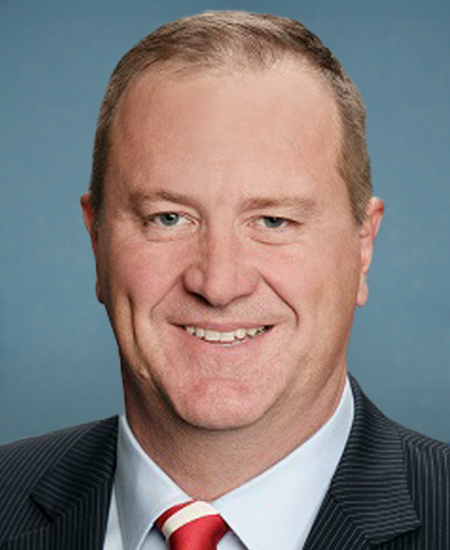
Eric Schmitt
25% support rate
Ranked legislators
8
3 support · 5 oppose
Key legislators

Who's moving healthcare in Missouri

Legislators moving healthcare in Missouri
Legislator Party Stance Support rate Votes
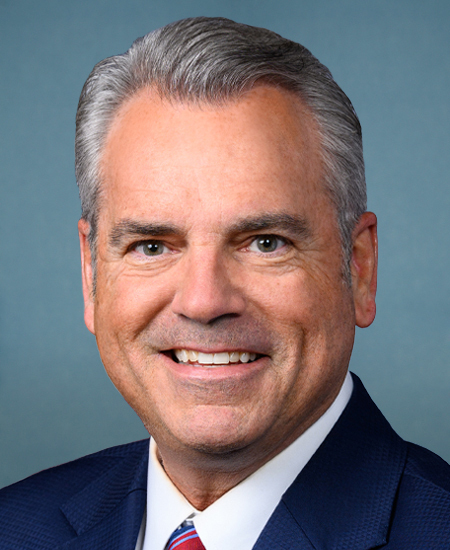
Emanuel Cleaver
Emanuel Cleaver House · District 5
D
Support
61% 203
Wesley Bell
Wesley Bell House · District 1
D
Support
61% 207
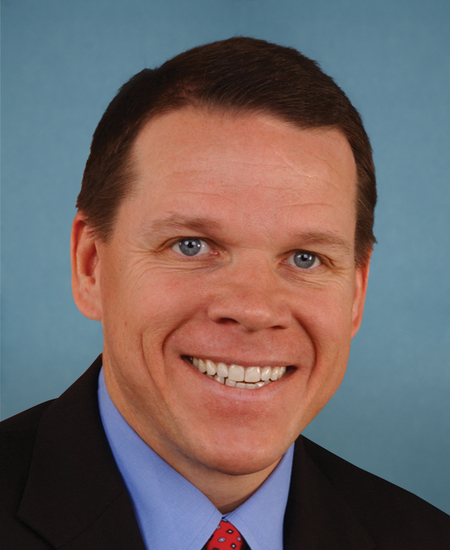
Mark Alford
Mark Alford House · District 4
R
Mixed
50% 209
Eric Schmitt
Eric Schmitt Senate
R
Oppose
25% 222
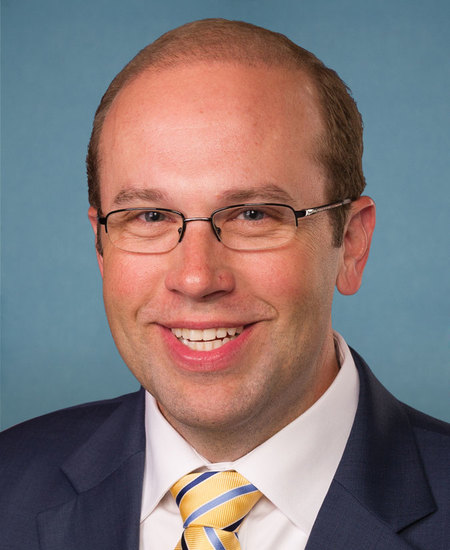
Jason Smith
Jason Smith House · District 8
R
Oppose
33% 209
Sam Graves
Sam Graves House · District 6
R
Oppose
33% 202
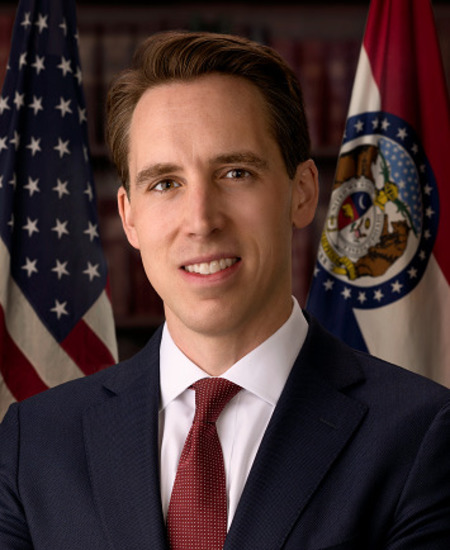
Josh Hawley
Josh Hawley Senate
R
Oppose
38% 217
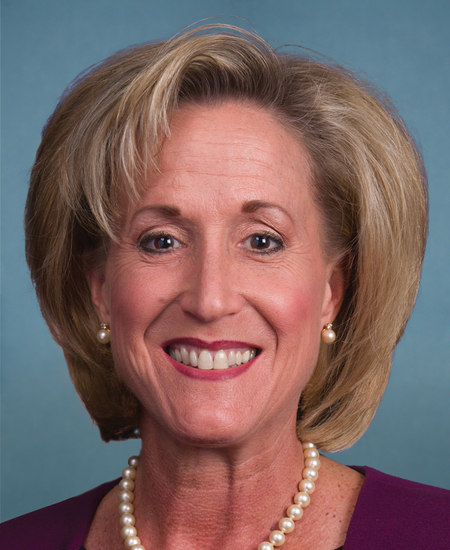
Ann Wagner
Ann Wagner House · District 2
R
Oppose
39% 211
Showing 1–10 of 65 bills

All healthcare bills

in committee · United States · Senate Jun 24, 2026

S 4880: Dismemberment Abortion Ban Act of 2026

This bill, known as the Dismemberment Abortion Ban Act of 2026, prohibits physicians from performing abortions that involve dismembering an unborn child piece by piece or crushing it with instruments, with the specific intent of causing the child's death. The law defines an "unborn child" as a human organism from fertilization until birth and allows for exceptions only when the procedure is necessary to save the life of the mother due to a physical disorder, illness, or injury. While it bans this specific method, the bill explicitly states that other abortion methods remain legal for reasons such as rape or incest, and it removes the previous federal ban on partial-birth abortions from the legal code. Violators face criminal penalties including fines and up to two years in prison, while women undergoing these procedures are immune from prosecution. Additionally, the bill creates a civil remedy allowing women or parents of minors to sue physicians for money damages, psychological injury, and punitive damages if the ban is violated.
Sub-Topics Women's Health
in committee · United States · Senate Jun 24, 2026

SRES 787: A resolution celebrating the historic anniversary of the June 24, 2022, decision of the Supreme Court of the United States in Dobbs v. Jackson Women's Health Organization.

This Senate resolution commemorates the fourth anniversary of the 2022 Supreme Court decision in Dobbs v. Jackson Women's Health Organization, which overturned the previous federal right to abortion. The document expresses the Senate's support for state authority to regulate abortion and acknowledges the work of pregnancy centers that assist expectant mothers. It formally declares the Senate's commitment to protecting unborn life and supporting families, while noting the ongoing policy challenges related to abortion access. As a symbolic measure, the bill does not create new laws or alter existing regulations but serves to record the Senate's stance on the issue.
Sub-Topics Women's Health
in committee · United States · House Apr 30, 2026

HR 8603: Dismemberment Abortion Ban Act of 2026

HR 8603, the Dismemberment Abortion Ban Act of 2026, prohibits physicians from performing abortions that involve dismembering an unborn child and extracting it piece by piece or crushed from the uterus. The law allows exceptions only when the procedure is necessary to save the mother's life, while explicitly permitting other abortion methods for reasons such as rape or incest. It imposes criminal penalties of up to two years in prison or fines on physicians who violate the ban and creates a civil lawsuit system where women or parents of minors can seek monetary damages and attorney fees against providers. The bill also defines an 'unborn child' as a human organism from fertilization until birth and clarifies that the woman undergoing the procedure cannot be prosecuted or held financially liable.
Sub-Topics Women's Health
in committee · United States · Senate Apr 16, 2026

S 4329: Title X Abortion Provider Prohibition Act

This bill amends the Title X family planning program to prohibit the use of federal funds for entities that perform or financially support abortions. It allows exceptions for cases involving rape, incest, or life-threatening medical conditions, while also permitting hospitals to receive funding as long as they do not give those funds to non-hospital abortion providers. To enforce these rules, the bill requires the Secretary of Health and Human Services to submit annual reports detailing which organizations receive grants and the specific number of abortions performed under the medical and criminal exceptions.
in committee · United States · House Mar 12, 2026

HR 7902: Safeguarding Women from Chemical Abortion Act

This bill, titled the Safeguarding Women from Chemical Abortion Act, aims to revoke federal approval for the drug mifepristone (also known as RU-486) for use in terminating pregnancies. If enacted, the Food and Drug Administration's approval for mifepristone for this indication would be withdrawn within 14 days, making its introduction into interstate commerce for pregnancy termination a violation of federal law. Additionally, the bill establishes a new federal right for individuals to sue manufacturers of mifepristone if they experience bodily injury or harm to mental health attributed to its use for pregnancy termination. This legislation directly affects drug manufacturers, distributors, healthcare providers, and individuals seeking or having used medication abortion.
in committee · United States · House Sep 1, 2026

HR 7945: Nitrous Oxide Safety Act of 2026

The Nitrous Oxide Safety Act of 2026 would classify consumer products containing nitrous oxide as banned hazardous items under federal law, except for specific exceptions. The bill prohibits the sale of nitrous oxide products for recreational use while allowing continued sales for medical and dental treatments, food production in commercial kitchens, research and development activities, and food propellant applications. This legislation directly affects manufacturers, retailers, and consumers by restricting access to nitrous oxide in consumer products after 180 days from enactment. The law defines nitrous oxide as the gas known as laughing gas or whippits and specifies which entities and activities are exempt from the ban.
in committee · United States · Senate Mar 11, 2026

S 4066: Safeguarding Women from Chemical Abortion Act

This bill would remove the federal approval for the drug mifepristone, which is used in combination with other medications to end pregnancies, and would make it illegal to distribute the drug for that purpose. It also creates a new federal lawsuit option allowing individuals to sue drug manufacturers for physical or mental harm they claim resulted from using mifepristone. The law would take effect 14 days after passing, with the new lawsuit provision becoming active 90 days after enactment.
Sub-Topics Women's Health
in committee · United States · House Mar 26, 2025

HR 2378: Defining Male and Female Act of 2025

This bill amends the U.S. Code to define key terms like "sex," "male," and "female" based on biological characteristics present at conception, specifically referencing reproductive anatomy. It requires all federal agencies, courts, and Congress to use these biological definitions when interpreting laws, regulations, or agency actions - replacing current interpretations that consider gender identity. The bill explicitly states that "gender identity" does not constitute a valid basis for determining sex under federal law. This change would directly affect how federal agencies implement existing laws related to healthcare, education, employment, and civil rights by mandating biological sex definitions in their operations.
in committee · United States · House Jun 5, 2025

HR 3708: No Place for LGBTQ+ Hate Act

HR 3708, the "No Place for LGBTQ+ Hate Act," repeals five specific executive orders targeting LGBTQ+ rights and blocks federal funding for their implementation. It directly affects transgender, nonbinary, intersex, and gender-nonconforming individuals by reversing policies that: mandated discrimination in employment/healthcare (EO 14168), reinstated a military ban (EO 14183), restricted transgender youth healthcare (EO 14187), barred transgender female students from sports (EO 14201), and required schools to deny transgender existence (EO 14190). The bill’s key mechanism prohibits federal funds from being used to enforce these orders, effectively nullifying them. This is a procedural repeal bill focused on reversing specific executive actions, not creating new laws.
in committee · United States · Senate Feb 25, 2025

S 707: No Bailout for Sanctuary Cities Act

S 707, the "No Bailout for Sanctuary Cities Act," defines "sanctuary jurisdictions" as states or localities that restrict sharing immigration status information with federal authorities or refuse to comply with federal detainer requests (except for crime victims/witnesses). The bill prohibits such jurisdictions from receiving federal funds intended to provide services like food, shelter, healthcare, legal aid, or transportation to undocumented immigrants, starting 60 days after enactment or the next fiscal year. It requires the Secretary of Homeland Security to annually report to Congress on jurisdictions failing to comply with federal immigration requests. This bill directly affects state and local governments with specific immigration policies, withholding targeted federal funding as a consequence.
Showing 1 to 10 of 65 bills
1 2 3 7 Next