Issue · Immigration

Immigration

Every immigration bill, vote, and legislator stance in Minnesota, automatically classified by Maddy, our AI policy reader.

Total bills
84
119th Congress
Top supporter
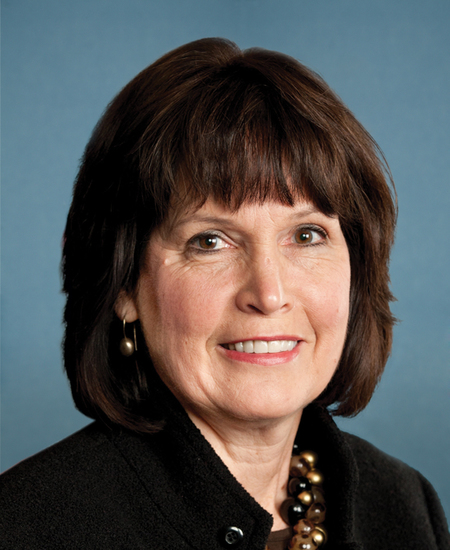
Betty McCollum
81% support rate
Top opponent
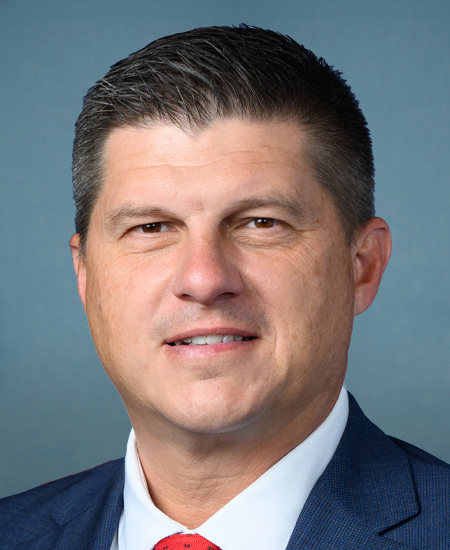
Brad Finstad
16% support rate
Ranked legislators
9
4 support · 5 oppose
Key legislators

Who's moving immigration in Minnesota

Legislators moving immigration in Minnesota
Legislator Party Stance Support rate Votes
Betty McCollum
Betty McCollum House · District 4
D
Strong +
81% 148
Ilhan Omar
Ilhan Omar House · District 5
D
Strong +
81% 149
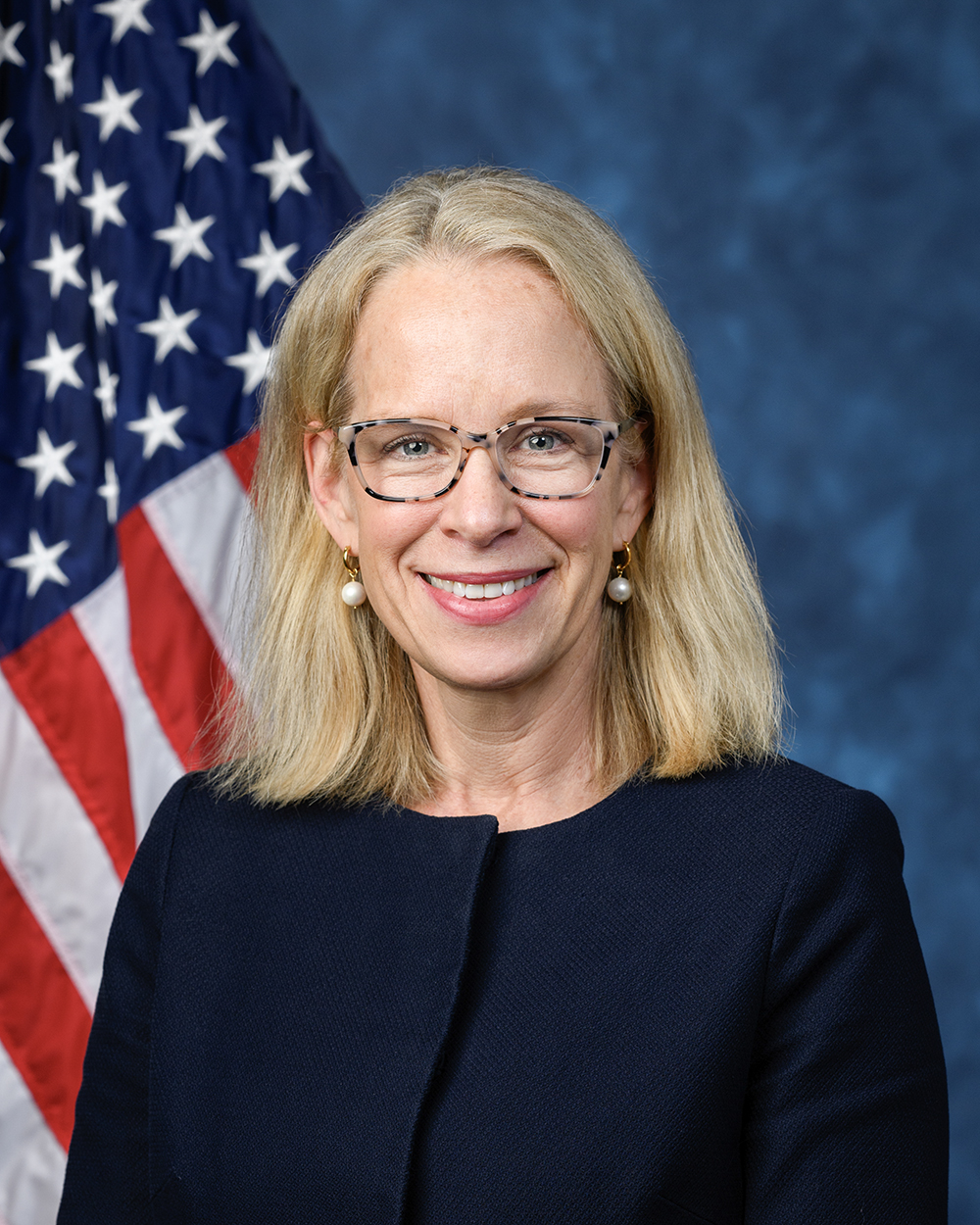
Kelly Morrison
Kelly Morrison House · District 3
D
Support
78% 150
Angie Craig
Angie Craig House · District 2
D
Support
65% 144
Brad Finstad
Brad Finstad House · District 1
R
Strong −
16% 146
Tom Emmer
Tom Emmer House · District 6
R
Strong −
19% 149
Pete Stauber
Pete Stauber House · District 8
R
Strong −
19% 148
Michelle Fischbach
Michelle Fischbach House · District 7
R
Strong −
19% 150
Amy Klobuchar
Amy Klobuchar Senate
D
Oppose
22% 178
Showing 1–10 of 84 bills

All immigration bills

in committee · United States · House Aug 6, 2026

HR 10045: Protect American Values Act

The Protect American Values Act prohibits the use of federal funds to implement, administer, or enforce a specific Department of Homeland Security rule regarding the "Public Charge" ground of inadmissibility. This legislation directly affects immigrants and mixed-status families by preventing the government from using public benefits as a factor in determining eligibility for lawful permanent resident status. The bill includes a statement of congressional intent arguing that the targeted rule would restrict access to essential services like food, medical care, and housing, while also negatively impacting state and local economies. By cutting off funding for this specific policy, the act aims to maintain current immigration standards and prevent what Congress describes as an unauthorized reversal of long-standing law.
in committee · United States · Senate Aug 6, 2026

S 5308: Afghanistan TPS Act of 2026

The Afghanistan TPS Act of 2026 grants Temporary Protected Status to Afghan nationals who have been continuously present in the United States since the bill's enactment, providing them with legal protection and work authorization until July 1, 2029. To qualify, applicants must register with biometric data and pass criminal and national security background checks, while the Department of Homeland Security is required to process these applications within 90 days, subject to a potential extension for specific security concerns. The legislation also allows recipients to apply for waivers on filing fees and permits brief international travel in cases of emergency or extenuating circumstances.
in committee · United States · House Aug 4, 2026

HR 10040: No TSA Data for ICE Act

This bill, titled the No TSA Data for ICE Act, prohibits the Transportation Security Administration from sharing passenger data with U.S. Customs and Border Protection or U.S. Immigration and Customs Enforcement. It specifically bars these agencies from using TSA information or data from private brokers to perform immigration enforcement functions. Additionally, the legislation prevents the denial, suspension, or early termination of Trusted Traveler programs like PreCheck and Global Entry if an individual's participation in First Amendment-protected activities is the reason. The law defines the restricted data as personally identifiable information about flight passengers obtained from the TSA or private sector entities.
in committee · United States · House Jul 23, 2026

HR 9944: TPS Review Act

The Temporary Protected Status Review Act restores the ability of courts to review decisions by the Department of Homeland Security to end Temporary Protected Status (TPS) designations for foreign nationals. Under this bill, the government must publish detailed written findings explaining why a country no longer qualifies for TPS protection, and these decisions would be subject to a legal challenge in federal court. If a TPS designation is terminated, the affected individuals would remain in the United States with their current status and work authorization intact while the legal challenge is pending. Additionally, the legislation requires the government to follow specific administrative procedures, such as considering all available evidence and avoiding bias, before making any termination decisions.
Sub-Topics Work Authorization
in committee · United States · Senate Jul 22, 2026

S 5071: Children's Safe Welcome Act of 2026

The Children's Safe Welcome Act of 2026 establishes comprehensive standards for the treatment, care, and placement of noncitizen children in immigration custody, primarily affecting the Departments of Homeland Security and Health and Human Services. Key provisions include a prohibition on separating children from their parents or guardians unless there is clear and convincing evidence of an imminent threat, alongside requirements for rapid family reunification and the elimination of family detention facilities. The bill mandates that children be housed in state-licensed facilities that provide trauma-informed care, adequate medical and educational services, and access to legal representation, while also phasing out large congregate care settings in favor of family-based placements. Furthermore, it creates an independent Office of the Ombudsperson to monitor compliance, investigates age assessments that ban invasive medical procedures, and enforces strict data privacy rules to prevent information from custody cases from being used in immigration removal proceedings.
Sub-Topics DACA & Dreamers Detention Sanctuary Policies Tags Children
in committee · United States · House Jul 22, 2026

HR 9853: Right to Learn Act of 2026

The Right to Learn Act of 2026 creates a grant program to help schools and community organizations support students and staff affected by immigration enforcement actions. Funds awarded by the Department of Education can be used to hire trauma-informed counselors, provide emergency assistance like food and legal referrals, and train educators on culturally responsive care. The bill strictly prohibits schools from collecting or sharing personal data about a student's immigration status and forbids denying services based on that status. Eligible recipients include public schools, early childhood programs, universities, and legal service providers, with a total funding authorization of $250 million over five years.
Sub-Topics Enforcement
in committee · United States · House Jul 16, 2026

HR 9745: Orlin’s Law

Orlin's Law requires immigration officials to identify detained parents and prioritize family unity by limiting detention when possible. The bill mandates that parents be allowed to make free calls and visits with their children, participate in family court proceedings, and access necessary documents to care for their dependents. It also establishes a new office within U.S. Immigration and Customs Enforcement to coordinate these protections and provides for community-based alternatives to detention. Additionally, the law creates a presumption that parental rights remain intact even if a child is separated from a detained parent and outlines specific steps to facilitate reunification upon removal.
Sub-Topics Detention
in committee · United States · Senate Jun 17, 2026

S 4814: A bill to require the Secretary of Homeland Security to designate Haiti for temporary protected status.

This bill directs the Secretary of Homeland Security to grant Temporary Protected Status to nationals of Haiti. Under this provision, eligible Haitian immigrants would be allowed to live and work in the United States without fear of deportation until March 20, 2029. The legislation overrides other existing laws to ensure this designation remains in effect for the specified period.
Sub-Topics Enforcement
in committee · United States · House Jun 23, 2026

HR 9414: Pell Grant Preservation and Expansion Act of 2026

The Pell Grant Preservation and Expansion Act of 2026 aims to increase financial aid for college students by raising the maximum Pell Grant amount to $15,000 by the 2031-2032 award year and ensuring the program is fully funded through mandatory spending rather than annual appropriations. The bill also expands eligibility for students who receive means-tested government benefits by automatically assigning them a lower financial need score, while simultaneously allowing Dreamer students - undocumented immigrants who meet specific criteria such as graduating high school or serving in the military - to qualify for federal aid. Additional provisions restore the total number of semesters a student can receive Pell Grants from 12 to 18 and adjust the rules for satisfactory academic progress to reduce penalties for students who struggle to meet grade requirements. Finally, the legislation restores Pell Grant eligibility for some students who previously received outside scholarships and sets the law's effective date for July 1, 2026.
in committee · United States · House Jun 30, 2026

HR 9432: LIFT the BAR Act

The LIFT the BAR Act aims to restore access to federal benefits for lawfully present noncitizens by repealing several restrictions imposed by the 1996 welfare reform law and a 2024 reconciliation bill. Specifically, it would allow eligible noncitizens to receive SNAP food assistance, Medicaid, CHIP, and child nutrition programs, while also updating legal terminology to refer to "noncitizens" rather than "aliens" in relevant statutes. The legislation includes provisions to ensure these individuals can qualify for premium tax credits and would require federal agencies to issue implementation guidance within 180 days of enactment.
Showing 1 to 10 of 84 bills
1 2 3 9 Next