

Issue · Immigration
Immigration
Every immigration bill, vote, and legislator stance in Minnesota, automatically classified by Maddy, our AI policy reader.
Total bills
38
119th Congress
Top supporter
Betty McCollum
81% support rate
Top opponent
Brad Finstad
16% support rate
Ranked legislators
9
4 support · 5 oppose
Key legislators
Who's moving immigration in Minnesota
| Legislator | Party | Stance | Support rate | Votes |
|---|---|---|---|---|
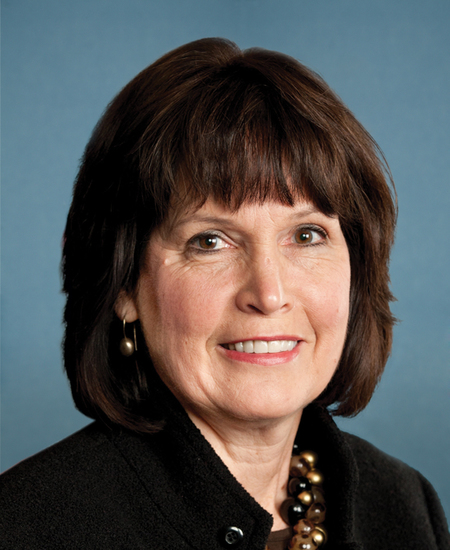
Betty McCollum
House · District 4
|
D |
Strong +
|
81% | 148 |

Ilhan Omar
House · District 5
|
D |
Strong +
|
81% | 149 |
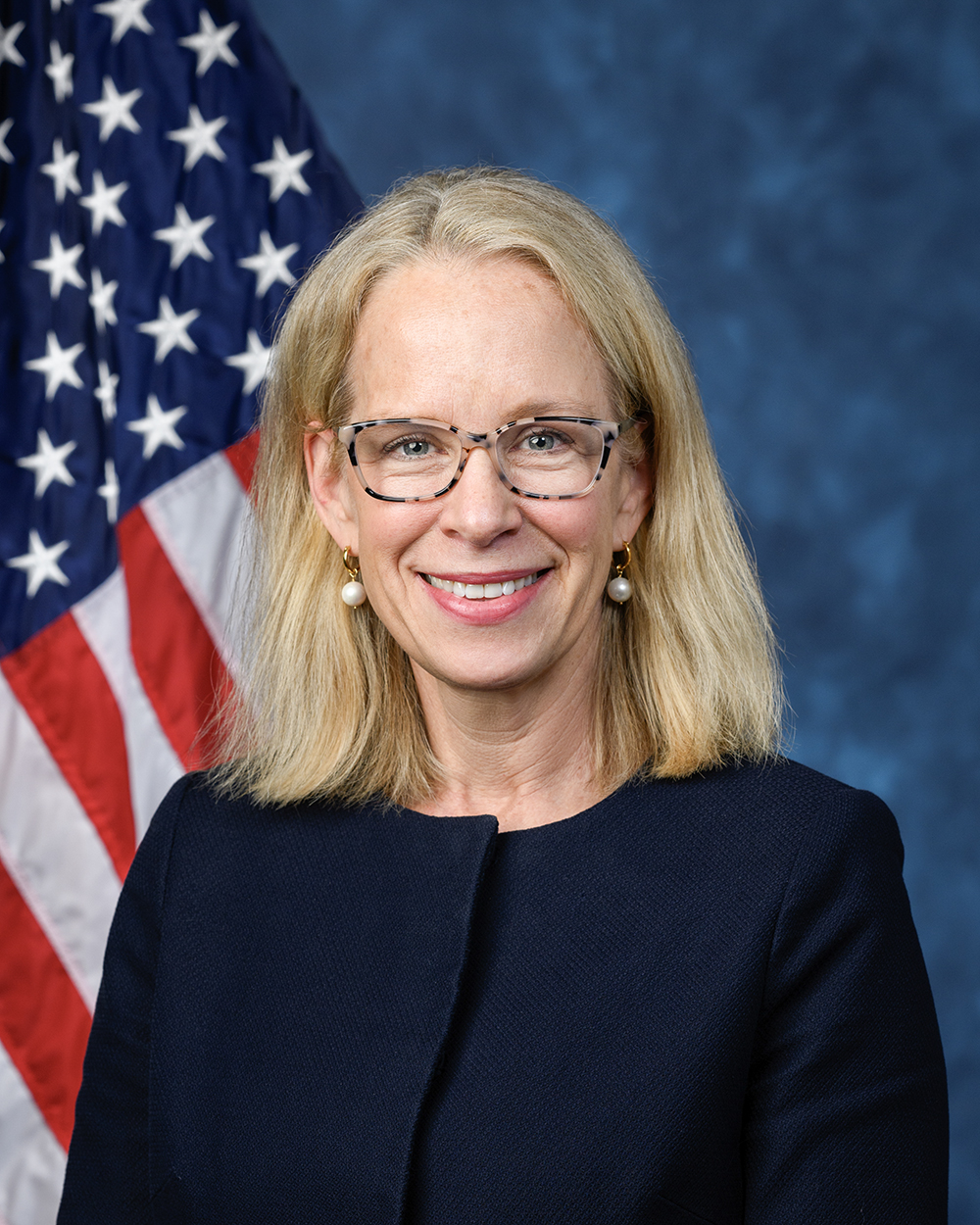
Kelly Morrison
House · District 3
|
D |
Support
|
78% | 150 |
Angie Craig
House · District 2
|
D |
Support
|
65% | 144 |
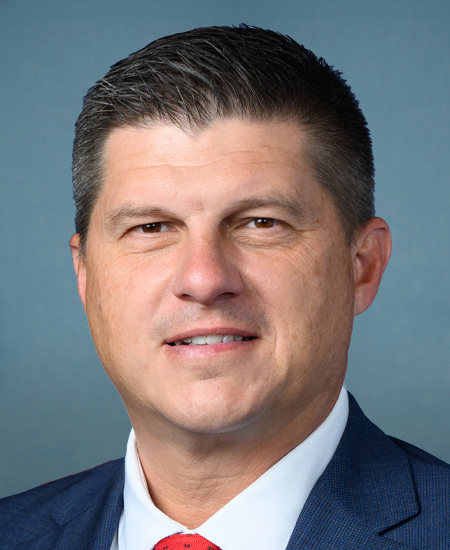
Brad Finstad
House · District 1
|
R |
Strong −
|
16% | 146 |
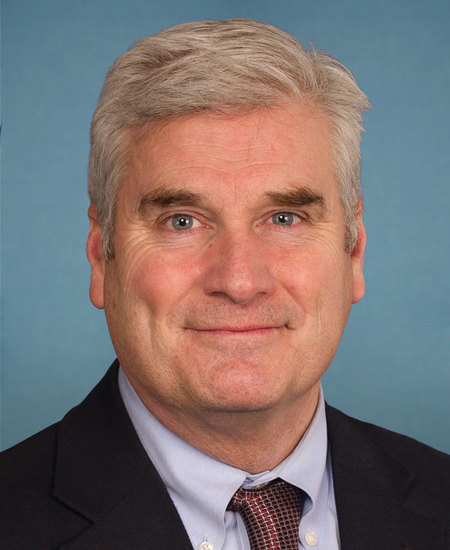
Tom Emmer
House · District 6
|
R |
Strong −
|
19% | 149 |
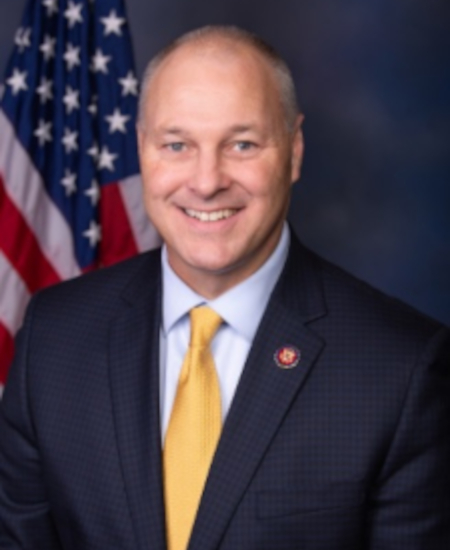
Pete Stauber
House · District 8
|
R |
Strong −
|
19% | 148 |
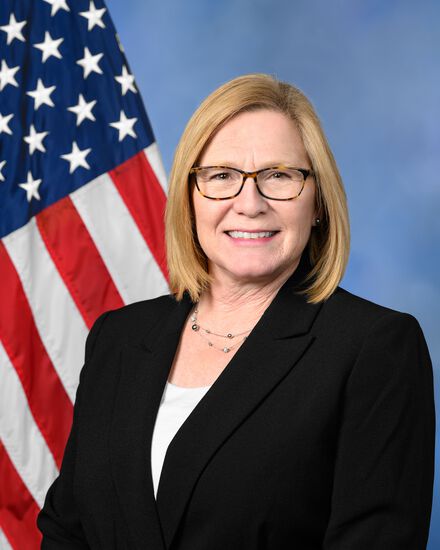
Michelle Fischbach
House · District 7
|
R |
Strong −
|
19% | 150 |

Amy Klobuchar
Senate
|
D |
Oppose
|
22% | 178 |
Showing 1–10 of 38
bills
All immigration bills
HR 10222: No HUD Funding for Sanctuary Cities Act
Topics
✗ HousingOpposes HousingBill prohibits HUD grant funds for sanctuary jurisdictions, directly restricting housing development and assistance funding based on immigration policy.
✗ ImmigrationOpposes ImmigrationBill penalizes sanctuary jurisdictions by cutting HUD funds, restricting local protections for immigrants and limiting their access to housing services.
HR 9361: Worst of the Worst Act
Topics
✗ Criminal JusticeOpposes Criminal JusticeBill creates a public database of released criminal aliens, enhancing surveillance and restricting privacy rights, which aligns with opposing criminal justice reform indicators.
✗ ImmigrationOpposes ImmigrationBill mandates public tracking of released criminal aliens, increasing surveillance and limiting privacy protections for immigrants.
HR 8172: Federal Benefits Repatriation Verification Act of 2026
Topics
✗ Budget & TaxesOpposes Budget & TaxesBill restricts financial transfers for noncitizen benefit recipients, limiting their ability to manage assets and potentially reducing government accountability.
✗ ImmigrationOpposes ImmigrationBill restricts noncitizen access to financial assets and mandates compliance checks, limiting immigrant protections and services.
HR 8223: RECOUP Act of 2026
HR 8494: To prohibit the Department of Homeland Security from entering into, modifying, extending, or renewing, any contract or intergovernmental service agreement to establish or operate any new immigration detention model, including the use of warehouses, modular facilities, soft-sided structures, tent systems, and processing centers.
Topics
✗ Criminal JusticeOpposes Criminal JusticeBill restricts immigration detention models by prohibiting funding for new facilities, effectively limiting the scope of immigration enforcement operations.
✗ ImmigrationOpposes ImmigrationBill restricts immigration detention capacity by banning new facilities, limiting enforcement capabilities.
HR 7703: Stop Illegal Alien Cops Act
Topics
✗ Criminal JusticeOpposes Criminal JusticeBill restricts law enforcement by prohibiting government entities from employing or arming individuals unlawfully in the US, limiting police operational capacity.
✗ ImmigrationOpposes ImmigrationBill restricts government entities from employing individuals unlawfully in the US and removes firearm exemptions for such individuals, limiting protections for immigrants.
HR 7758: The Dalilah Law
Topics
✗ ImmigrationOpposes ImmigrationBill restricts commercial driver's licenses to citizens and lawful permanent residents, limiting access to services for non-citizens and increasing state immigration enforcement verification requirements.
✗ TransportationOpposes TransportationBill restricts CDL issuance to citizens and certain visa holders, limiting the available workforce for commercial transportation and potentially reducing service capacity.
Sub-Topics
Citizenship & Naturalization
Driver Licenses & IDs
Driver Licensing
Transportation Funding
HR 3608: Connor’s Law
Topics
✗ ImmigrationOpposes ImmigrationBill mandates English proficiency for commercial drivers, restricting language access for non-English speaking immigrants and limiting their employment opportunities.
✓ TransportationSupports TransportationRequires English proficiency for commercial drivers to improve safety compliance with traffic signs and official communication, aligning with transportation safety standards.
HR 7156: SCAM Act
Topics
✗ Criminal JusticeOpposes Criminal JusticeExpands denaturalization for specific crimes, increasing penalties and reducing rights for naturalized citizens, opposing reform by strengthening punitive measures.
✗ ImmigrationOpposes ImmigrationTargets naturalized citizens for public benefit fraud/terrorism, enabling automatic citizenship revocation - restricts immigrant protections and increases enforcement against naturalized residents.
Sub-Topics
Citizenship & Naturalization