Issue · Criminal Justice

Criminal Justice

Every criminal justice bill, vote, and legislator stance in Minnesota, automatically classified by Maddy, our AI policy reader.

Total bills
182
119th Congress
Top supporter
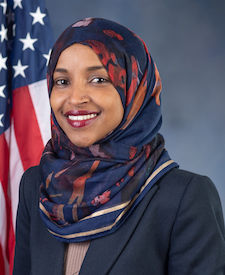
Ilhan Omar
67% support rate
Top opponent
Amy Klobuchar
13% support rate
Ranked legislators
9
4 support · 5 oppose
Key legislators

Who's moving criminal justice in Minnesota

Legislators moving criminal justice in Minnesota
Legislator Party Stance Support rate Votes
Ilhan Omar
Ilhan Omar House · District 5
D
Support
67% 153
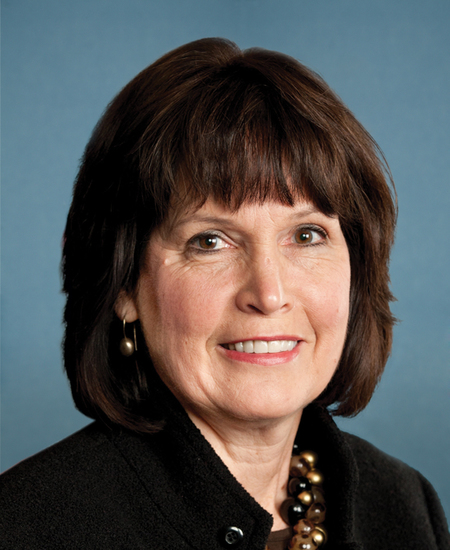
Betty McCollum
Betty McCollum House · District 4
D
Support
63% 153
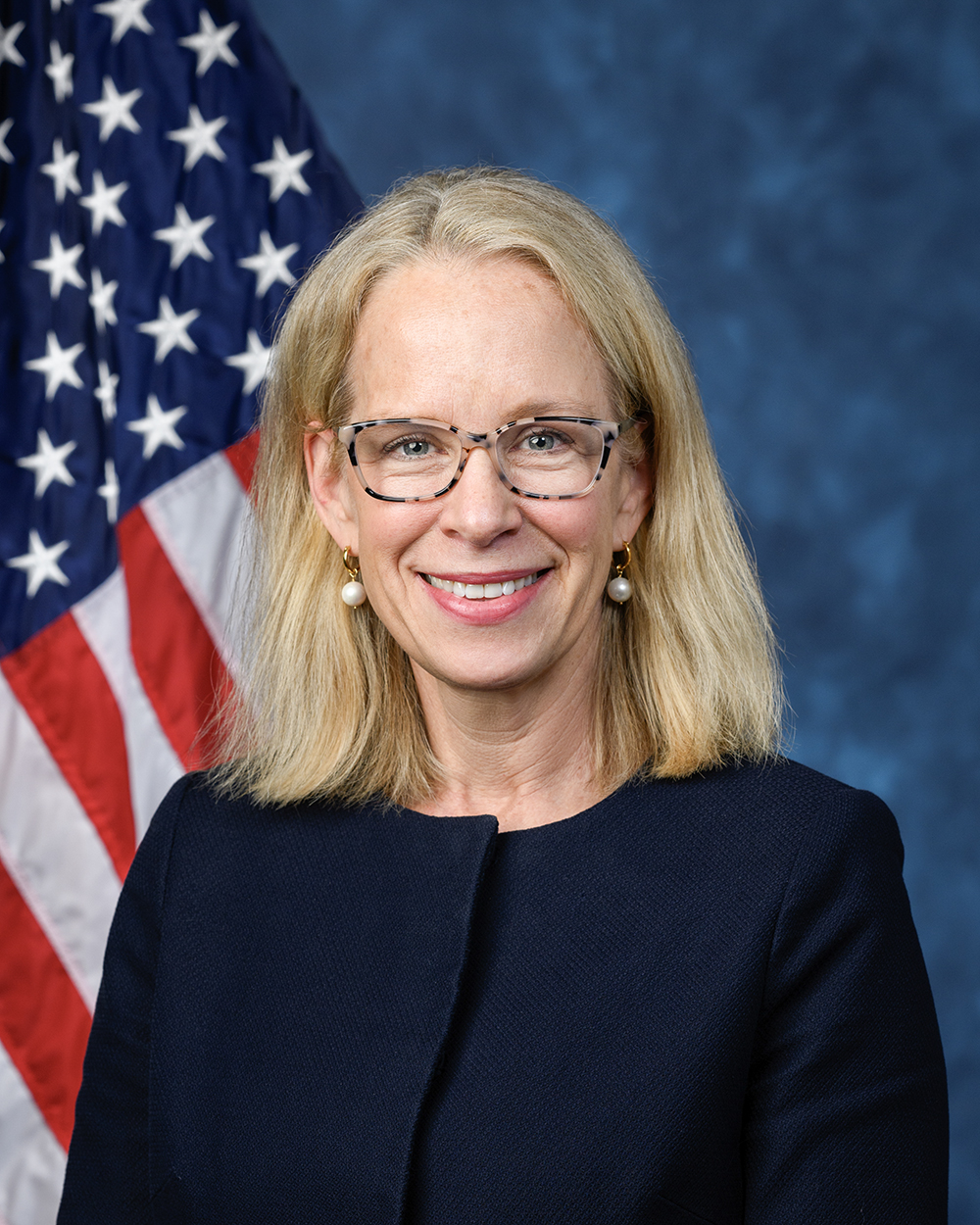
Kelly Morrison
Kelly Morrison House · District 3
D
Mixed
57% 154
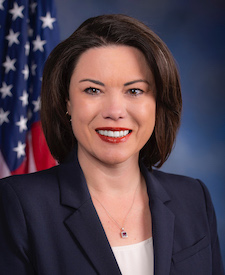
Angie Craig
Angie Craig House · District 2
D
Mixed
53% 150
Amy Klobuchar
Amy Klobuchar Senate
D
Strong −
13% 169
Tina Smith
Tina Smith Senate
D
Strong −
16% 169
Tom Emmer
Tom Emmer House · District 6
R
Oppose
37% 153
Pete Stauber
Pete Stauber House · District 8
R
Oppose
37% 154
Michelle Fischbach
Michelle Fischbach House · District 7
R
Oppose
37% 154
Showing 1–10 of 182 bills

All criminal justice bills

in committee · United States · House Aug 20, 2026

HR 10124: Mail Theft and Postal Key Crime Prevention Act of 2026

The Mail Theft and Postal Key Crime Prevention Act of 2026 requires the Attorney General to designate a specific assistant United States attorney in every federal judicial district to coordinate the investigation and prosecution of organized mail theft and related fraud schemes. These coordinators are tasked with working alongside federal, state, and local law enforcement agencies to address crimes involving stolen postal keys, identity theft, and financial fraud facilitated by intercepted mail. The bill also mandates that the Attorney General submit an annual report to Congress for five years detailing trends in these offenses and the effectiveness of inter-agency coordination efforts. Additionally, it directs the United States Sentencing Commission to review and update federal sentencing guidelines to ensure harsher penalties for crimes involving postal access devices, large-scale theft operations, or violence against postal workers.
in committee · United States · Senate Jul 30, 2026

S 5201: Lori Jackson-Nicolette Elias Domestic Violence Survivor Protection Act

The Lori Jackson-Nicolette Elias Domestic Violence Survivor Protection Act expands federal firearm restrictions to include individuals subject to any domestic violence restraining order, including temporary or emergency orders issued without the abuser's presence. It broadens the legal definition of an "intimate partner" to cover dating partners and other relationships protected by state laws, closing previous loopholes that allowed some abusers to keep guns. The bill also creates a federal grant program for states and tribes to fund the removal, storage, and return of firearms from individuals subject to these orders, requiring them to partner with local domestic violence service providers to ensure victim safety.
in committee · United States · Senate Aug 4, 2026

S 5231: Equity in Pretrial Health Coverage Act

The Equity in Pretrial Health Coverage Act removes federal restrictions that currently prevent individuals awaiting trial from accessing certain government health benefits. The bill amends laws governing Medicaid, Medicare, the Children's Health Insurance Program (CHIP), and Department of Veterans Affairs services to ensure these programs cover medical care for people in custody while their charges are pending. For children enrolled in CHIP, the legislation also mandates coverage for specific screenings and case management services during the 30 days leading up to their release. These changes take effect shortly after enactment, with the Department of Veterans Affairs provision becoming active immediately upon the bill's passage.
in committee · United States · House Jul 21, 2026

HR 9817: Justice for Incarcerated Moms Act

The Justice for Incarcerated Moms Act aims to improve maternal health outcomes for pregnant and postpartum individuals in the criminal justice system by restricting financial incentives for states that use restraints on pregnant inmates. Under the bill, states receiving federal justice grants would face a 25 percent funding penalty if they fail to implement laws limiting the use of shackles on pregnant individuals, with those withheld funds redirected to compliant states. The legislation also directs the Bureau of Prisons and the Department of Justice to create and fund programs in at least six federal facilities and across various state and local prisons that provide specialized prenatal care, mental health support, and reentry assistance. These programs are designed to address specific health disparities, particularly for racial and ethnic minority groups, by offering culturally competent care, nutrition counseling, and opportunities to maintain contact with newborn children. Additionally, the act requires an independent oversight organization to monitor program implementation and mandates a Government Accountability Office report to analyze maternal and infant health data within the correctional system.
in committee · United States · Senate Jul 16, 2026

S 5022: Cannabis Administration and Opportunity Act

The Cannabis Administration and Opportunity Act fundamentally changes federal law by removing marijuana from the Controlled Substances Act, effectively decriminalizing it at the federal level and allowing states to regulate their own cannabis markets without federal interference. To manage this new landscape, the bill creates a new federal agency called the Alcohol, Tobacco, and Cannabis Tax and Trade Bureau to oversee licensing, collect taxes, and prevent illicit trade, while also establishing a new Center for Cannabis Products within the FDA to regulate safety and labeling. The legislation includes significant restorative justice measures, such as automatically expunging federal cannabis convictions and prohibiting discrimination against individuals with such records in areas like immigration, security clearances, and access to federal benefits. Additionally, the bill provides billions of dollars in funding to support research into the health effects of cannabis, expand access to financial services for legitimate cannabis businesses, and assist communities and individuals harmed by past prohibition enforcement.
in committee · United States · House Jul 2, 2026

HR 9576: National Fraud Enforcement Division Act of 2026

This bill creates a new National Fraud Enforcement Division within the Department of Justice to lead efforts against fraud targeting the federal government, federally funded programs, and American citizens. The division will be headed by an Assistant Attorney General appointed by the President and Senate, who will oversee complex investigations, guide local prosecutors, and coordinate with other federal agencies to stop organized fraud schemes. Additionally, the leader of this new unit will set national enforcement priorities and suggest legal or regulatory changes to fix systemic weaknesses that allow fraud to occur.
in committee · United States · House Jul 30, 2026

HR 9983: Lori Jackson-Nicolette Elias Domestic Violence Survivor Protection Act

The Lori Jackson-Nicolette Elias Domestic Violence Survivor Protection Act aims to reduce intimate partner homicides by strengthening federal laws that prevent abusers from accessing firearms while restraining orders are active. It expands the definition of "intimate partner" to include dating partners and clarifies that emergency or temporary restraining orders must also trigger gun restrictions. The bill requires courts to automatically issue firearm surrender orders when a protection order is granted, mandating that abusers turn in their guns within 24 hours and prohibiting them from buying new ones for the duration of the order. Additionally, the legislation creates a new grant program to help states and local governments implement these surrender procedures and partner with domestic violence service providers.
in committee · United States · House Jul 22, 2026

HR 9873: Inclusive Democracy Act of 2026

The Inclusive Democracy Act of 2026 mandates that individuals with criminal convictions retain their right to vote in federal elections and requires prisons, jails, and probation offices to notify incarcerated or supervised individuals of this right. The bill establishes specific procedures for voter registration and absentee voting within carceral settings, including expedited transmission of forms and the ability to use either a prison address or a last known address for registration. It also prohibits states from rejecting ballots or registration applications based on late mailing dates or electronic submission methods and ensures that election materials and nonpartisan voter registration services can be distributed inside correctional facilities.
Sub-Topics Corrections Probation & Parole Tags Elections
in committee · United States · House Jul 15, 2026

HRES 1435: Expressing the sense of the House of Representatives that the United States should ratify the Rome Statute and join the International Criminal Court.

This resolution expresses the House of Representatives' support for the United States ratifying the Rome Statute to become a full member of the International Criminal Court. The bill calls for lifting current sanctions and visa restrictions on ICC personnel and encourages the U.S. to persuade other nations to join the court. It frames joining the court as a way to uphold American values of justice and accountability while allowing the U.S. to influence the court's priorities.
Sub-Topics Courts
passed · United States · House Jul 21, 2026

HR 8823: Putting Patients First by Strengthening Provider Accountability in FECA Act

This bill, known as the Putting Patients First by Strengthening Provider Accountability in FECA Act, aims to improve oversight of healthcare providers who receive payments under the Federal Employees Health Benefits program. It directly affects medical service providers, suppliers, and the Department of Labor by introducing a new rule that allows the Secretary of Labor to suspend payments to any provider convicted of fraud in this program, federal health care benefit programs, or similar state programs. The law requires the Secretary to issue regulations to enforce this suspension authority and specifies that the changes will take effect 180 days after the bill is enacted.
Sub-Topics Medicare
Showing 1 to 10 of 182 bills
1 2 3 19 Next