Issue · Transportation

Transportation

Every transportation bill, vote, and legislator stance in Michigan, automatically classified by Maddy, our AI policy reader.

Total bills
149
2025-2026 Regular Session
Top supporter
John Cherry
100% support rate
Top opponent
Jonathan Lindsey
0% support rate
Ranked legislators
10
5 support · 5 oppose
Key legislators

Who's moving transportation in Michigan

Legislators moving transportation in Michigan
Legislator Party Stance Support rate Votes
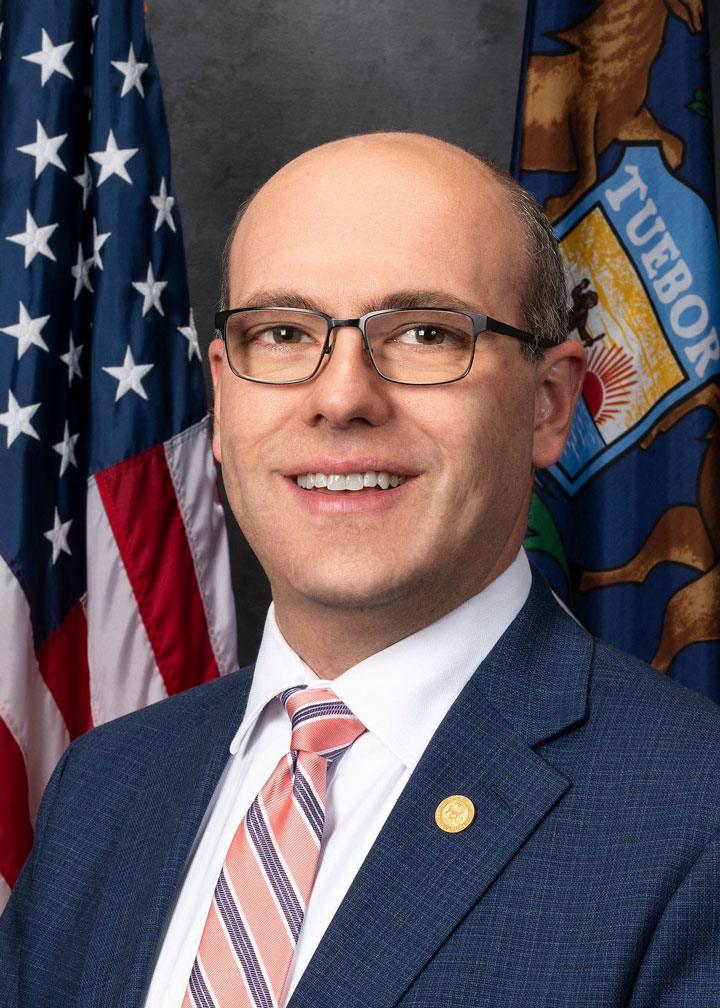
John Cherry
John Cherry Senate · District 27
D
Strong +
100% 31
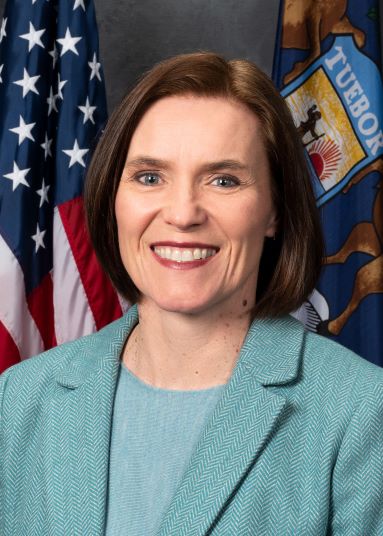
Winnie Brinks
Winnie Brinks Senate · District 29
D
Strong +
100% 32
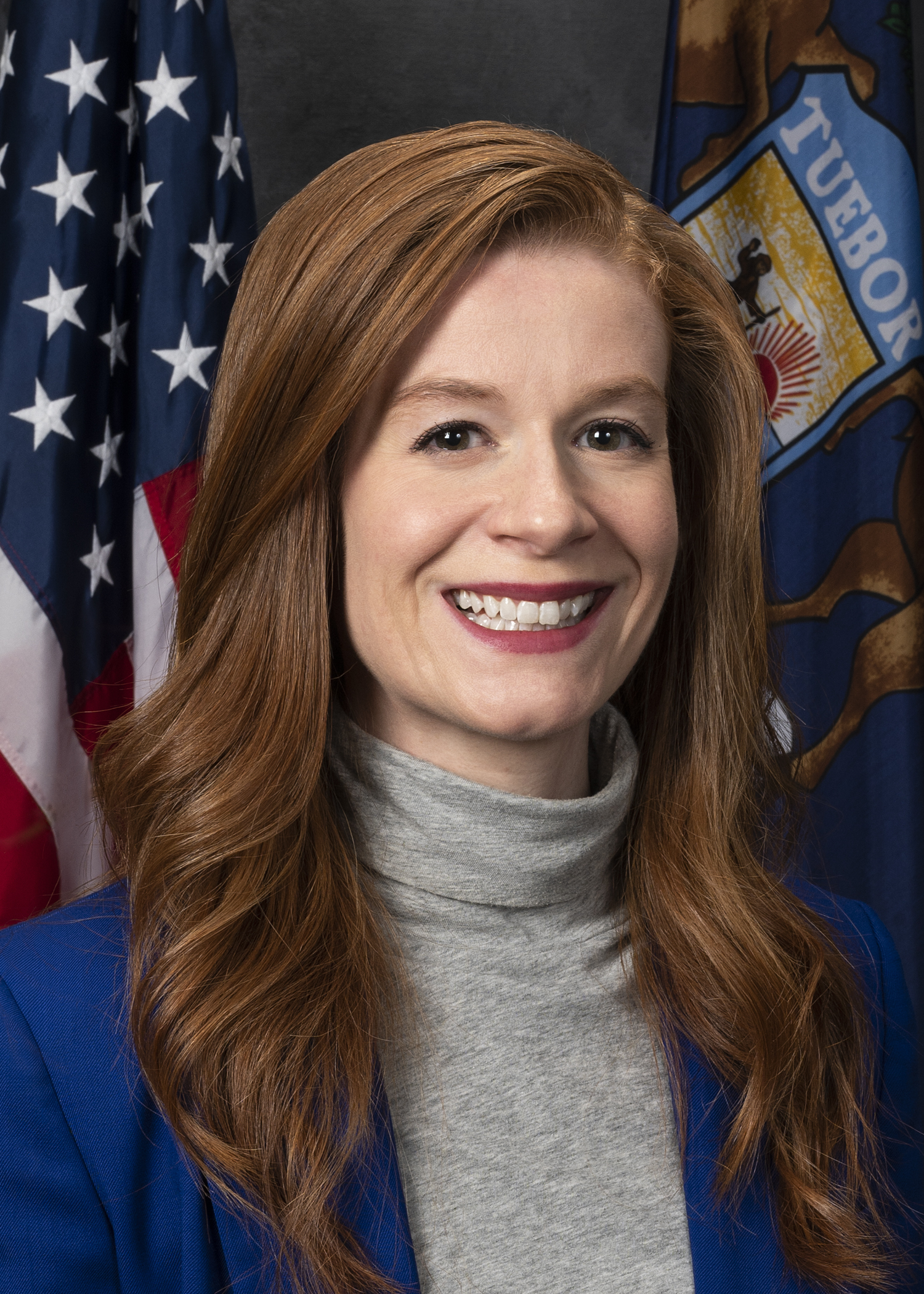
Sarah Anthony
Sarah Anthony Senate · District 21
D
Strong +
100% 33
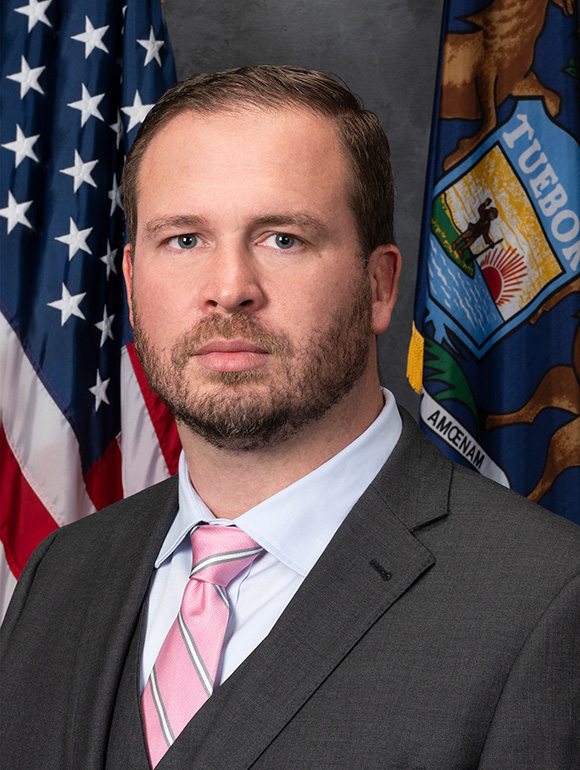
Sylvia Santana
Sylvia Santana Senate · District 2
D
Strong +
100% 33
Mallory McMorrow
Mallory McMorrow Senate · District 8
D
Strong +
100% 29
Jonathan Lindsey
Jonathan Lindsey Senate · District 17
R
Strong −
0% 33
Betsy Coffia
Betsy Coffia House · District 103
D
Strong −
9% 23
Lana Theis
Lana Theis Senate · District 22
R
Strong −
11% 31
Noah Arbit
Noah Arbit House · District 20
D
Strong −
12% 30
Reggie Miller
Reggie Miller House · District 31
D
Strong −
13% 31
Showing 61–70 of 149 bills

All transportation bills

in committee · Michigan · Senate Feb 11, 2026

SB 778: Vehicles: driver training; instruction on slow-down and move-over laws; require. Amends sec. 309 of 1949 PA 300 (MCL 257.309).

SB 778 amends Michigan's vehicle code (MCL 257.309) to require driver's license applicants to answer at least two questions about approaching stationary emergency vehicles during written knowledge tests. This change directly affects all new and renewing drivers in Michigan who undergo state licensing examinations. The bill adds this specific provision to the existing testing requirements, ensuring applicants learn the legal "slow-down and move-over" rules for emergency vehicles. The amendment does not alter other testing components like driving skills tests or background checks.
Sub-Topics Driver Licensing
passed · Michigan · House May 12, 2026

HB 5321: Aeronautics: unmanned aircraft systems; database of restricted zones and flight paths for unmanned vehicles; create and provide penalties for using unmanned vehicles in a restricted zone or flight path. Creates new act. TIE BAR WITH: HB 5321'25

HB 5321 creates a state geofencing database managed by Michigan's transportation department to list restricted zones where unmanned vehicles (including drones, ground vehicles, and watercraft) cannot operate. The bill requires the department to develop a public website and a mobile app that warns operators when approaching restricted areas like critical infrastructure, airports, or key facilities. Operating an unmanned vehicle in a restricted zone is a felony punishable by up to 4 years in prison or a $2,500 fine. This law directly affects anyone using unmanned vehicles in Michigan, establishing a new enforcement system to prevent unauthorized flights or operations in sensitive areas.
in committee · Michigan · House Dec 10, 2025

HR 224: A resolution to urge the Trump-Vance administration to reverse its harmful decision to betray the trust of Northern Michiganders by denying federal disaster relief funding and provide the full amount of requested funding following the devastating March 2025 ice storm.

This House Resolution (HR 224) urges the Trump-Vance administration to reverse its denial of federal disaster relief funding for northern Michigan residents affected by a March 2025 ice storm. It specifically requests the full amount of funding requested under the Stafford Act for individual assistance, public utilities, and hazard mitigation after the storm caused widespread infrastructure damage and hardship. The resolution is non-binding and serves only to formally express congressional support for affected communities, directing copies to the President, FEMA, and Michigan's congressional delegation. It does not alter funding decisions or create new legal obligations.
in committee · Michigan · House Feb 26, 2025

HB 4111: Property tax: exemptions; personal property constituting certain hydrogen fuel pumps; exempt. Amends secs. 27 & 34d of 1893 PA 206 (MCL 211.27 & 211.34d) & adds sec. 9q. TIE BAR WITH: HB 4112'25

HB 4111 exempts certain hydrogen fuel pumps from Michigan property taxes after December 31, 2025. It directly affects businesses installing qualifying hydrogen fueling infrastructure, such as stations filling vehicles with hydrogen. The bill defines a "qualified hydrogen fuel pump" as equipment meeting H35 (35 MPa) or H70 (70 MPa) pressure standards for dispensing hydrogen into motor vehicles. This exemption applies to the pumps themselves (classified as personal property), not the land or buildings they occupy, and is added to Michigan’s property tax law under Section 9q. The change aims to support development of hydrogen fueling infrastructure by reducing operational costs for businesses.
Sub-Topics Property Tax
in committee · Michigan · House Mar 18, 2025

HB 4231: Sales tax: distribution; distribution of certain sales tax revenue into the public safety and violence prevention fund; provide for. Amends sec. 25 of 1933 PA 167 (MCL 205.75). TIE BAR WITH: HB 4232'25

HB 4231 redirects $75 million annually from Michigan's 4% general sales tax (starting fiscal year 2025) into the Public Safety and Violence Prevention Fund. It also specifies that aviation fuel tax revenue must be split 35% to the state aeronautics fund and 65% to qualified airport funds. Additionally, computer software sales tax revenue must fund Michigan's health initiatives at $9-12 million yearly. These changes directly affect state budget allocations, airport operators, and public safety programs without altering tax rates or creating new taxes.
passed · Michigan · Senate Apr 30, 2026

SB 561: Sales tax: distribution; distribution of sales tax revenue for the revenue sharing trust fund; provide for. Amends sec. 25 of 1933 PA 167 (MCL 205.75). TIE BAR WITH: SB 0559'25, SB 0912'26

SB 561 amends Michigan's sales tax law to change how revenue is distributed. It allocates 8.6% of the 4% general sales tax (starting October 1, 2025) to a new Revenue Sharing Trust Fund for distribution to cities, villages, townships, and counties. The bill also directs computer software sales tax revenue ($9-12 million annually) to the Michigan Health Initiative Fund and splits aviation fuel tax revenue (35% to the state aeronautics fund, 65% to airport funds). These changes affect local governments, public schools (via school aid fund allocations), airports, and health programs, without altering the overall tax rates.
in committee · Michigan · Senate Apr 23, 2025

SB 244: Health occupations: physicians; reporting to secretary of state patients with conditions that that cause or contributes to a seizure; require under certain circumstances. Amends sec. 5139 of 1978 PA 368 (MCL 333.5139).

Senate Bill 244 mandates that physicians report patients to the Secretary of State if they have conditions causing "seizure experiences" that could jeopardize their ability to safely operate a motor vehicle. This changes the current law, which allows for voluntary reporting of other conditions affecting driving. Physicians making these reports are required to recommend a period of license suspension, such as at least 6 months for an operator's license, and are granted immunity from liability if they act in good faith and with due care. The bill directly affects physicians and patients with seizure-related conditions.
Sub-Topics Driver Licensing
passed both · Michigan · House Apr 15, 2025

HB 4185: Sales tax: distribution; distribution of revenue; modify. Amends sec. 25 of 1933 PA 167 (MCL 205.75). TIE BAR WITH: HB 4183'25, HB 4182'25, HB 4181'25, HB 4180'25, HB 4186'25, HB 4187'25, HB 4184'25

HB 4185 changes how Michigan's general sales tax revenue is distributed. It directs 15% of the 4% sales tax to cities, villages, and townships through the Glenn Steil Revenue Sharing Act. Sixty percent goes to the state school aid fund (including all 2% tax from aviation fuel sales), while 27.9% of 25% from vehicle/fuel sales funds the transportation system. Additionally, it requires $9-12 million annually from computer software sales to the Michigan health initiative fund.
in committee · Michigan · Senate Mar 19, 2025

SB 187: Property: conveyance of state property; transfer of certain state-owned property in Tuscola County; provide for. Creates land transfer act.

SB 187 transfers a 36.92-acre parcel of state-owned property in Tuscola County (near M-81 highway) to the Tuscola Area Airport Authority for $1.00, subject to strict public use requirements. The property must be used exclusively for public purposes like airports, parks, emergency services, or education - prohibiting for-profit use or restricted public access. If the airport develops oil, gas, or minerals on the land, it must pay half the revenue to the state’s general fund. This transfer affects the Tuscola Area Airport Authority and future public users of the property, with the state retaining rights to repossess if public use conditions are violated.
Sub-Topics Airports
in committee · Michigan · House Sep 17, 2025

HB 4952: Use tax: distribution; distribution of money to the local government reimbursement fund; modify. Amends sec. 21 of 1937 PA 94 (MCL 205.111).

HB 4952 amends Michigan's Use Tax Act to change how 2% tax revenue from aviation fuel is distributed. It directs 35% of this tax to the state aeronautics fund and 65% to the qualified airport fund for airport-related expenses. The bill also mandates annual deposits into the local government reimbursement fund: $75 million starting fiscal year 2024-25, then $25 million annually after 2025-26. These changes affect schools (through school aid fund provisions), airports (via fund allocations), and local governments (receiving reimbursements).
Sub-Topics Revenue Airports
Showing 61 to 70 of 149 bills
Previous 1 6 7 8 15 Next