Issue · Technology

Technology (Social Media)

Every technology bill, vote, and legislator stance in Michigan, automatically classified by Maddy, our AI policy reader.

Total bills
13
2025-2026 Regular Session
Top supporter
Darrin Camilleri
100% support rate
Top opponent
Aric Nesbitt
0% support rate
Ranked legislators
10
5 support · 5 oppose
Key legislators

Who's moving social media in Michigan

Legislators moving social media in Michigan
Legislator Party Stance Support rate Votes
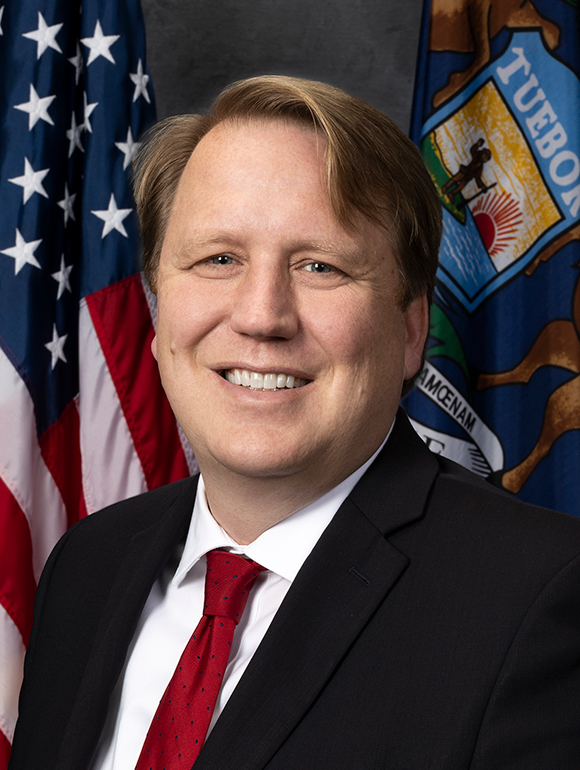
Darrin Camilleri
Darrin Camilleri Senate · District 4
D
Strong +
100% 3
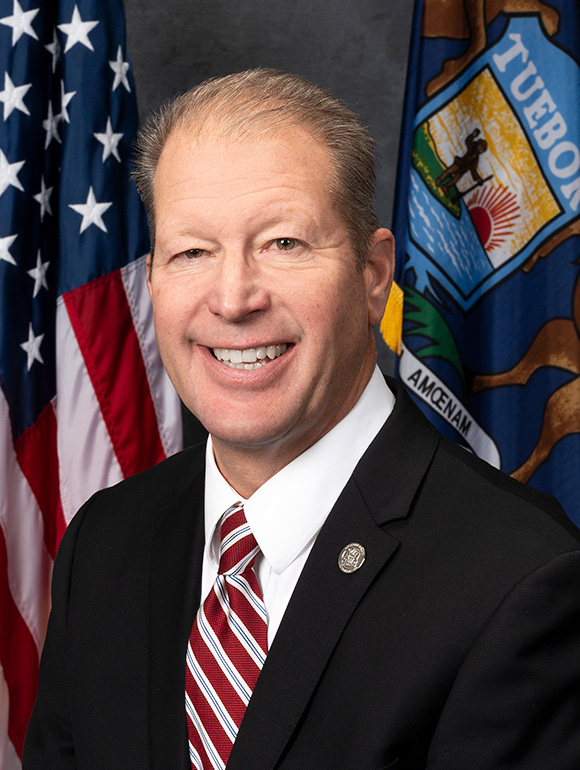
Dayna Polehanki
Dayna Polehanki Senate · District 5
D
Strong +
100% 3
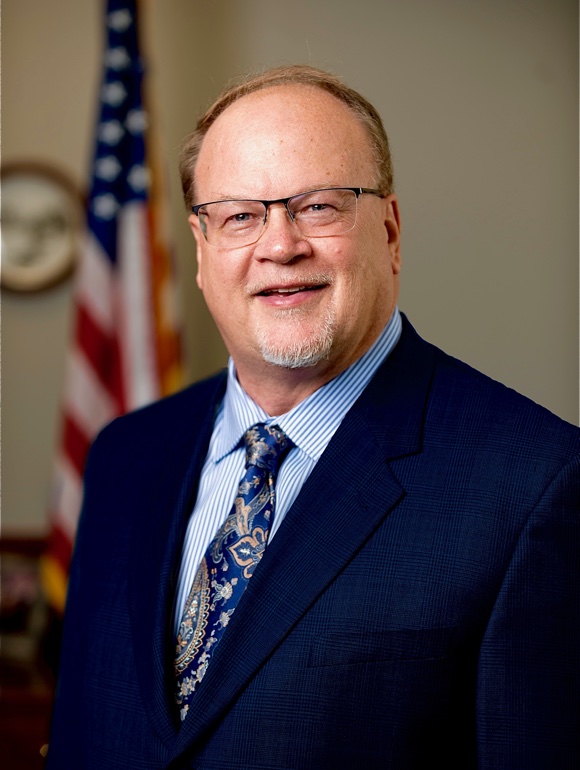
Ed McBroom
Ed McBroom Senate · District 38
R
Strong +
100% 3
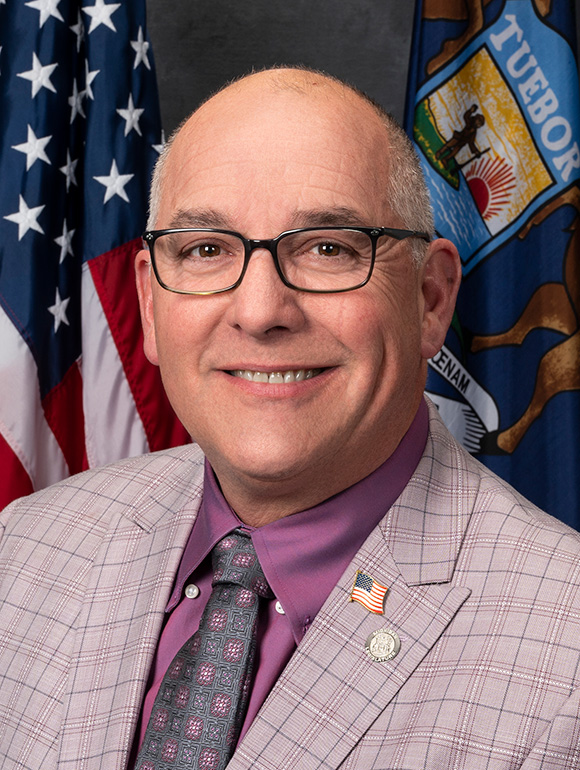
Erika Geiss
Erika Geiss Senate · District 1
D
Strong +
100% 3
Jeff Irwin
Jeff Irwin Senate · District 15
D
Strong +
100% 3
Aric Nesbitt
Aric Nesbitt Senate · District 20
R
Strong −
0% 3
Dan Lauwers
Dan Lauwers Senate · District 25
R
Strong −
0% 3
Jim Runestad
Jim Runestad Senate · District 23
R
Strong −
0% 3
Joe Bellino
Joe Bellino Senate · District 16
R
Strong −
0% 3
John Damoose
John Damoose Senate · District 37
R
Strong −
0% 3
Showing 11–13 of 13 bills

All technology bills

in committee · Michigan · House Sep 16, 2025

HB 4938: State: other; distribution of certain material; prohibit. Creates new act.

HB 4938, the "Anticorruption of Public Morals Act," prohibits the online distribution of specific material defined as "prohibited" under the bill. It directly affects internet service providers, social media platforms, websites, and commercial entities by requiring them to block access to material including most pornographic content (depicting specific sexual acts, AI-generated sexual content, or content involving gender expression that "disconnects biology and gender"), with exceptions for scientific/medical research and academic content. Key mechanisms include mandatory filtering systems for ISPs, requirements for platforms to implement AI and human content moderation with 2-day response times for flagged content, and annual transparency reports. Violations carry criminal penalties (up to 25 years in prison or $125,000 fines) or civil fines of up to $500,000 per violation, enforced by a new Attorney General's division.
in committee · Michigan · House Mar 19, 2026

HB 4429: Communications: internet; digital age assurance act; create. Creates new act.

HB 4429, the "Digital Age Assurance Act," requires device makers, operating systems, and app stores to verify user age and restrict access to mature content (sexually explicit material defined under federal law) for minors. It mandates that companies block mature content for users under 18, obtain parental consent for users under 16 before app downloads, and provide parental control tools for managing minors' online activity. Online services must also block mature content when they know a user is under 18 and display disclaimers for non-mature content. The Attorney General enforces the law, allowing 45 days to fix violations before imposing civil penalties up to $10,000 per violation.
in committee · Michigan · House Mar 19, 2026

HB 4388: Trade: business practices; regulation of social media use by minors; provide for. Creates new act.

HB 4388, the "Social Media Regulation Act," requires social media companies with at least 5 million global users to verify the age of Michigan residents applying for accounts and obtain explicit parental consent if the applicant is under 18. It directly affects minors in Michigan and major social media platforms, prohibiting account creation without age verification or parental consent for minors. The law excludes non-social media services like email, direct messaging, news sites, e-commerce, and school-specific platforms (e.g., learning management systems) from its requirements. The bill takes effect 180 days after enactment, mandating social media companies to deny applications that fail these verification steps.
Showing 11 to 13 of 13 bills