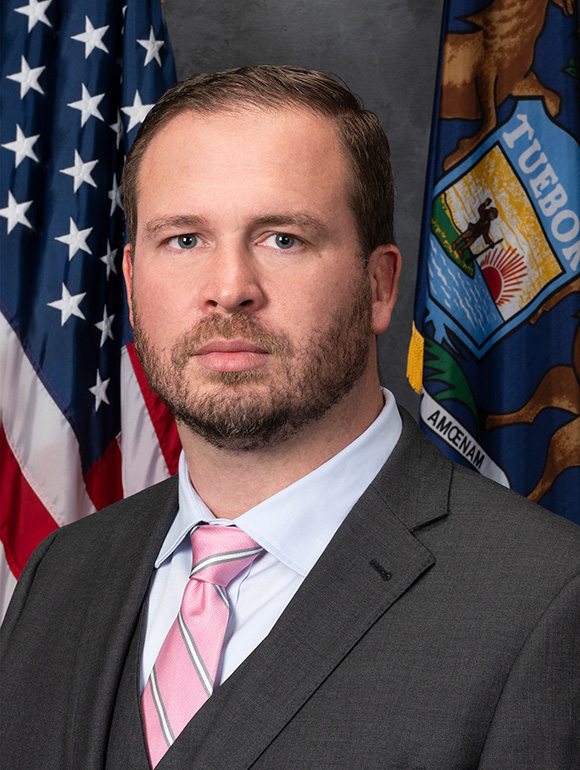
SB 757, the "Stop Addictive Feeds Exploitation for Kids Act," prohibits social media platforms from showing users under 18 an "addictive feed" (content recommended based on their data) without parental consent or verified knowledge the user is not a minor. It directly affects social media companies operating platforms with addictive feeds as a core feature, requiring them to obtain verifiable parental consent for minors or confirm non-minor status. Key provisions include banning notifications about addictive feeds to minors between 10 p.m. and 6 a.m. and during weekday school hours, restricting how age data is used, and imposing $5,000 fines per violation for noncompliance. The bill focuses on restricting algorithmic content delivery to minors, not banning social media use.
SB 758, the "Kids Code Act," establishes new rules for online platforms to protect children's safety and privacy. It prohibits major online services (with $25M+ annual revenue or 50k+ Michigan users) from using addictive design features like infinite scroll, auto-playing videos, or gamification that encourage excessive use by minors. The law requires platforms to verify a user's age when they have actual knowledge they are under 13 and restricts how they collect biometric data or use "dark patterns" that manipulate children. It directly affects large social media and app companies operating in Michigan with significant child users, while excluding platforms where over 98% of users are adults.
SB 759 amends Michigan's Consumer Protection Act to explicitly treat violations of the Kids Code Act (which protects children's online privacy) as violations of the main consumer protection law. This means companies that break rules about collecting or using children's data under the Kids Code Act would also face enforcement actions under the Consumer Protection Act. The key mechanism adds a new provision (section 3(dd)) to the Consumer Protection Act, linking Kids Code violations directly to existing consumer protection penalties. This bill primarily affects businesses operating in Michigan that handle children's personal information online, making compliance with both laws essential. The bill was introduced in December 2025 and referred to the Finance, Insurance, and Consumer Protection committee.
SB 760, the "Leading Ethical AI Development for Kids Act," prohibits operators of companion chatbots from making these AI systems available to minors (under 18) if they could encourage self-harm, unsafe behavior, or harmful interactions like sexual content. The bill specifically bans chatbots that simulate emotional relationships by retaining personal data, asking unsolicited emotional questions, or prioritizing user validation over safety. Operators face $25,000 fines per violation and can be sued by harmed minors or their guardians for damages. This applies to business-owned chatbots designed for ongoing emotional engagement - not customer service or internal tools - and takes effect in 2027.
SB 145 prohibits Michigan employers from asking job applicants about their past wages, credit scores, or credit history during the hiring process. This directly affects job seekers by preventing employers from using this information to make hiring or compensation decisions. The bill amends Michigan's Fair Employment Practices law to explicitly ban employers from requesting or seeking such details, replacing a prior prohibition on wage history inquiries. It aims to reduce pay discrimination by ensuring compensation decisions are based on current job requirements, not past earnings or credit data. The law would apply to all employers covered under Michigan's wage and employment protections.
SB 158 prohibits the use of automated programs (bots) to purchase event tickets online in bulk. It directly affects consumers trying to buy tickets fairly and venues or ticket sellers using such bots to manipulate sales. The bill creates a new legal prohibition against these automated ticket-buying practices, making it illegal for businesses to deploy them. This policy change aims to prevent scalping and ensure equitable access to tickets for the general public.
HB 4263 prohibits sellers from using automated programs to bypass purchase limits during online ticket sales for concerts, sports events, and other public entertainment events requiring admission fees. It bans circumventing security systems that enforce ticket limits, electronic queues, or fraud checks, targeting practices like bot-driven bulk purchases. The law directly affects ticket sellers (who must implement these security measures) and buyers attempting to use automated tools to bypass restrictions. This creates new requirements for online ticket sales to ensure fair access to event tickets.
SB 165 is a funding bill that allocates $166.4 million in state general funds for Michigan's Department of Education during the 2025-2026 fiscal year. It provides specific appropriations for key programs including special education services ($9.8 million), Michigan Schools for the Deaf and Blind ($19.4 million), and departmental operations like information technology ($4.9 million). The bill directs state funds to cover salaries, program operations, and essential services across education departments, with additional support from federal and private revenue sources. It directly affects state education programs and administrative functions, ensuring funding continuity for existing services without creating new policies.