Issue · Labor & Employment

Labor & Employment (Labor Standards)

Every labor & employment bill, vote, and legislator stance in Michigan, automatically classified by Maddy, our AI policy reader.

Total bills
67
2025-2026 Regular Session
Top supporter
Dayna Polehanki
100% support rate
Top opponent
Emily Dievendorf
14% support rate
Ranked legislators
10
5 support · 5 oppose
Key legislators

Who's moving labor standards in Michigan

Legislators moving labor standards in Michigan
Legislator Party Stance Support rate Votes
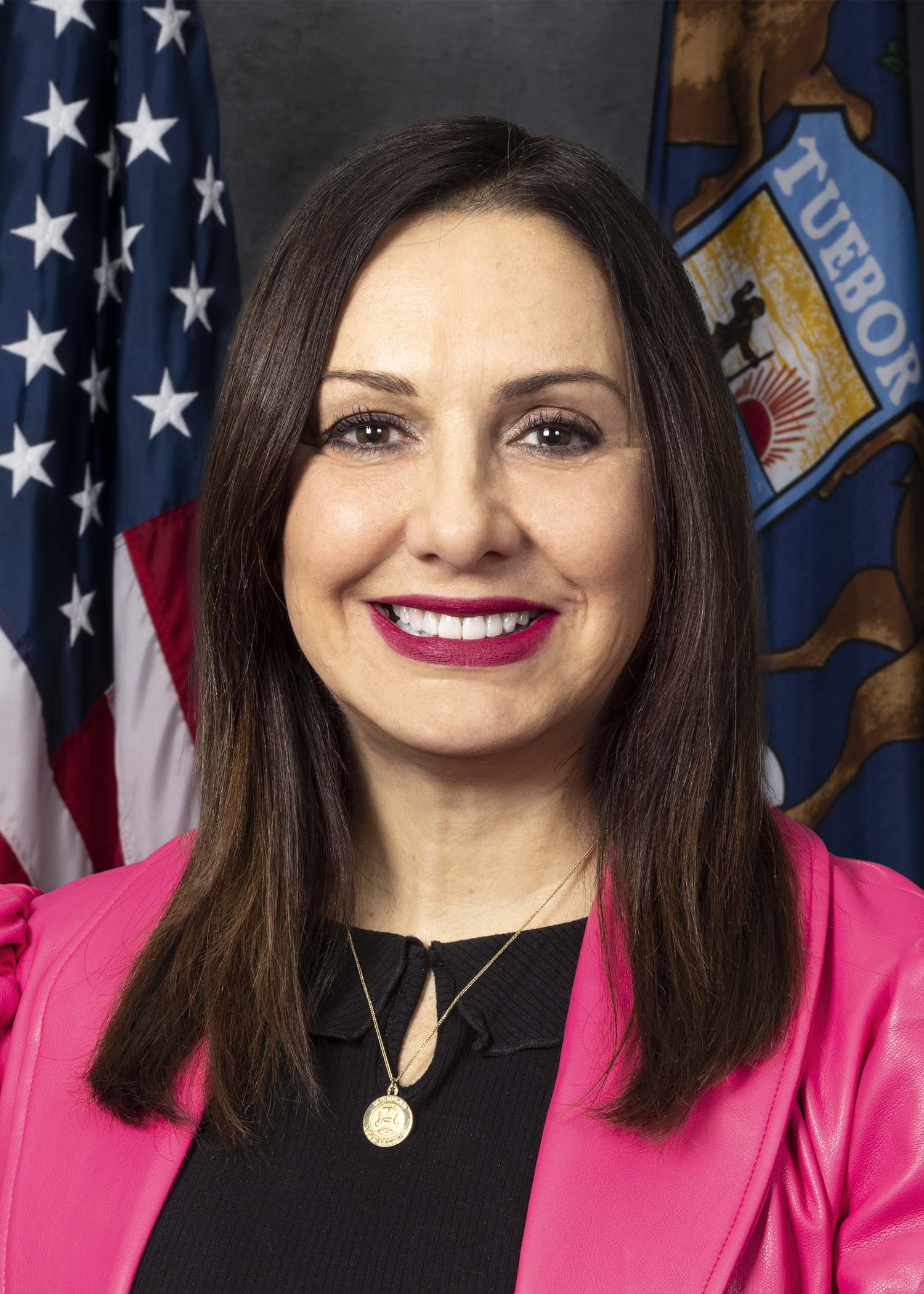
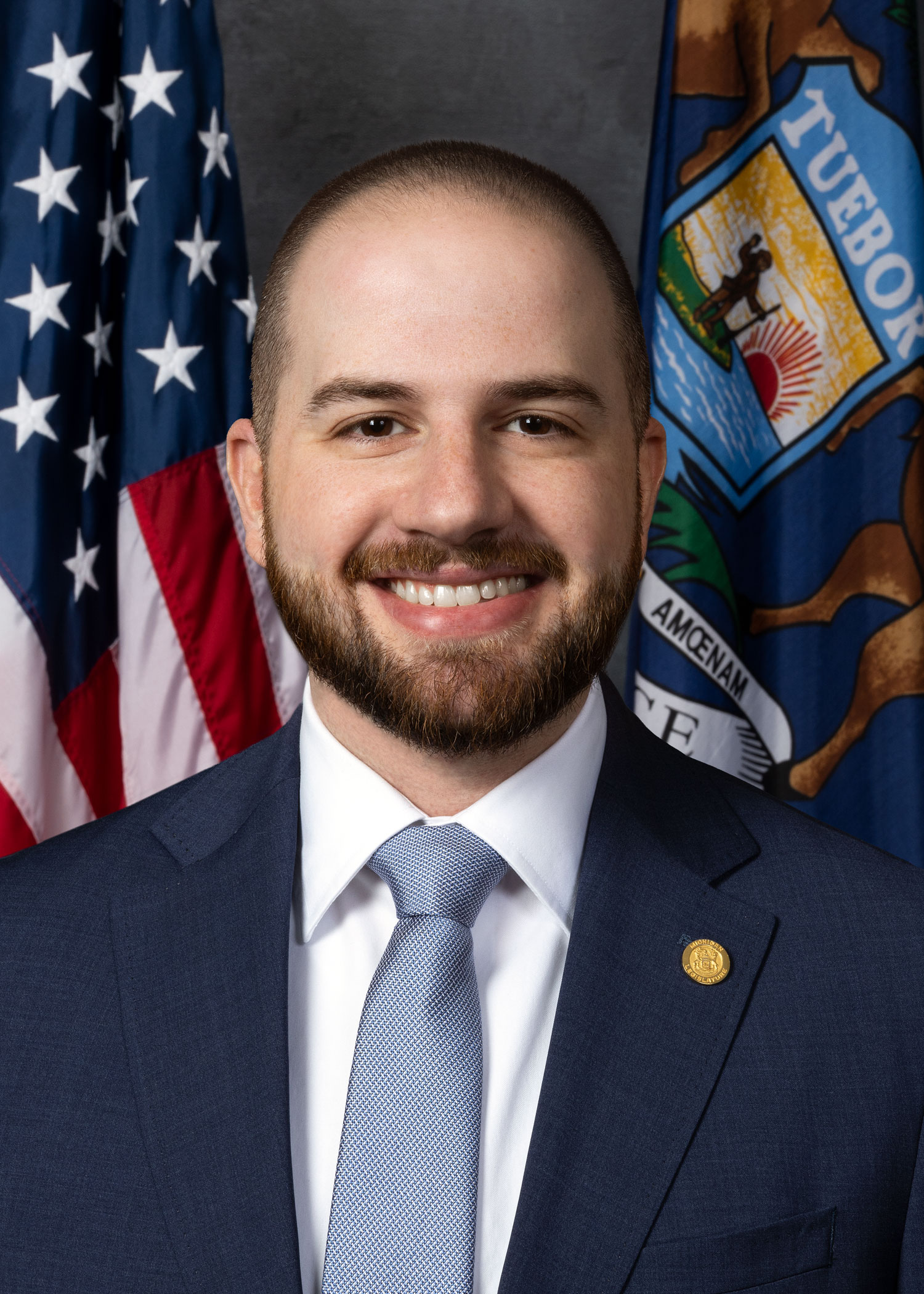
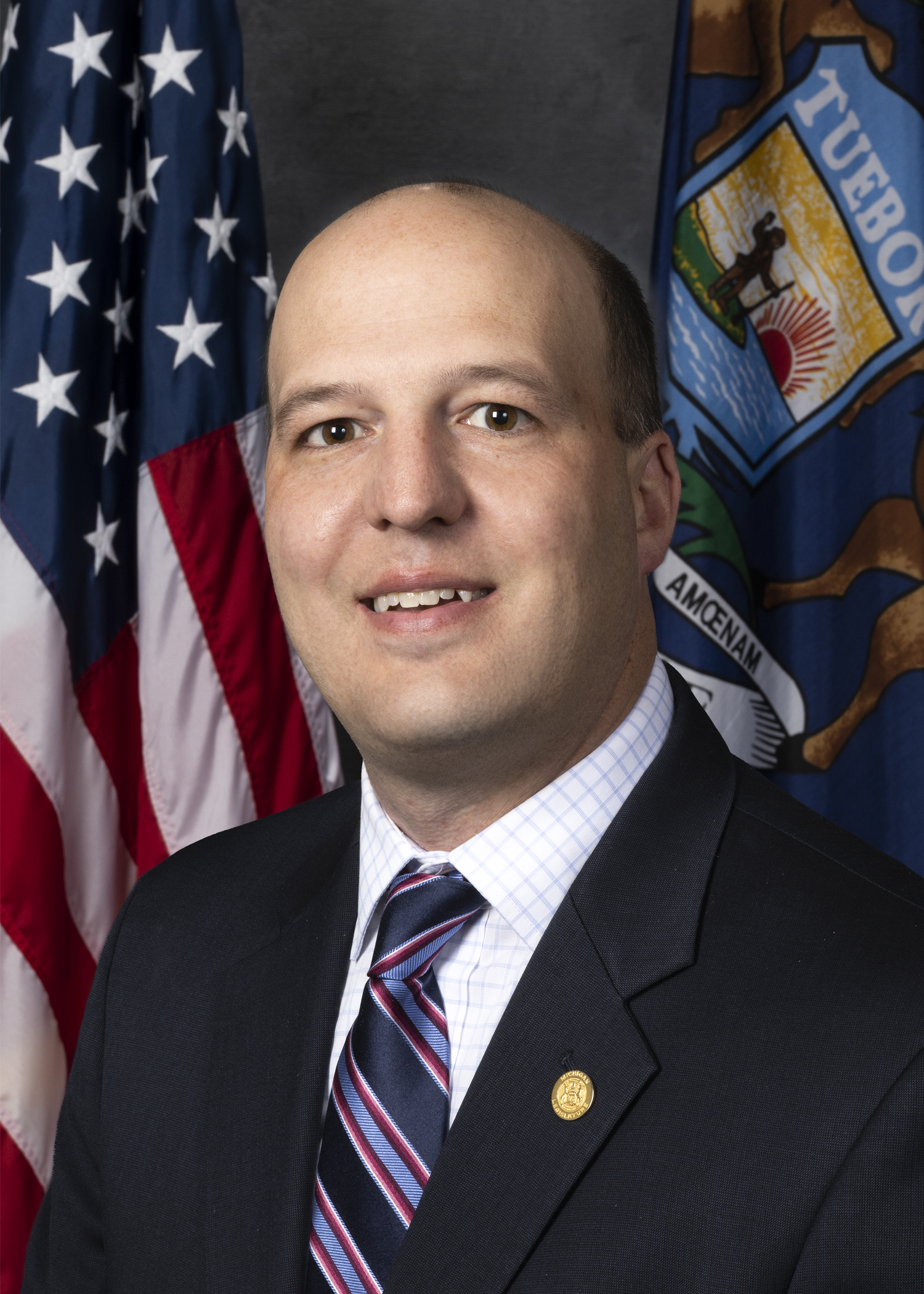
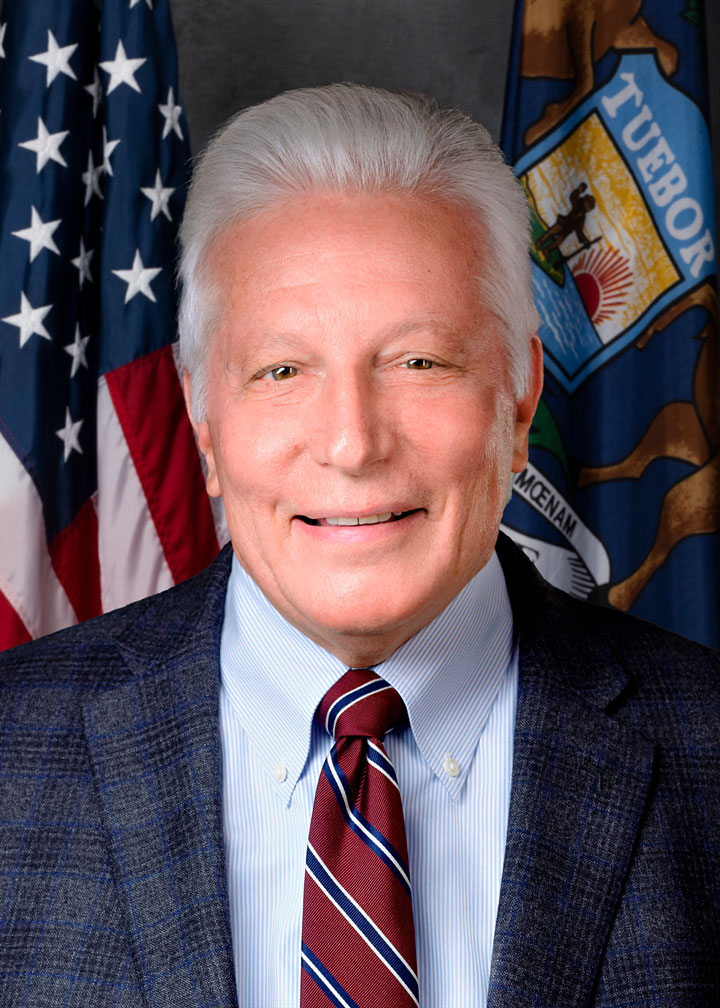
Dayna Polehanki
Dayna Polehanki Senate · District 5
D
Strong +
100% 5
Jeremy Moss
Jeremy Moss Senate · District 7
D
Strong +
100% 5
Kevin Hertel
Kevin Hertel Senate · District 12
D
Strong +
100% 5
Paul Wojno
Paul Wojno Senate · District 10
D
Strong +
100% 5
Sam Singh
Sam Singh Senate · District 28
D
Strong +
100% 5
Emily Dievendorf
Emily Dievendorf House · District 77
D
Strong −
14% 7
Erin Byrnes
Erin Byrnes House · District 15
D
Strong −
14% 7
Jason Morgan
Jason Morgan House · District 23
D
Strong −
14% 7
Joe Tate
Joe Tate House · District 9
D
Strong −
14% 7
Julie Brixie
Julie Brixie House · District 73
D
Strong −
14% 7
Showing 41–50 of 67 bills

All labor & employment bills

in committee · Michigan · House Apr 17, 2025

HB 4321: Labor: hours and wages; identity of employee who files a complaint under 1978 PA 390; prohibit department from disclosing to employer if requested by employee. Amends sec. 11 of 1978 PA 390 (MCL 408.481).

House Bill 4321 proposes an amendment to the existing law governing the payment of wages and fringe benefits to employees. This bill introduces a new provision that allows employees to request that their identity be withheld from their employer when filing a complaint about alleged wage or benefit violations. If such a request is made, the Department of Labor is prohibited from disclosing the employee's identity to the employer, to the extent allowed by law. This change directly affects employees who file complaints by offering them potential anonymity, and employers who will receive complaints without knowing the specific employee's identity if requested.
in committee · Michigan · House Apr 17, 2025

HB 4323: Labor: fair employment practices; whistleblowers' protection act; modify definition of employee and protected activities. Amends title & secs. 1, 2, 3 & 5 of 1980 PA 469 (MCL 15.361 et seq.) & adds sec. 4a.

HB 4323 proposes amendments to Michigan's Whistleblowers' Protection Act, aiming to expand protections for individuals reporting violations of state, local, or federal law. The bill broadens the definition of "employee" to include independent contractors and certain prospective employees, and adds refusing to participate in a violation as a protected activity. It extends the time limit for filing a civil action to two years and increases the civil fine for employers who violate the act from $500 to $10,000. Additionally, the bill introduces a mechanism to award the first reporting employee 30% of any money the state recovers as a result of their report.
Sub-Topics Labor Standards
in committee · Michigan · House Apr 17, 2025

HB 4326: Labor: fair employment practices; whistleblower protection; modify to include employees reporting to the state employee ombudsman or the press. Amends secs. 1, 2 & 3 of 1980 PA 469 (MCL 15.361 et seq.). TIE BAR WITH: HB 4316'25

House Bill 4326 amends Michigan's Whistleblowers' Protection Act to expand the types of disclosures protected from employer retaliation. It prohibits employers from discharging or discriminating against employees who report a violation or suspected violation of law to "the press" or "the state employee ombudsman." The bill also protects employees who are asked to participate in investigations by a public body or the state employee ombudsman. It clarifies that "employee" includes state employees (excluding the state classified civil service) and outlines civil action procedures for alleged violations.
in committee · Michigan · House Apr 30, 2025

HB 4409: Labor: fair employment practices; written job descriptions; require employers to create and disclose to job applicants and certain employees, and establish sanctions and remedies for a violation. Amends title & sec. 18 of 1978 PA 390 (MCL 408.488) & adds sec. 9a.

House Bill 4409 requires employers in Michigan to create and maintain a written job description for every position, directly affecting employers, job applicants, and current employees. These descriptions must detail essential duties, required skills, working conditions, schedule, and salary information. Employers must provide the applicable job description to applicants during recruitment, hiring, or promotion, and to any employee upon request. Current employees must also be given an opportunity to review and initial any revised job description before it is applied to them. Violations can lead to escalating civil fines for employers and allow aggrieved individuals to sue for actual damages or $10,000, plus attorney fees.
Sub-Topics Labor Standards
in committee · Michigan · House May 7, 2025

HB 4456: Labor: fair employment practices; employer monitoring of employee communications; prohibit unless the employer establishes an employee monitoring policy and discloses that policy to employees. Creates new act.

House Bill 4456 regulates how employers in Michigan monitor their employees' communications. It prohibits employers from monitoring employee communications unless they establish a written policy that is disclosed to and acknowledged by each employee. This policy must specify the methods, media, types, and frequency of monitoring, and applies only to electronic devices owned by the employer. The bill explicitly prohibits monitoring personal employee devices. Employers who violate these provisions may be liable for damages to the affected employee, including a minimum of $5,000 plus attorney fees.
Sub-Topics Labor Standards
in committee · Michigan · House May 7, 2025

HB 4448: Labor: other; cause for termination of employment; require. Creates new act.

House Bill 4448, known as the "Wrongful Discharge from Employment Act," aims to protect employees in Michigan by prohibiting employers from terminating their employment without cause. Under this bill, a discharge is considered wrongful if it's in retaliation for an employee reporting or refusing to violate public policy, is not for "just cause" after a probationary period, or violates the employer's own written policies. The bill defines "just cause" and limits employee probationary periods to a maximum of three months. Employees who believe they have been wrongfully discharged can either file a lawsuit to recover lost wages and potentially punitive damages, or file a complaint with the Department of Labor and Economic Opportunity, which will investigate and attempt to resolve the issue.
in committee · Michigan · House May 7, 2025

HB 4439: Labor: health and safety; employee communication regarding an occupational safety and health practice or hazard; prohibit an employer from taking an adverse employment action based on. Amends 1974 PA 154 (MCL 408.1001 - 408.1094) by adding sec. 66a.

House Bill 4439 amends the Michigan occupational safety and health act to protect employees who refuse to work due to a reasonable belief of exposure to a communicable disease or unsafe condition. This protection applies if the employee first requested the employer to correct the issue, the issue was not corrected, and the employee reported it to the Michigan Occupational Safety and Health Administration (MIOSHA). If an employee is not reassigned under these circumstances, the employer must pay their wages for the period the condition remains uncorrected. The bill also creates a presumption of employer violation if adverse action is taken against an employee within 90 days of them engaging in these protected activities.
in committee · Michigan · House May 7, 2025

HB 4437: Labor: health and safety; Michigan occupational safety and health violations; modify civil penalties. Amends sec. 35 of 1974 PA 154 (MCL 408.1035).

HB 4437 amends the Michigan Occupational Safety and Health Act (MIOSHA) to modify civil penalties for workplace safety violations. The bill changes the maximum civil penalty amounts for various violations, such as serious or willful offenses, to be equivalent to federal OSHA penalties. It also requires the state director to initiate administrative rules to update Michigan's penalties to match any changes in federal penalties. This legislation directly affects employers in Michigan by linking potential MIOSHA fines to federal standards.
in committee · Michigan · Senate May 14, 2025

SB 6: Labor: fair employment practices; various employer requirements; provide for. Amends secs. 1, 7, 11, 13, 13a, 14, 15, 18 & 19 of 1978 PA 390 (MCL 408.471 et seq.) & adds secs. 13c & 13d.

SB 6 updates Michigan's wage law to strengthen employee protections around pay deductions. It requires written employee consent for most wage deductions (including charitable contributions to nonprofits) and limits overpayment deductions to 15% of gross wages without consent. The bill clarifies that fringe benefits (like vacation pay) are separate from wages and creates new rules for employers dealing with independent contractors. These changes directly affect employers across Michigan and their employees who receive wages or fringe benefits.
in committee · Michigan · Senate Jun 24, 2025

SB 436: Labor: collective bargaining; right to work; restore. Amends secs. 1, 2, 14 & 17 of 1939 PA 176 (MCL 423.1 et seq.).

SB 436 amends Michigan's labor law to restore a "right to work" provision, prohibiting employers and labor organizations from requiring employees to pay union dues or fees as a condition of employment. The bill explicitly bans mandatory union dues (Section 14(2)), making any agreement requiring such payments unlawful and unenforceable after its effective date. It also allocates $1 million to the Department of Labor for public education and implementation support regarding these changes. The bill directly affects employees (who can no longer be forced to pay union fees), employers (who cannot require such payments), and labor organizations (which must operate under voluntary membership).
Showing 41 to 50 of 67 bills
Previous 1 4 5 6 7 Next