Issue · Healthcare

Healthcare (Mental Health)

Every healthcare bill, vote, and legislator stance in Michigan, automatically classified by Maddy, our AI policy reader.

Total bills
72
2025-2026 Regular Session
Top supporter
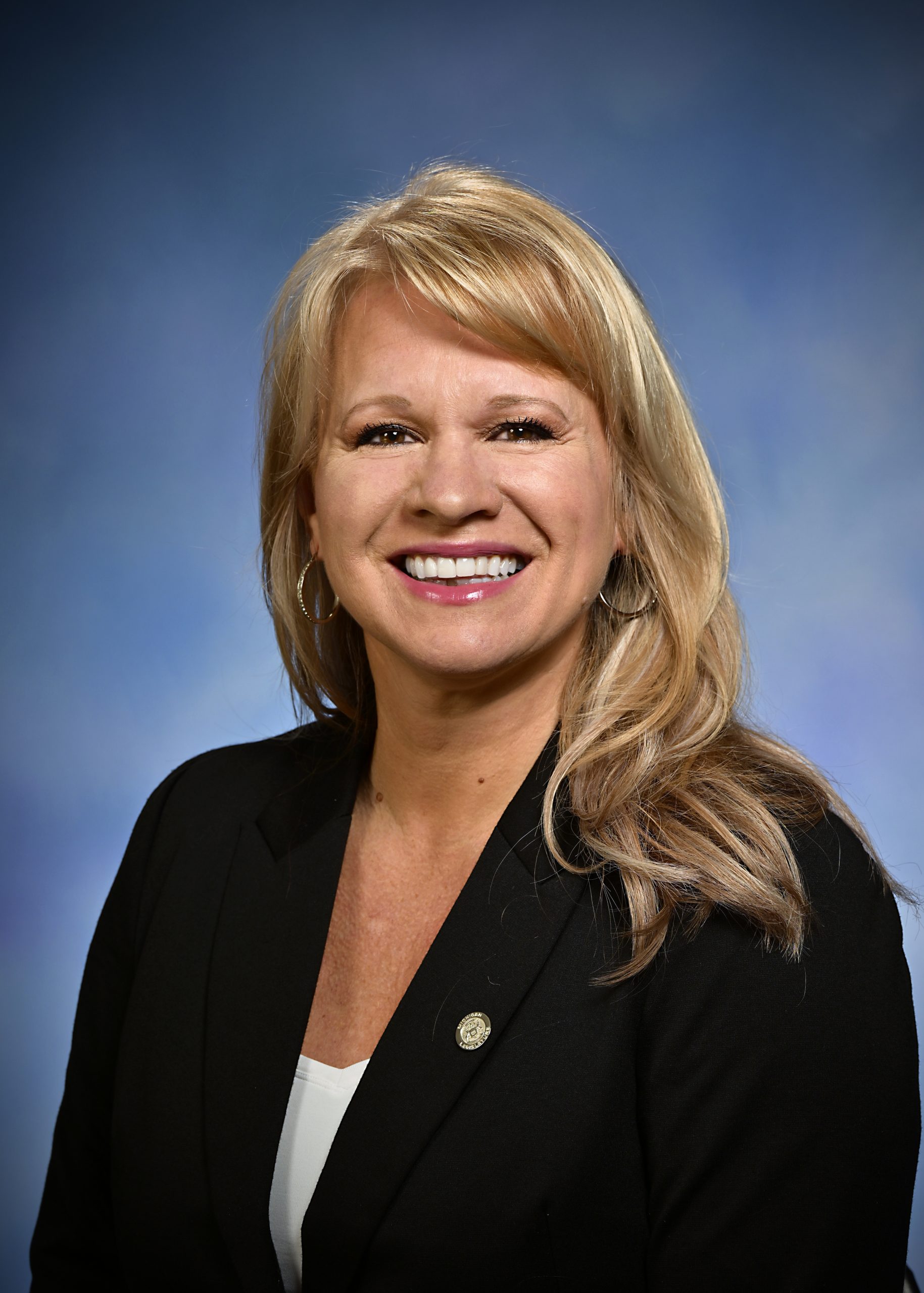
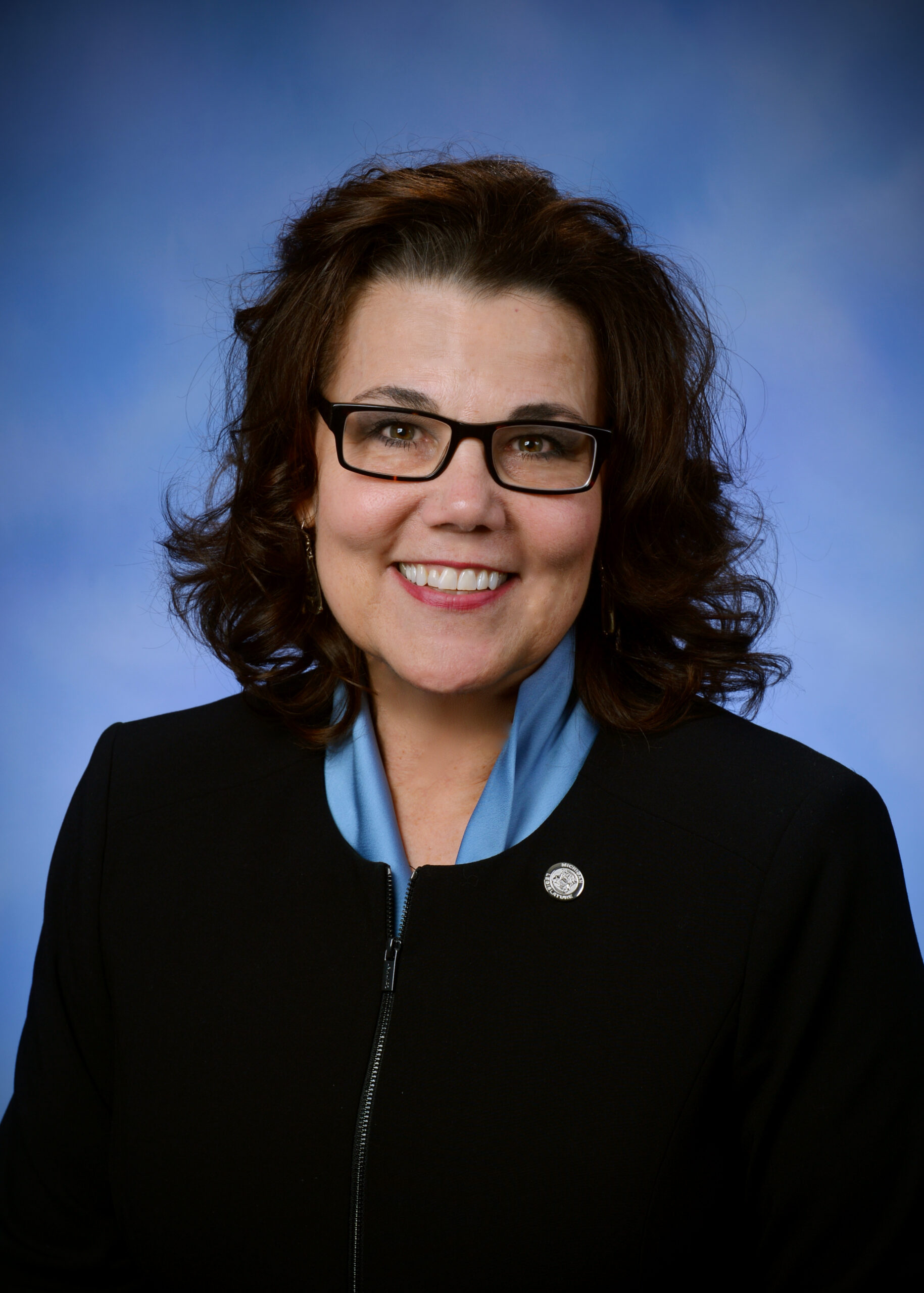
Alicia St. Germaine
100% support rate
Top opponent
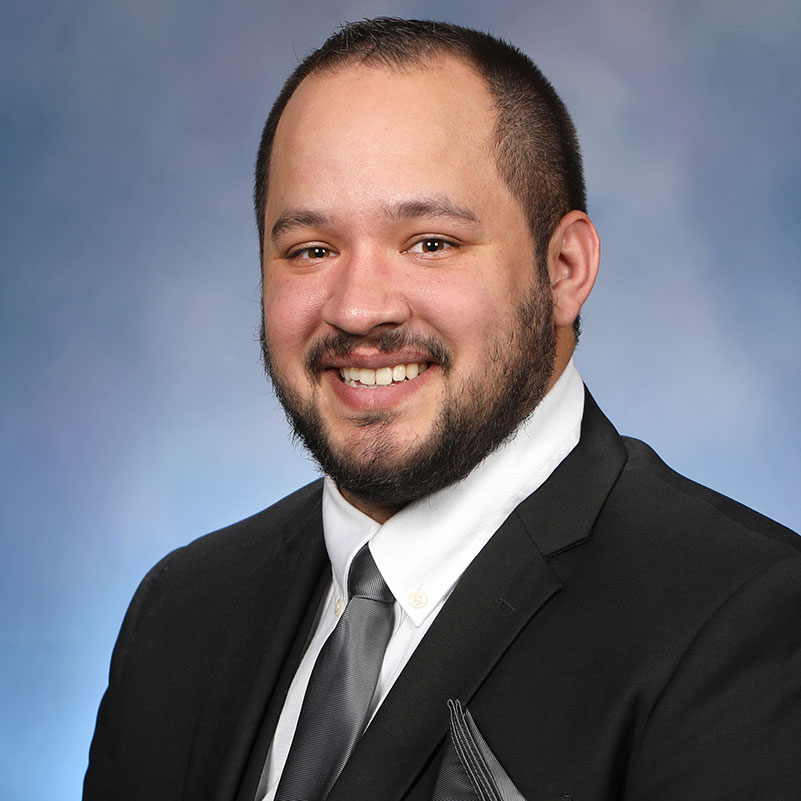
Dylan Wegela
0% support rate
Ranked legislators
10
5 support · 5 oppose
Key legislators

Who's moving mental health in Michigan

Legislators moving mental health in Michigan
Legislator Party Stance Support rate Decisive votes
Alicia St. Germaine
Alicia St. Germaine House · District 62
R
Strong +
100% 4
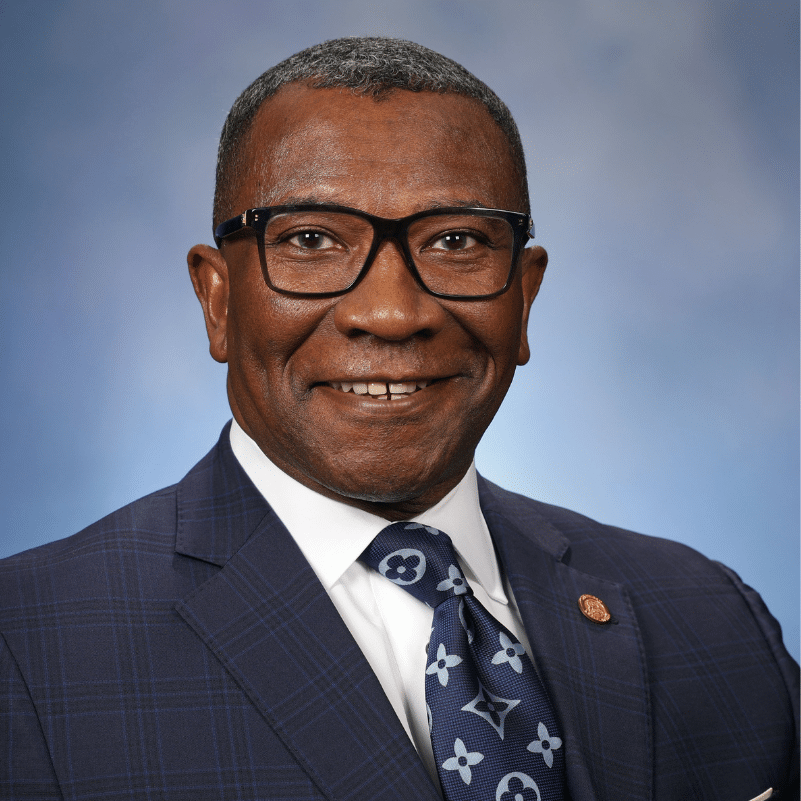
Amos O'Neal
Amos O'Neal House · District 94
D
Strong +
100% 4
Angela Rigas
Angela Rigas House · District 79
R
Strong +
100% 4
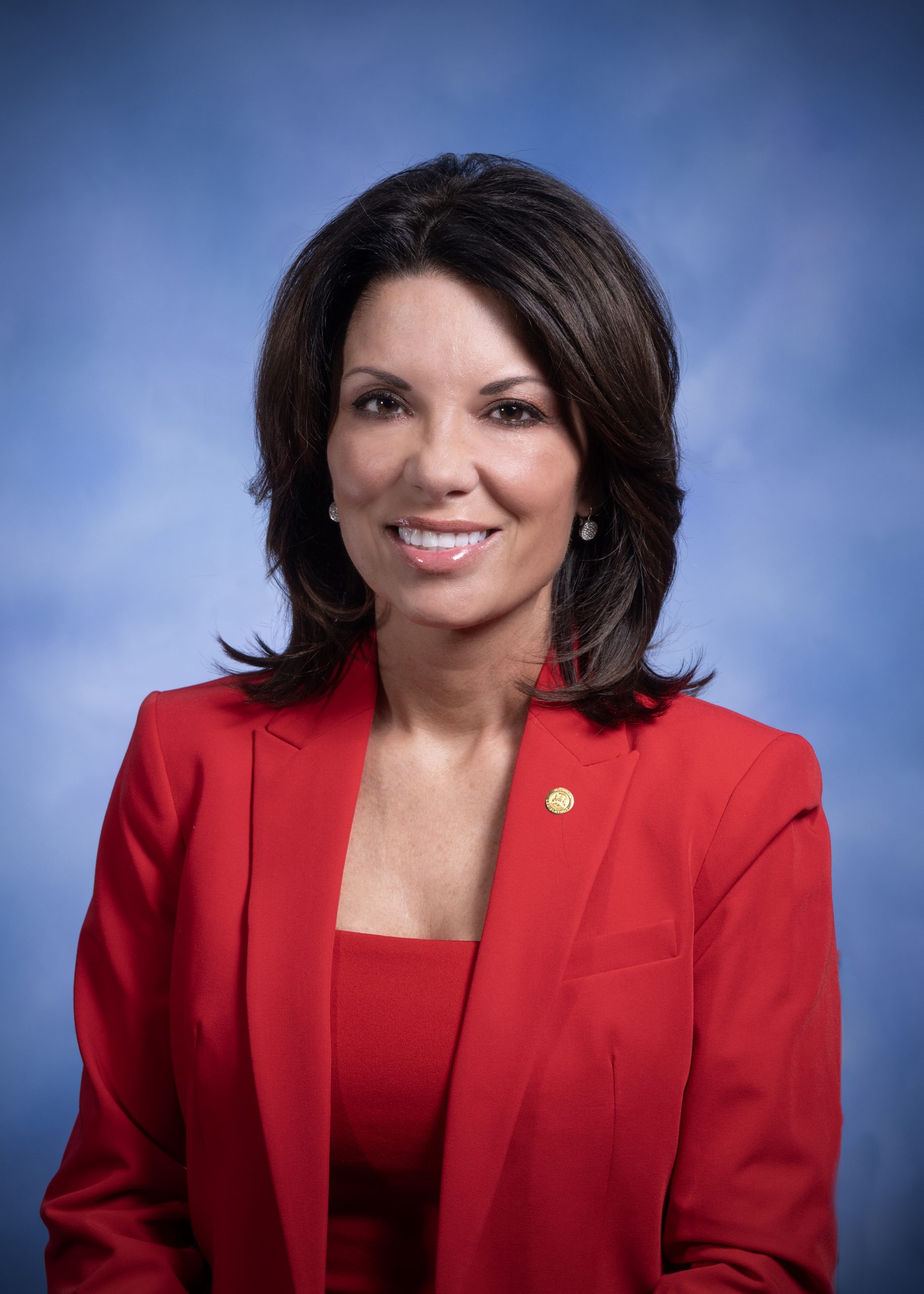
Angela Witwer
Angela Witwer House · District 76
D
Strong +
100% 4
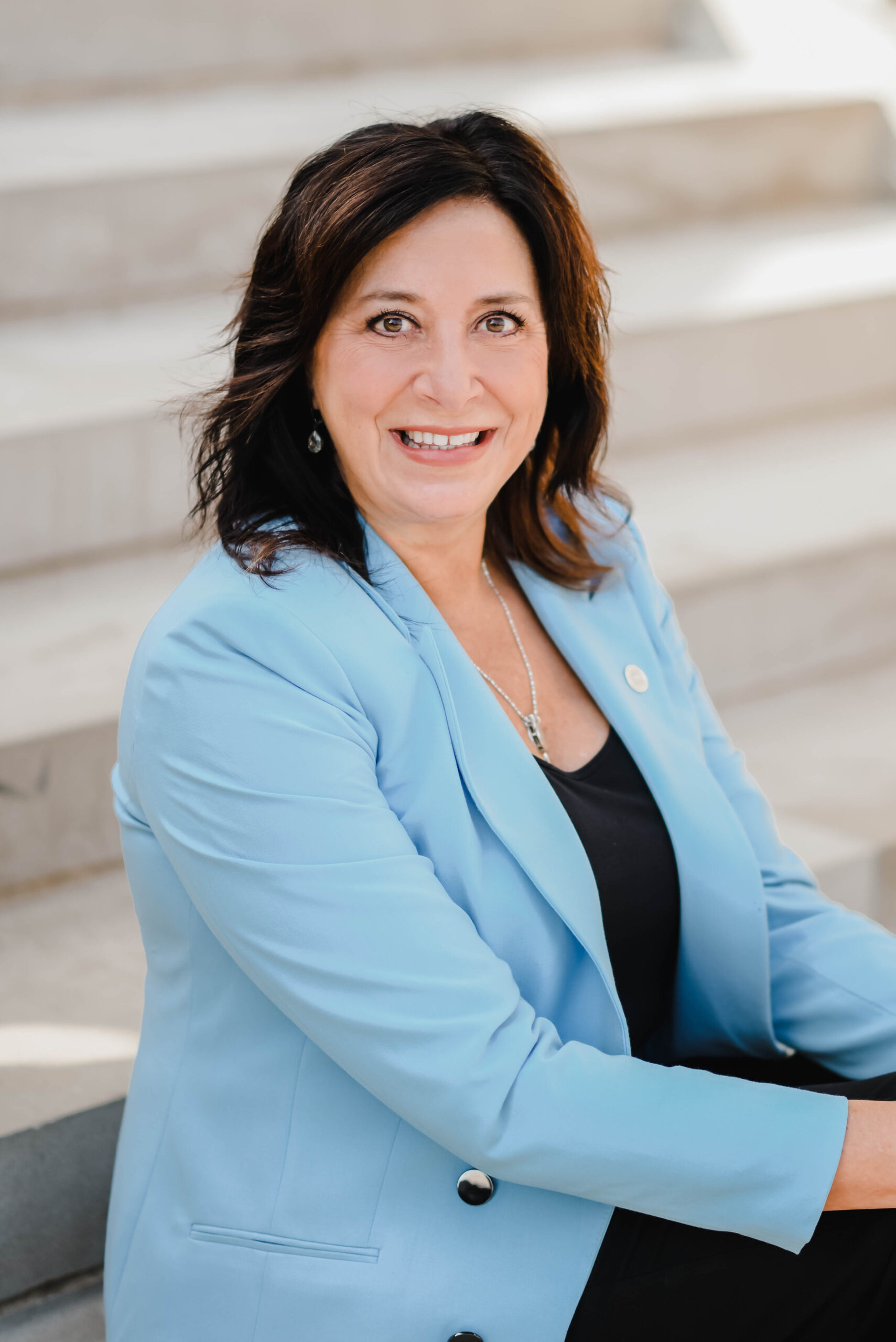
Ann Bollin
Ann Bollin House · District 49
R
Strong +
100% 4
Dylan Wegela
Dylan Wegela House · District 26
D
Strong −
0% 4
Erin Byrnes
Erin Byrnes House · District 15
D
Strong −
0% 4
Helena Scott
Helena Scott House · District 8
D
Strong −
0% 4
Jason Morgan
Jason Morgan House · District 23
D
Strong −
0% 4
Jaz Martus
Jaz Martus House · District 69
D
Strong −
0% 4
Showing 31–40 of 72 bills

All healthcare bills

in committee · Michigan · Senate May 21, 2026

SB 1007: Mental health: guardians; appointing certain guardians after considering least restrictive means; require. Amends sec. 602 of 1974 PA 258 (MCL 330.1602).

This bill requires Michigan courts to prioritize less restrictive alternatives before appointing a guardian for individuals with developmental disabilities. It mandates that judges first explore options such as using a power of attorney, a trust, a representative payee, supported decision-making, or partial guardianship to meet the individual's needs. If a full guardianship is deemed necessary, the law specifies that it must be limited strictly to what is required for protection and that personal liberty and financial freedom should not be restricted more than needed. The changes aim to encourage maximum self-reliance and independence while ensuring protection from neglect, exploitation, and abuse.
Sub-Topics Mental Health
in committee · Michigan · Senate Mar 26, 2026

SB 893: Insurance: insurers; insurance providers to panel a mental health provider within a certain time period of application process; require. Amends 1956 PA 218 (MCL 500.100 - 500.8302) by adding sec. 3406mm.

This bill requires health insurance companies in Michigan to review and decide on new mental health provider applications within 60 calendar days of receiving a complete application, or within 45 days if an extension is granted for complex cases like license sanctions. If an insurer fails to approve or deny an application within the required timeframe, the provider must still be reimbursed for covered services submitted after the deadline, using either the insurer's standard in-network rate or the median rate paid to similar providers. The law also mandates that insurers send written requests for missing information within 10 business days and add approved providers to their payment systems and directories promptly. These rules apply to all licensed mental health professionals, including physicians, psychologists, social workers, and therapists, and cover both initial applications and recredentialing.
in committee · Michigan · Senate Mar 26, 2026

SB 894: Insurance: health benefits; nonprofit health care corporation to panel a mental health provider within a certain time period of the application process; require. Amends 1980 PA 350 (MCL 550.1101 - 550.1704) by adding sec. 414c.

This bill requires nonprofit health care corporations in Michigan to review mental health provider applications within 60 calendar days and either approve or deny them in writing. It mandates that corporations send written requests for missing information within 10 business days if an application is incomplete, and allows a 15-day extension only for serious issues like sanctions or felony convictions. The legislation also ensures that providers can receive payment for services rendered during the credentialing review period if they meet specific criteria, including having no license sanctions and professional liability insurance. Additionally, the bill defines which mental health professionals are covered, including physicians, psychologists, social workers, and therapists.
passed · Michigan · House Jun 24, 2026

HB 5729: Health: substance use disorder; persons required to hold a substance use disorder services program license; modify and require uniform rules as is reasonable. Amends secs. 6230, 6233, 6234 & 6238 of 1978 PA 368 (MCL 333.6230 et seq.).

This bill requires most programs offering substance use disorder prevention, treatment, or rehabilitation services in Michigan to obtain a license from the Department of Licensing and Regulatory Affairs, with exceptions for hospitals, psychiatric facilities, crisis stabilization units, and certain long-standing nonprofit organizations. It directs the department to create a licensing unit and establish uniform rules covering program organization, staffing, facilities, financial audits, and quality control measures. The legislation also sets a one-year license term, mandates department inspections every three years, and allows waivers for programs accredited by recognized health facility accrediting bodies.
Sub-Topics Mental Health Substance Abuse Tags Licensing
in committee · Michigan · House Apr 14, 2026

HB 5772: Children: protection; fetal alcohol spectrum disorders task force; create. Creates new act.

This Michigan bill establishes a new Fetal Alcohol Spectrum Disorders Task Force within the state legislative council to address prevention, identification, treatment, and support for individuals affected by prenatal alcohol exposure. The task force will be composed of voting members including parents of affected children, medical and mental health professionals, educators, and legislators, along with ex officio members from state agencies. Its primary duties include developing a statewide strategic plan to reduce prenatal alcohol exposure, reviewing and recommending improvements to existing programs, creating educational resources for schools, and submitting annual reports to the governor and legislature on needs assessments and funding recommendations.
Sub-Topics Mental Health
passed · Michigan · House Jun 24, 2026

HB 5731: Health facilities: licensing; exemptions from the substance use disorder license requirement; include crisis stabilization units. Amends secs. 100a & 260 of 1974 PA 258 (MCL 330.1100a & 330.1260) & repeals sec. 973 of 1974 PA 258 (MCL 330.1973). TIE BAR WITH: HB 5729'26

This bill modifies Michigan's Mental Health Code to update definitions and clarify requirements for health facilities, particularly regarding substance use disorder licensing and crisis stabilization units. It amends existing sections to include crisis stabilization units within the scope of facilities that may be exempt from certain substance use disorder license requirements, while also repealing an outdated section. The legislation primarily affects community mental health services programs, licensed hospitals, and adult foster care facilities by refining how they must be classified and regulated under state law. These changes aim to align the code with current service delivery models without altering the core licensing framework for mental health providers.
in committee · Michigan · House Mar 3, 2026

HB 5604: Appropriations: department of health and human services; appropriations for fiscal year 2026-2027 for Medicaid and behavioral health; provide for. Creates appropriation act.

HB 5604 allocates state funding for Medicaid and behavioral health services under Michigan's Department of Health and Human Services for the 2026-2027 fiscal year (ending September 30, 2027). It provides the specific budget amounts needed to cover these programs, directly affecting Medicaid recipients and behavioral health providers across the state. The bill is procedural, establishing the legal framework for spending these funds but not changing program rules or eligibility.
in committee · Michigan · Senate May 13, 2026

SB 799: Mental health: facilities; licensure for adult residential psychiatric programs; provide for. Creates new act.

SB 799 creates a new licensing system for adult psychiatric residential treatment facilities (APRTFs) that provide 24-hour residential psychiatric care to adults 18+ with severe mental health needs. It requires facilities to obtain a license from the Michigan Department of Licensing and Regulatory Affairs, pay fees ($2,000 initial, $1,000 renewal), and undergo on-site inspections before operating. The bill sets standards for care, defines prohibited exclusions (like psychiatric hospitals or nursing homes), and specifies that licensed facilities must offer individualized treatment plans certified by a physician. This directly affects APRTFs currently operating without state licensing, requiring them to meet new regulatory requirements to continue providing services.
in committee · Michigan · House Mar 3, 2026

HB 5496: Taxation: excise taxes; excise tax on the purchase of wireless communications devices; require for purchases of devices primarily for the use of individuals under 18 years of age. Creates new act.

HB 5496 imposes a 32% excise tax on the purchase price of wireless communications devices (like smartphones) sold primarily for use by individuals under 18 years old, effective January 1, 2026. The tax is collected at the point of sale by retailers, similar to other state taxes, and applies only to devices that support internet, apps, or multimedia - excluding basic telephones. All tax revenue flows into a new "Children's Mental Health and Safety Fund" in the state treasury, which must be used exclusively for mental health and safety programs for children as defined by existing law. The fund’s money remains available annually and cannot be redirected to the general state budget.
in committee · Michigan · House Dec 9, 2025

HB 5334: Health facilities: hospitals; assessment by preadmission screening unit of individual being considered for hospitalization within certain period after notification; require. Amends secs. 409 & 972 of 1974 PA 258 (MCL 330.1409 & 330.1972).

HB 5334 requires Michigan community mental health programs to establish 24-hour preadmission screening units that assess individuals considered for hospitalization within 3 hours of notification. These units must be staffed by qualified mental health professionals (including licensed social workers or master's-level clinicians) and determine clinical suitability for voluntary hospital admission. The bill also mandates second-opinion evaluations within 3 days if hospitalization is denied, and outlines crisis stabilization services for up to 72 hours. It directly affects individuals seeking mental health hospitalization, community mental health programs, and hospitals operating under contract with these programs.
Showing 31 to 40 of 72 bills
Previous 1 … 3 4 5 … 8 Next