Issue · Healthcare

Healthcare (Insurance)

Every healthcare bill, vote, and legislator stance in Michigan, automatically classified by Maddy, our AI policy reader.

Total bills
54
2025-2026 Regular Session
Top supporter
Darrin Camilleri
100% support rate
Top opponent
Joe Bellino
0% support rate
Ranked legislators
10
5 support · 5 oppose
Key legislators

Who's moving insurance in Michigan

Legislators moving insurance in Michigan
Legislator Party Stance Support rate Votes
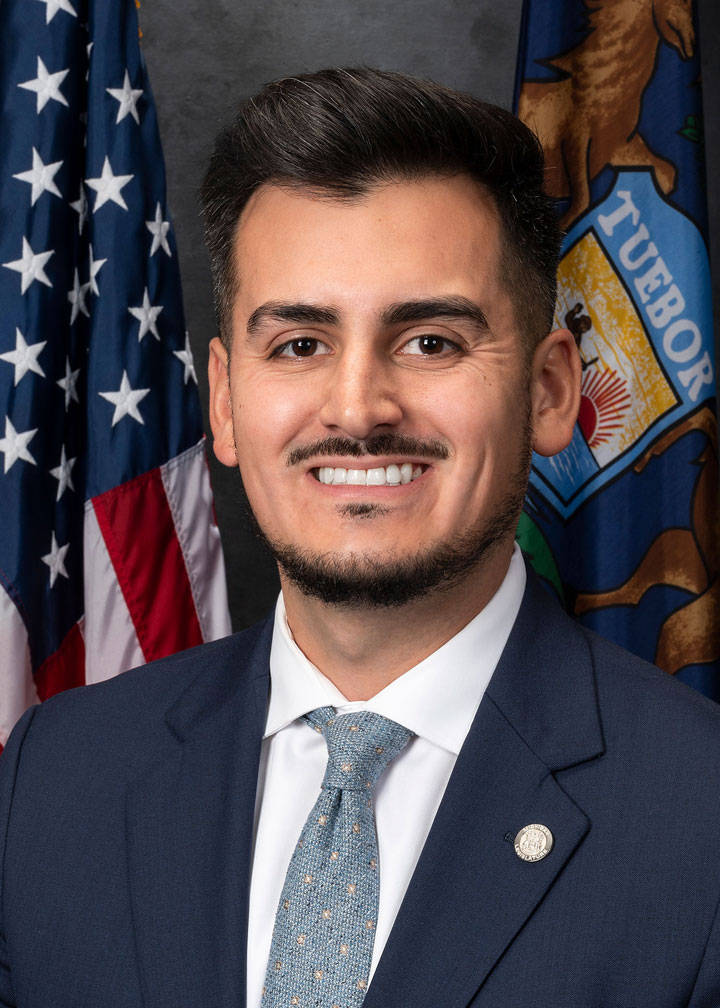
Darrin Camilleri
Darrin Camilleri Senate · District 4
D
Strong +
100% 8
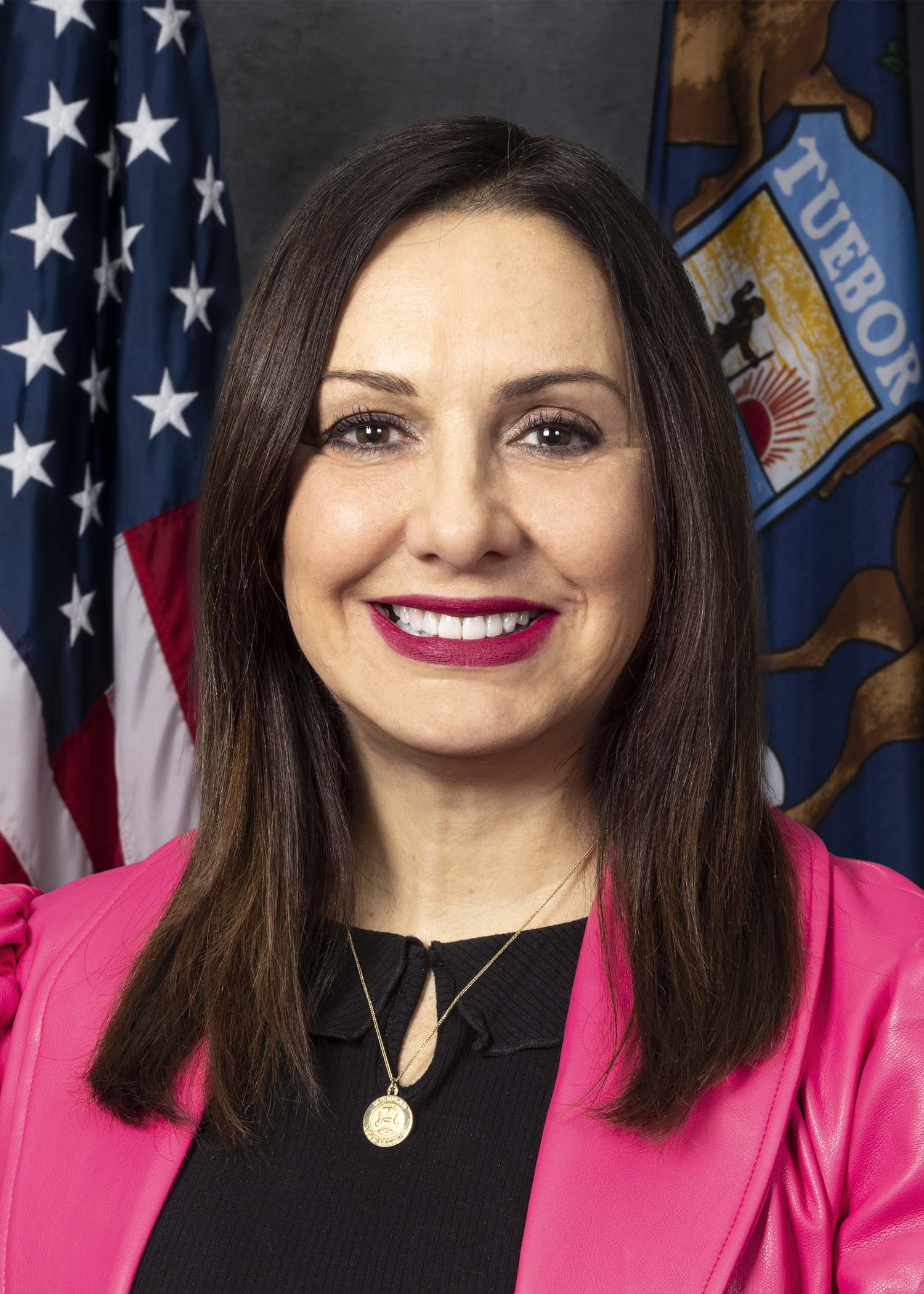
Dayna Polehanki
Dayna Polehanki Senate · District 5
D
Strong +
100% 8
Erika Geiss
Erika Geiss Senate · District 1
D
Strong +
100% 8
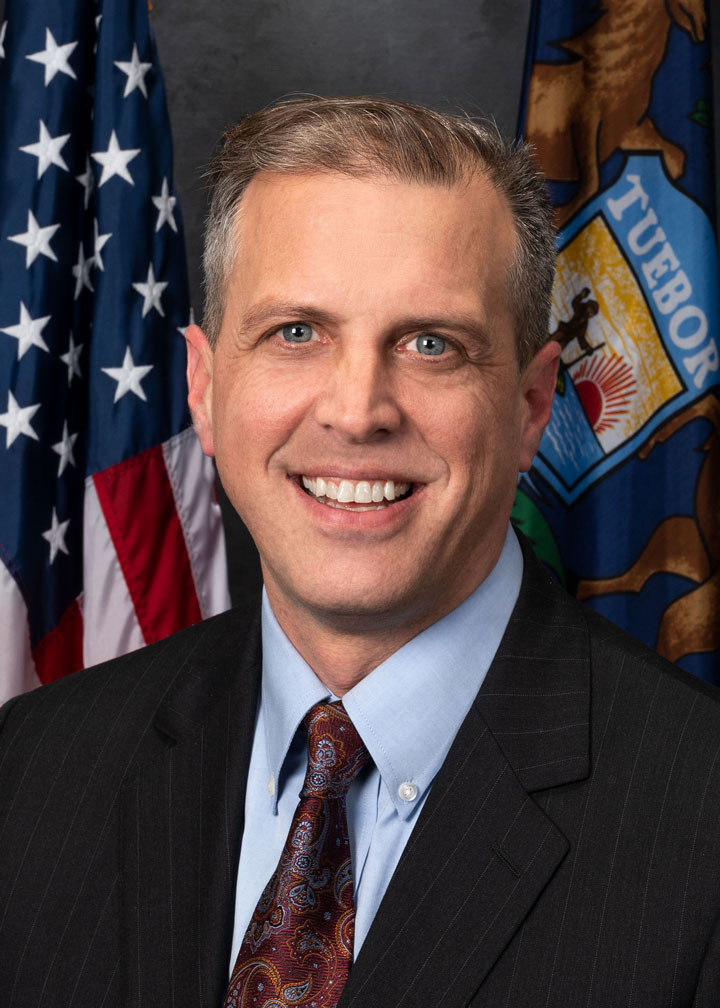
Jeff Irwin
Jeff Irwin Senate · District 15
D
Strong +
100% 8
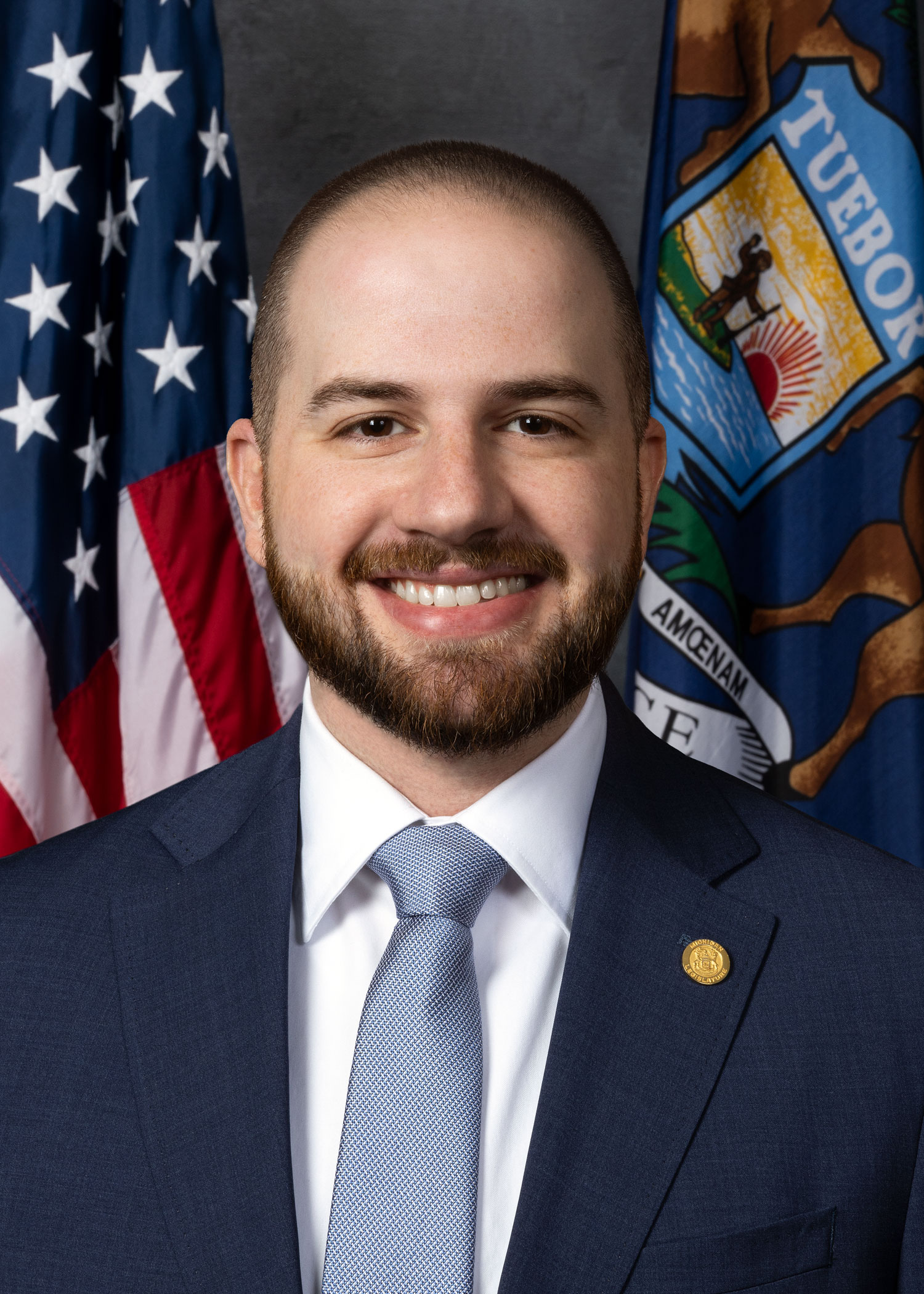
Jeremy Moss
Jeremy Moss Senate · District 7
D
Strong +
100% 8
Joe Bellino
Joe Bellino Senate · District 16
R
Strong −
0% 8
Michele Hoitenga
Michele Hoitenga Senate · District 36
R
Strong −
0% 8
Thomas Albert
Thomas Albert Senate · District 18
R
Strong −
0% 8
Lana Theis
Lana Theis Senate · District 22
R
Strong −
0% 7
Jim Runestad
Jim Runestad Senate · District 23
R
Strong −
0% 3
Showing 21–30 of 54 bills

All healthcare bills

in committee · Michigan · Senate Mar 26, 2026

SB 893: Insurance: insurers; insurance providers to panel a mental health provider within a certain time period of application process; require. Amends 1956 PA 218 (MCL 500.100 - 500.8302) by adding sec. 3406mm.

This bill requires health insurance companies in Michigan to review and decide on new mental health provider applications within 60 calendar days of receiving a complete application, or within 45 days if an extension is granted for complex cases like license sanctions. If an insurer fails to approve or deny an application within the required timeframe, the provider must still be reimbursed for covered services submitted after the deadline, using either the insurer's standard in-network rate or the median rate paid to similar providers. The law also mandates that insurers send written requests for missing information within 10 business days and add approved providers to their payment systems and directories promptly. These rules apply to all licensed mental health professionals, including physicians, psychologists, social workers, and therapists, and cover both initial applications and recredentialing.
in committee · Michigan · House Feb 10, 2026

HB 5513: Insurance: health insurers; procedures and timelines for the credentialing of healthcare providers; provide for. Amends 1956 PA 218 (MCL 500.100 - 500.8302) by adding sec. 3406vv. TIE BAR WITH: HB 5512'26

HB 5513 requires Michigan's insurance department to create a standardized application process for health insurers to verify healthcare providers' qualifications (credentialing). This directly affects health insurers operating in Michigan and the healthcare providers seeking to be listed on insurance provider networks. The bill establishes a uniform application form under Section 3406uu of the Insurance Code and clarifies that insurers aren't required to violate nationally recognized credentialing standards. The bill is tied to the enactment of related legislation (HB 5512) to take effect.
in committee · Michigan · House Feb 10, 2026

HB 5512: Insurance: health insurers; procedures and timelines for the credentialing of health care providers; provide for. Amends 1956 PA 218 (MCL 500.100 - 500.8302) by adding sec. 3406uu. TIE BAR WITH: HB 5513'26

HB 5512 sets clear timelines for health insurers to process applications from healthcare providers seeking to join their provider networks. Insurers must acknowledge receipt within 7 days, notify providers of incomplete applications within 30 days (giving them 30 days to fix issues), and complete the credentialing process within 60 days total. If approved, insurers must reimburse providers for covered services starting from when the completed application was received. This directly affects doctors, clinics, and other healthcare providers applying to be in insurer networks, ensuring faster access to network participation.
in committee · Michigan · Senate Feb 26, 2026

SB 805: Health facilities: other; licensure of freestanding hyperbaric oxygen therapy facilities; provide for. Amends 1978 PA 368 (MCL 333.1101 - 333.25211) by adding secs. 21211, 21213, 21215, 21217, 21219, 21221, 21223, 21227 & 21231 to pt. 212. TIE BAR WITH: SB 0803'26, SB 0804'26, SB 0806'26

SB 805 establishes licensing requirements for standalone hyperbaric oxygen therapy clinics in Michigan. It mandates that these facilities obtain state licensure, appoint a qualified medical director and safety coordinator, comply with NFPA 99 safety standards, and meet FDA-approved treatment protocols. Clinics must display their license/permit and accreditation publicly, provide patients with clear information about treatment risks, FDA-approved uses, and insurance coverage limitations, and obtain written consent before treatment. The bill directly affects clinic operators, healthcare providers, and patients receiving hyperbaric oxygen therapy, ensuring standardized safety and transparency.
in committee · Michigan · House Mar 3, 2026

HB 5590: Health facilities: other; licensure of freestanding hyperbaric oxygen therapy facilities; provide for. Amends 1978 PA 368 (MCL 333.1101 - 333.25211) by adding secs. 21211, 21213, 21215, 21217, 21219, 21221, 21223, 21227 & 21231 to pt. 212. TIE BAR WITH: HB 5591'26, HB 5592'26, HB 5593'26

HB 5590 requires freestanding hyperbaric oxygen therapy facilities (which use pressurized oxygen chambers for medical treatment) to obtain state licensure. It directly affects facility owners, operators, medical directors, and safety coordinators by mandating specific qualifications, safety protocols (like NFPA 99 compliance), and accreditation standards. Facilities must publicly display licenses, accreditation, FDA-approved treatment indications, and safety rules, and provide patients with written information about risks, benefits, and insurance coverage limitations. The bill also requires facilities to document compliance with safety standards and patient consent forms detailing FDA-approved uses.
in committee · Michigan · Senate Jan 28, 2026

SB 772: Insurance: health insurers; reimbursement rate for telehealth visits; modify. Amends sec. 3476 of 1956 PA 218 (MCL 500.3476).

SB 772 requires health insurers in Michigan to reimburse telehealth visits at the same rate as in-person visits, using the same billing codes. It prohibits insurers from mandating face-to-face visits for services that can be safely provided via telemedicine, as determined by the treating healthcare professional. This applies to all health insurance policies covering telehealth services, directly affecting insurers, healthcare providers, and patients using telehealth. The bill ensures telehealth coverage parity without adding new requirements for providers or altering patient cost-sharing (like copays or deductibles). It modifies existing insurance code language to standardize reimbursement practices for telemedicine.
Sub-Topics Insurance Telehealth
in committee · Michigan · House Dec 31, 2025

HB 5436: Insurance: health insurers; coverage for hearing aids or hearing-related services for certain enrollees; require. Amends 1956 PA 218 (MCL 500.100 - 500.8302) by adding sec. 3406uu.

HB 5436 requires health insurers in Michigan to cover hearing aids and related services for qualifying enrollees. It mandates coverage up to $3,000 per hearing aid every 36 months (adjusted annually using the Consumer Price Index starting in 2026), including evaluations, fittings, repairs, and related devices like earmolds. To qualify, an enrollee must be evaluated for hearing loss by an audiologist and medically confirmed as a hearing aid candidate by an otolaryngologist. Insurers may apply existing cost-sharing (like deductibles) but cannot exceed the $3,000 cap per device.
Sub-Topics Insurance
in committee · Michigan · House Dec 11, 2025

HB 5353: Insurance: health insurers; coverage for certain recommended immunizations; require. Amends 1956 PA 218 (MCL 500.100 - 500.8302) by adding sec. 3406uu. TIE BAR WITH: HB 5351'25

HB 5353 requires Michigan health insurers to cover all immunizations listed in the state's Public Health Code (MCL 333.9227) under health insurance policies. This applies to insurers offering policies in Michigan, directly affecting both insurers and policyholders who need these vaccinations. The bill adds a new section (3406uu) to the insurance code, mandating coverage for recommended vaccines without additional cost to the patient. The law will only take effect if companion bill HB 5351 is also enacted.
in committee · Michigan · House Dec 23, 2025

HB 5406: Insurance: health insurers; organ transplant coverage; prohibit if the organ is from a country known for organ harvesting. Amends 1956 PA 218 (MCL 500.100 - 500.8302) by adding sec. 3406ww.

HB 5406 would prohibit Michigan health insurers from covering organ transplants if the procedure occurs in China or another country designated by the Michigan Department of Health and Human Services as engaging in forced organ harvesting, or if the organ originated from such a country. It applies to all health insurance policies issued or renewed in Michigan and requires the health department director to designate which countries fall under this prohibition. The bill defines "forced organ harvesting" as organ removal through coercion, abduction, deception, or abuse of power. This policy change would directly affect patients seeking transplants involving organs from designated countries and insurers offering coverage for such procedures.
Sub-Topics Insurance
in committee · Michigan · Senate Dec 2, 2025

SB 718: Insurance: health insurers; coverage for treatment of menopause and perimenopause symptoms and waiver of prior authorization for prescription drugs or treatments for menopause and perimenopause symptoms; require. Amends 1956 PA 218 (MCL 500.100 - 500.8302) by adding sec. 3406zz.

This bill requires Michigan health insurers to cover medically necessary treatments for menopause and perimenopause symptoms, including FDA-approved hormone therapy. It specifically prohibits insurers from demanding prior authorization, step therapy, or "fail-first" protocols for hormone therapy prescriptions related to these conditions. The law applies directly to health insurance policies sold in Michigan and affects patients experiencing menopause or perimenopause symptoms who seek treatment. Key provisions ensure coverage for treatments without additional administrative barriers typically imposed by insurers. The bill defines menopause as permanent cessation of menstruation and perimenopause as the transitional phase before menopause.
Sub-Topics Insurance
Showing 21 to 30 of 54 bills
Previous 1 2 3 4 6 Next