Issue · Healthcare

Healthcare

Every healthcare bill, vote, and legislator stance in Michigan, automatically classified by Maddy, our AI policy reader.

Total bills
493
2025-2026 Regular Session
Top supporter
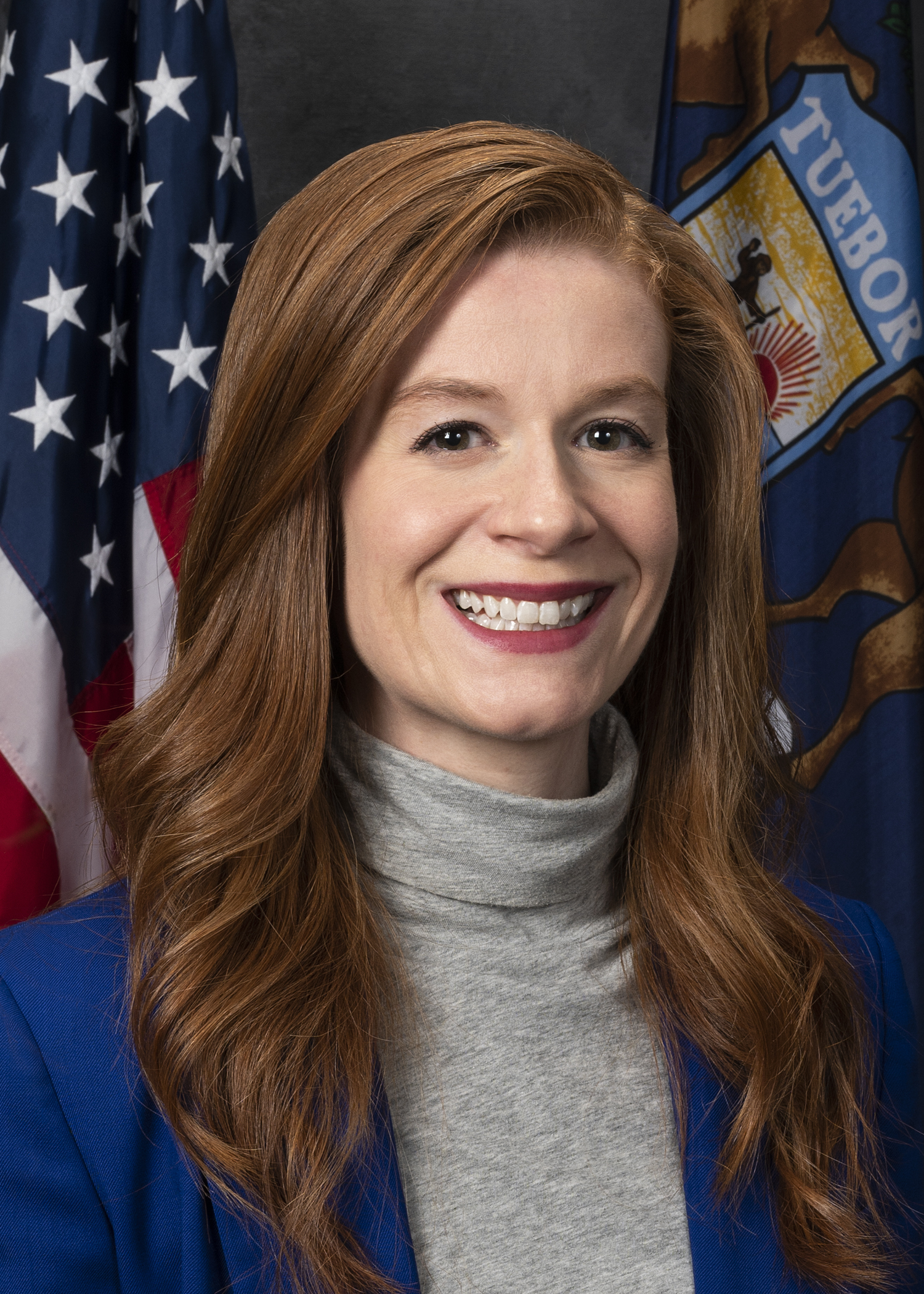
Veronica Klinefelt
96% support rate
Top opponent
Jim Runestad
8% support rate
Ranked legislators
10
5 support · 5 oppose
Key legislators

Who's moving healthcare in Michigan

Legislators moving healthcare in Michigan
Legislator Party Stance Support rate Decisive votes
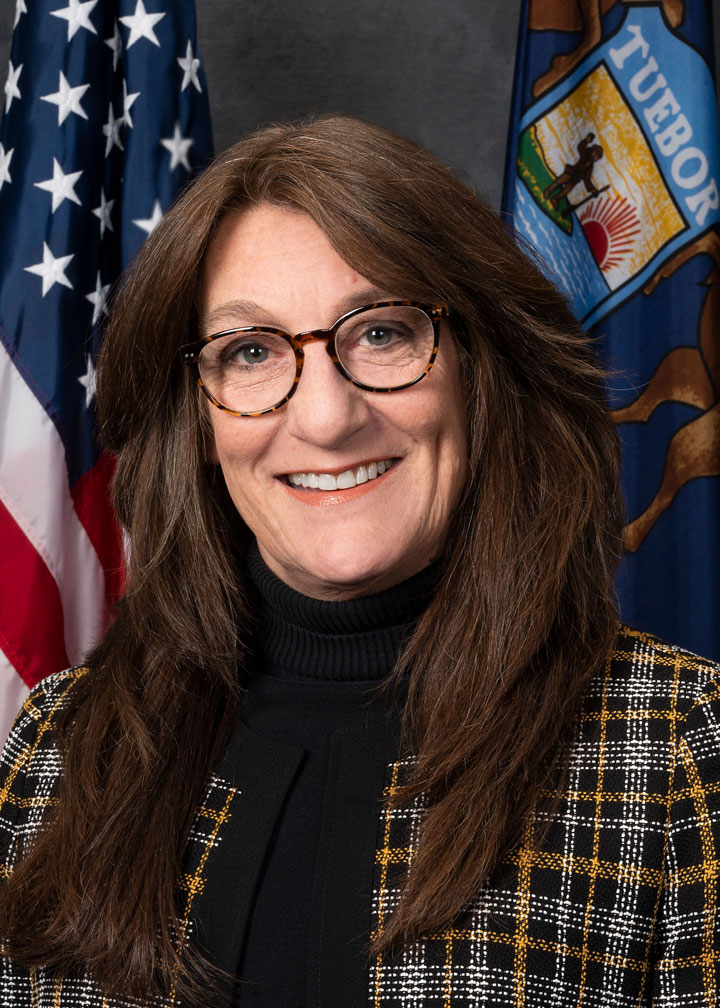
Veronica Klinefelt
Veronica Klinefelt Senate · District 11
D
Strong +
96% 27
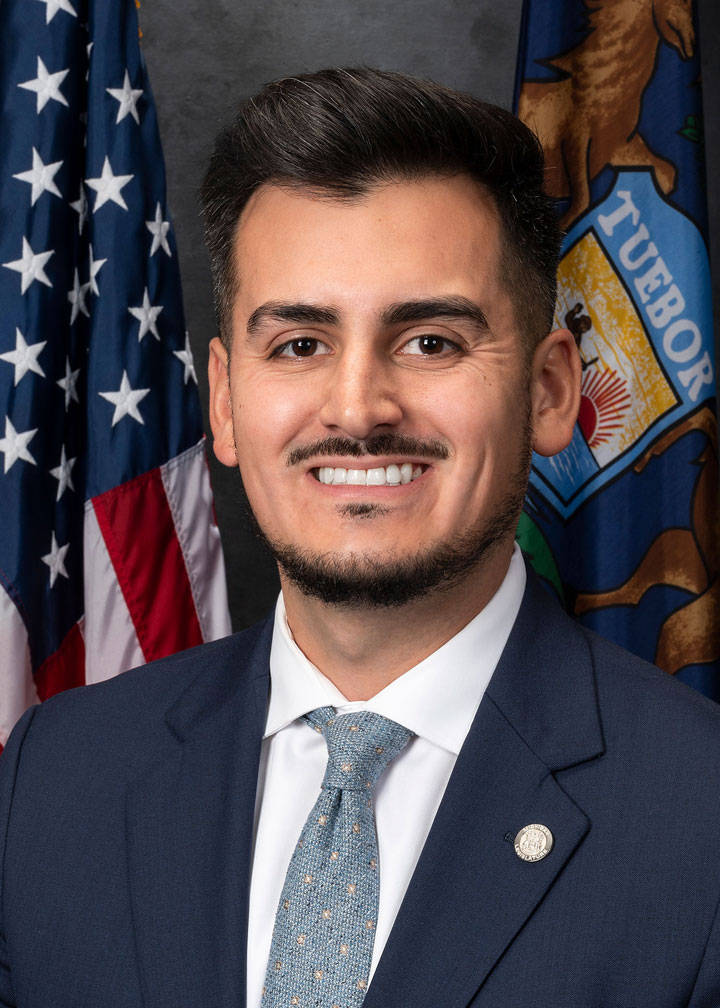
Darrin Camilleri
Darrin Camilleri Senate · District 4
D
Strong +
93% 30
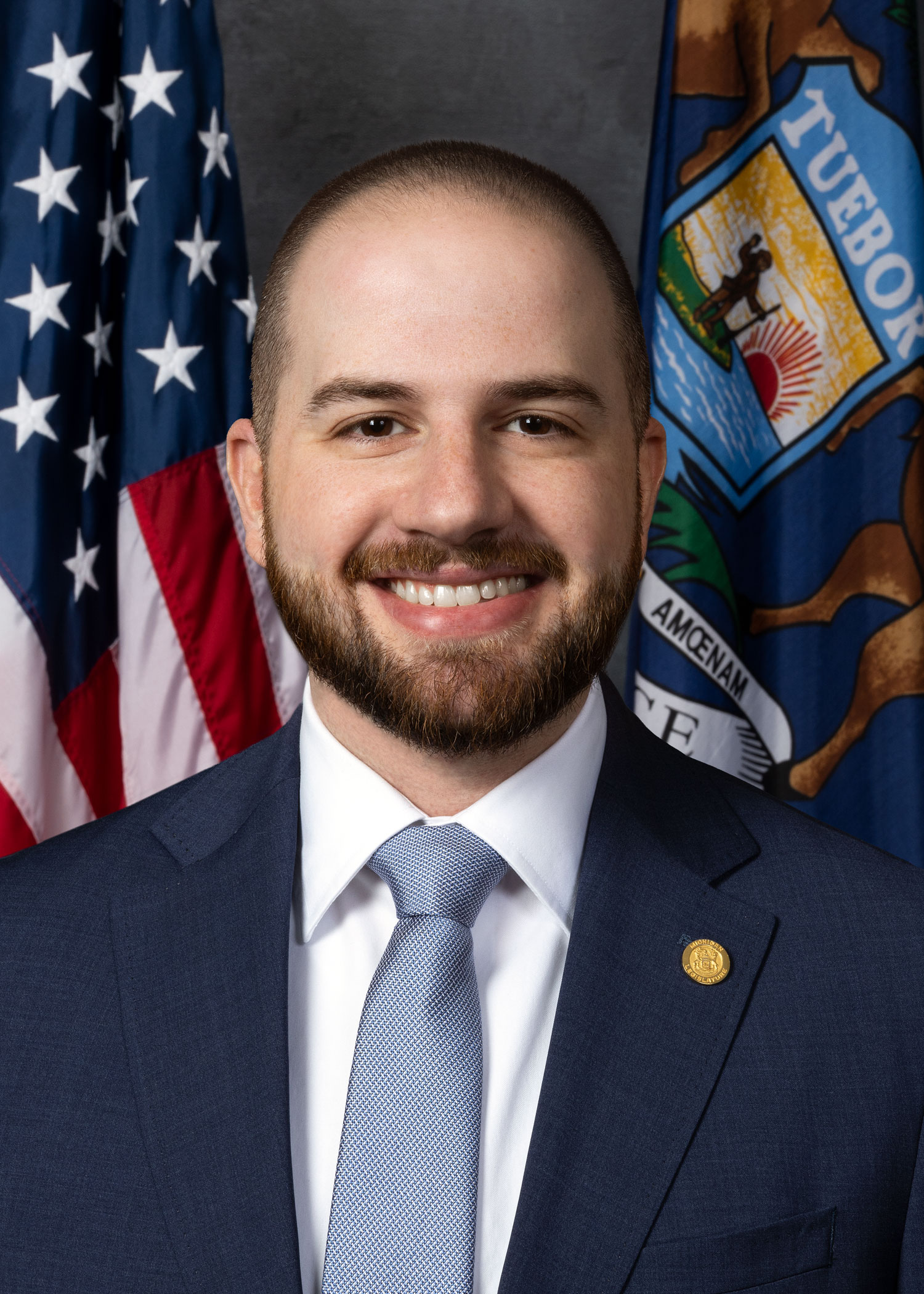
Jeremy Moss
Jeremy Moss Senate · District 7
D
Strong +
93% 30
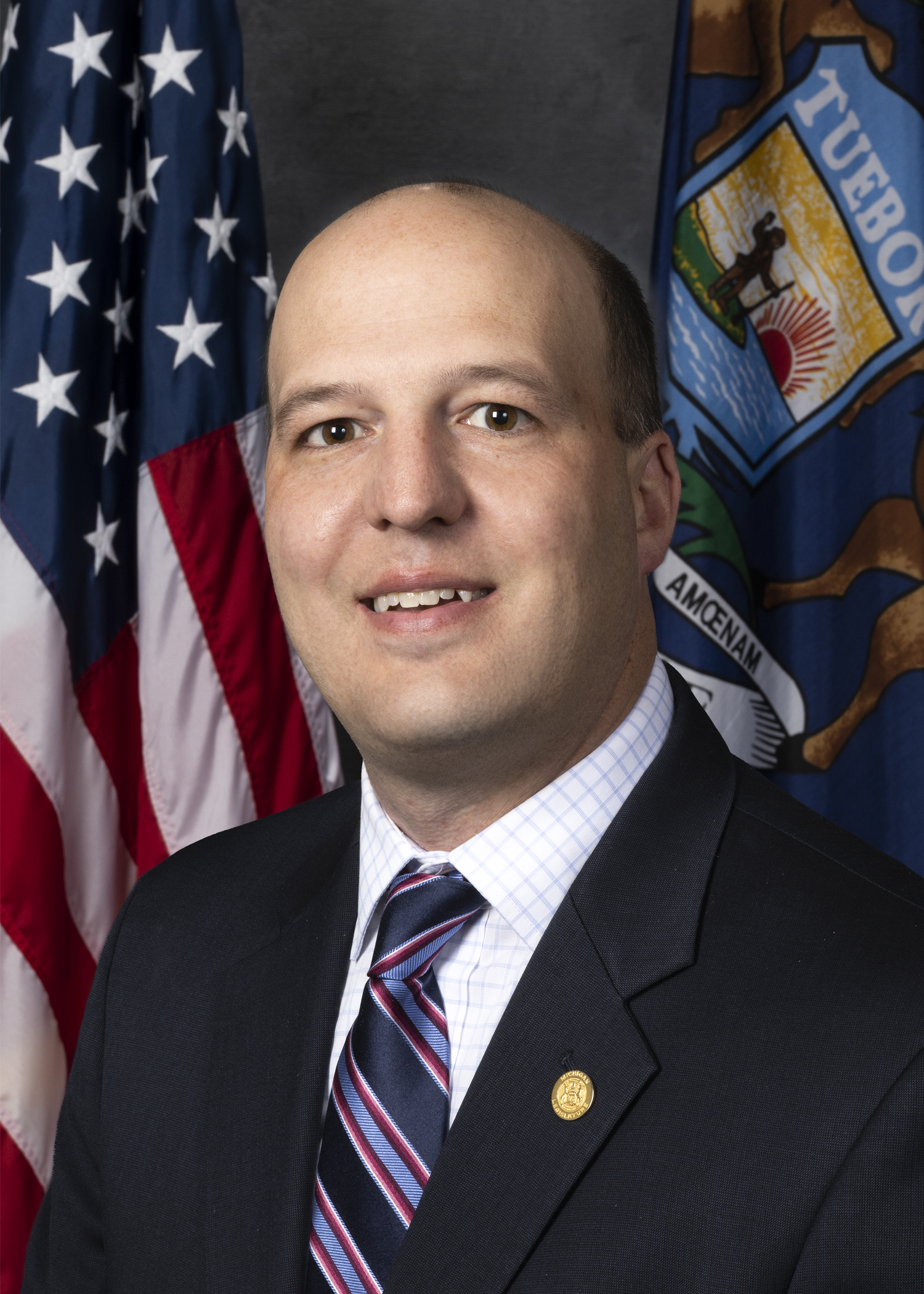
Kevin Hertel
Kevin Hertel Senate · District 12
D
Strong +
93% 30
Mallory McMorrow
Mallory McMorrow Senate · District 8
D
Strong +
93% 30
Jim Runestad
Jim Runestad Senate · District 23
R
Strong −
8% 24
Michele Hoitenga
Michele Hoitenga Senate · District 36
R
Strong −
17% 30
Dan Lauwers
Dan Lauwers Senate · District 25
R
Strong −
17% 29
Thomas Albert
Thomas Albert Senate · District 18
R
Strong −
17% 29
Lana Theis
Lana Theis Senate · District 22
R
Strong −
19% 27
Showing 271–280 of 493 bills

All healthcare bills

passed both · Michigan · House Mar 4, 2026

HB 4593: Health occupations: dentists; representing oneself as a "dental specialist" or as specializing in other dental areas; prohibit under certain circumstances. Amends sec. 16608 of 1978 PA 368 (MCL 333.16608). TIE BAR WITH: HB 4594'25

HB 4593 prohibits dentists from representing themselves as a "dental specialist" or claiming specialization in specific dental areas without proper certification. This bill directly affects dentists who may use such titles in their practice or marketing. It amends Michigan law (MCL 333.16608) to add this restriction, making it illegal to use these terms under certain circumstances without meeting defined qualifications. The bill focuses on preventing misleading claims about specialty expertise in dental care.
in committee · Michigan · Senate Nov 5, 2025

SB 252: Water supply: systems and utilities; water shutoff protection act; enact. Creates new act. TIE BAR WITH: SB 0248'25, SB 0250'25

SB 252, the "Water Shutoff Protection Act," prevents residential water shutoffs for vulnerable households without prior notice and multiple contact attempts. It protects critical care customers (requiring water for medical equipment) and eligible low-income customers (earning ≤200% of federal poverty guidelines or receiving specific assistance programs like SNAP or energy aid). The bill requires water providers to contact customers at least three times via multiple methods (notices, calls, texts, mail) before shutoff, detailing payment plans and affordability programs. Notices must include specific details like shutoff dates, available options, and contact information for program administrators.
passed both · Michigan · House Nov 12, 2025

HB 4860: Insurance: health insurers; methods of payments and reimbursements for dental benefits; provide for. Amends 1956 PA 218 (MCL 500.100 - 500.8302) by adding sec. 3406ss.

HB 4860 requires health plans and nonprofit dental corporations in Michigan to offer payment methods that give dentists 100% of the amount payable for dental services, without charging dentists fees to access those payments. This applies specifically to dental benefits under existing insurance laws and does not cover fees from a dentist's bank. Dentists who choose not to use a payment method must stay opted out until they rejoin or sign a new contract. The law affects dentists, dental insurers, and patients by changing how dental payments are processed, ensuring providers receive full reimbursement without extra costs. It applies to all dental insurance policies delivered, issued, or renewed after the law takes effect.
passed both · Michigan · House Dec 2, 2025

HB 4857: Health: confidentiality; critical incident stress management services; modify. Amends secs. 20981 & 20982 of 1978 PA 368 (MCL 333.20981 & 333.20982).

HB 4857 amends Michigan’s Public Health Code to strengthen confidentiality protections for emergency service providers receiving critical incident stress management (CISM) services. The bill ensures conversations between first responders (such as police, firefighters, EMTs, and dispatchers) and CISM teams remain private, preventing disclosure in court, investigations, or other proceedings. Exceptions include situations where a provider poses an imminent threat to themselves or others, reports abuse, or explicitly waives confidentiality. This change directly affects emergency workers accessing mental health support after traumatic incidents, ensuring they can seek help without fear of their disclosures being used against them. The law applies to all CISM services provided under the existing framework, including peer support, debriefings, and referrals.
Sub-Topics Public Health
in committee · Michigan · House Nov 13, 2025

HB 5271: Military affairs: other; Michigan azimuth bridge program for transitioning military service members' mental health; establish. Amends 1967 PA 150 (MCL 32.501 - 32.851) by adding sec. 321. TIE BAR WITH: HB 5270'25

HB 5271 establishes the Michigan Azimuth Bridge Program, requiring the Michigan Department of Military and Veterans Affairs to create a mental health transition program for service members and veterans. The program must be offered at least four times yearly, available within two months before and after military separation, and include resources on PTSD, depression, suicide prevention, and bridging military-to-civilian life. It mandates collaboration with nonprofits or government agencies, incorporates the Protecting Veterans Mental Health Act’s resource guide, and prohibits sharing personally identifying data. The bill directly affects Michigan National Guard members and veterans transitioning to civilian life who reside in the state.
in committee · Michigan · House Nov 13, 2025

HB 5270: Military affairs: other; office of mental health; establish within the Michigan department of military and veterans affairs. Creates new act. TIE BAR WITH: HB 5261'25, HB 5259'25, HB 5271'25

HB 5270 establishes the Office of Mental Health and Suicide Prevention within Michigan's Department of Military and Veterans Affairs to address veterans' mental health needs. The office will collect data on veteran mental health conditions (including PTSD, traumatic brain injuries, substance use disorders, and suicide risk), create a free resource guide with self-assessment tools and local mental health service listings, and submit annual reports to state committees. This guide must be available at no cost to veterans and service members in print or digital formats, with all personally identifying information protected. The bill requires the office to ensure data accuracy and coordinate with existing programs like the "buddy-to-buddy" peer support initiative.
passed · Michigan · House Nov 6, 2025

HR 214: A resolution to urge the United States Senate to immediately pass a clean continuing resolution to reopen the federal government.

This Michigan House resolution urges the U.S. Senate to immediately pass an unconditional government funding bill (a "clean continuing resolution") to end the ongoing federal shutdown. It criticizes Senate Democrats for blocking votes on such a bill, which would restore critical services like Medicare, VA benefits, and food assistance for Michiganders affected by the 35-day shutdown. The resolution rejects the Senate's alternative proposal, calling it fiscally irresponsible due to projected $1.5 trillion in added debt. The Michigan House adopted the resolution with 54-46 support on November 6, 2025.
Sub-Topics Medicare
signed · Michigan · Senate Dec 10, 2025

SB 370: Military affairs: other; Tricare premium reimbursement program; create. Creates new act. TIE BAR WITH: SB 0540'25, SB 0542'25, HB 4962'25

SB 370 creates Michigan's "Tricare premium reimbursement program" to help National Guard members cover health insurance costs. It directly affects Michigan National Guard members eligible for Tricare Reserve Select or Tricare Dental programs who aren't covered by employer plans or other insurance. The program reimburses members for premiums they pay for these specific Tricare plans, using funds from the existing Michigan National Guard Member Benefit Fund. To qualify, members must apply through a department-form on the website, and reimbursements are made only if sufficient funds are available.
in committee · Michigan · Senate Feb 5, 2025

SB 66: Water supply: systems; switching from private well to public system; prohibit locals from requiring of adult foster care facilities. Amends 1976 PA 399 (MCL 325.1001 - 325.1023) by adding sec. 15a.

SB 66 prohibits local governments from requiring adult foster care facilities (serving 50 or fewer residents) to switch from private wells to public water systems if the well water meets safety standards for volume and contaminants. It amends Michigan's Safe Drinking Water Act to add Section 15a, ensuring facilities with compliant well water cannot be forced to connect to municipal systems. The bill directly affects small adult foster care facilities using private wells that meet state water quality standards. This provision prevents local mandates for water system changes without requiring facilities to adopt public water infrastructure.
in committee · Michigan · House Mar 6, 2025

HB 4169: Health: diseases; rare disease advisory council; create. Amends 1978 PA 368 (MCL 333.1101 - 333.25211) by adding secs. 5135 & 5135a.

HB 4169 creates a Rare Disease Advisory Council within Michigan's Department of Health to advise on research, diagnosis, and treatment of rare diseases. The council, composed of 12-18 members including physicians, patients, caregivers, insurers, researchers, and industry representatives, must identify policy priorities to improve access to care and reduce discrimination for individuals with rare diseases (defined as affecting fewer than 200,000 people in the U.S.). Key duties include researching cost-effective treatments, sharing best practices from other states, and developing a public webpage with rare disease resources by March 2026. The bill establishes a formal advisory body but does not change existing laws or funding.
Showing 271 to 280 of 493 bills
Previous 1 … 27 28 29 … 50 Next