Issue · Healthcare

Healthcare

Every healthcare bill, vote, and legislator stance in Michigan, automatically classified by Maddy, our AI policy reader.

Total bills
493
2025-2026 Regular Session
Top supporter
Veronica Klinefelt
96% support rate
Top opponent
Jim Runestad
8% support rate
Ranked legislators
10
5 support · 5 oppose
Key legislators

Who's moving healthcare in Michigan

Legislators moving healthcare in Michigan
Legislator Party Stance Support rate Decisive votes
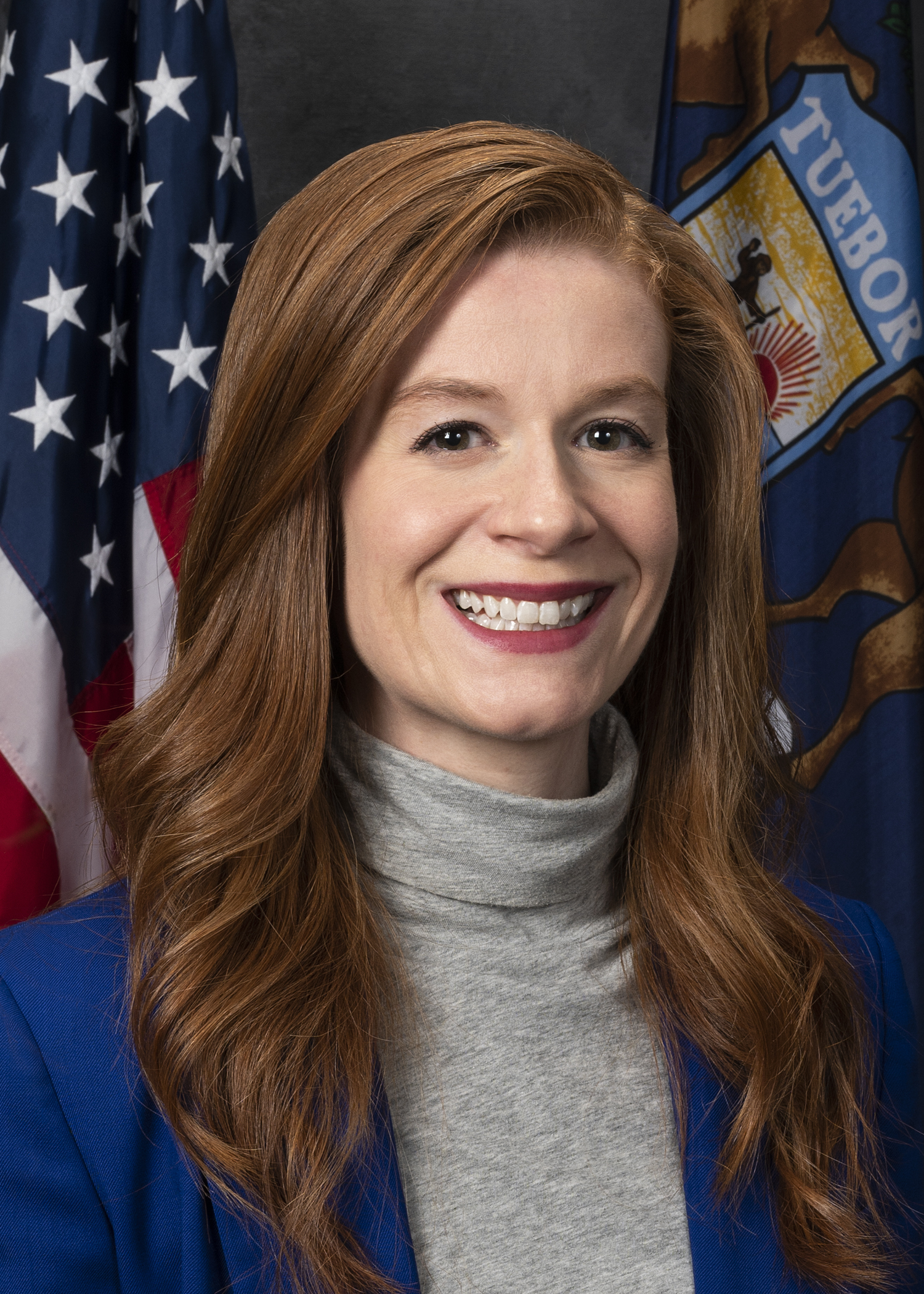
Veronica Klinefelt
Veronica Klinefelt Senate · District 11
D
Strong +
96% 27
Darrin Camilleri
Darrin Camilleri Senate · District 4
D
Strong +
93% 30
Jeremy Moss
Jeremy Moss Senate · District 7
D
Strong +
93% 30
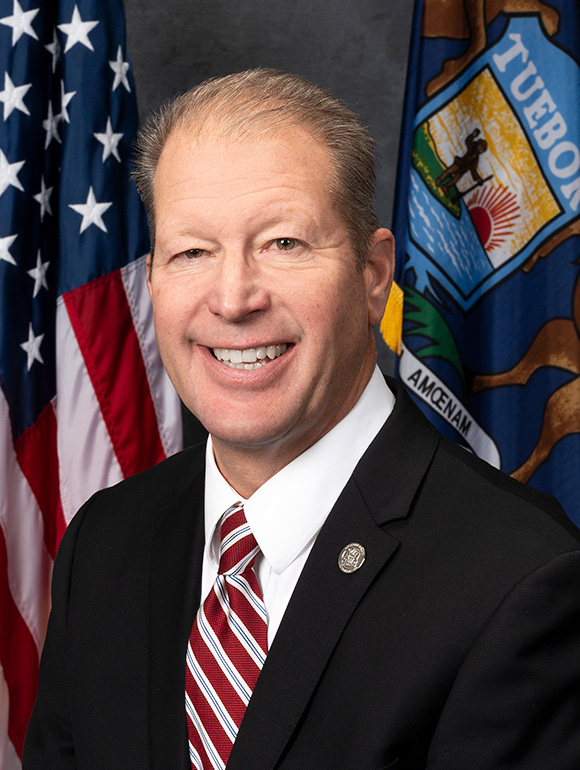
Kevin Hertel
Kevin Hertel Senate · District 12
D
Strong +
93% 30
Mallory McMorrow
Mallory McMorrow Senate · District 8
D
Strong +
93% 30
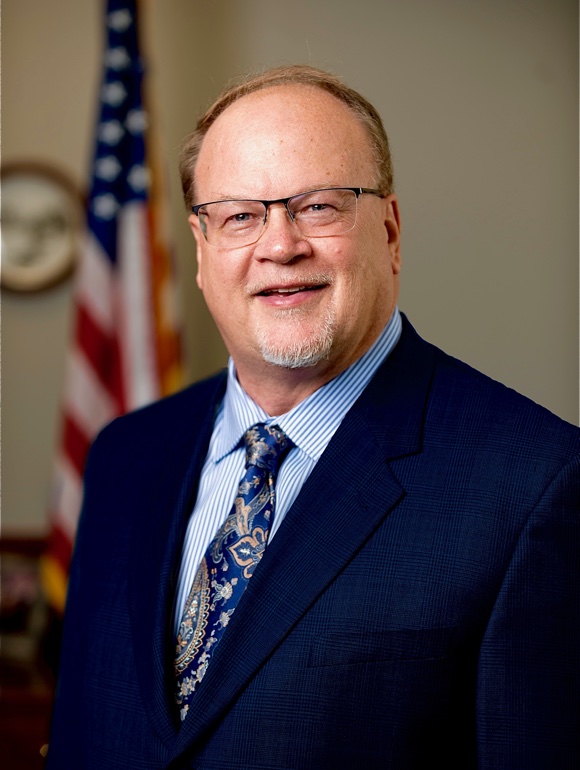
Jim Runestad
Jim Runestad Senate · District 23
R
Strong −
8% 24
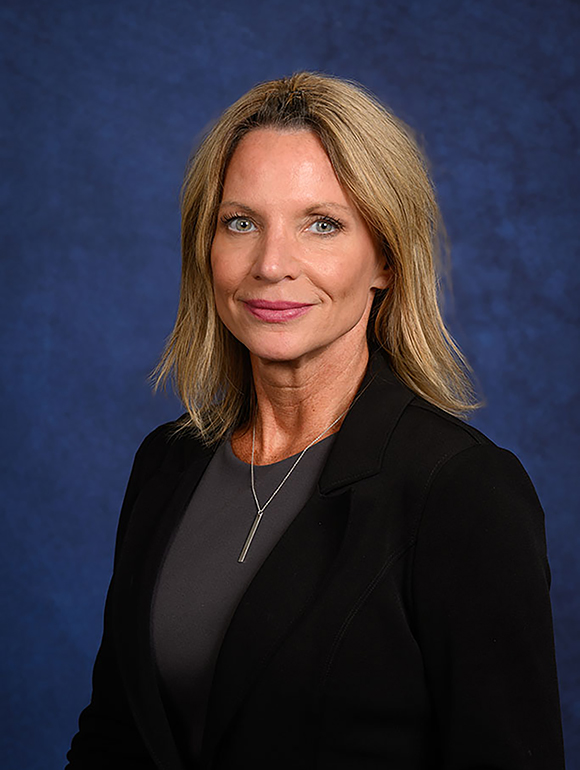
Michele Hoitenga
Michele Hoitenga Senate · District 36
R
Strong −
17% 30
Dan Lauwers
Dan Lauwers Senate · District 25
R
Strong −
17% 29
Thomas Albert
Thomas Albert Senate · District 18
R
Strong −
17% 29
Lana Theis
Lana Theis Senate · District 22
R
Strong −
19% 27
Showing 171–180 of 493 bills

All healthcare bills

in committee · Michigan · Senate Feb 26, 2026

SB 805: Health facilities: other; licensure of freestanding hyperbaric oxygen therapy facilities; provide for. Amends 1978 PA 368 (MCL 333.1101 - 333.25211) by adding secs. 21211, 21213, 21215, 21217, 21219, 21221, 21223, 21227 & 21231 to pt. 212. TIE BAR WITH: SB 0803'26, SB 0804'26, SB 0806'26

SB 805 establishes licensing requirements for standalone hyperbaric oxygen therapy clinics in Michigan. It mandates that these facilities obtain state licensure, appoint a qualified medical director and safety coordinator, comply with NFPA 99 safety standards, and meet FDA-approved treatment protocols. Clinics must display their license/permit and accreditation publicly, provide patients with clear information about treatment risks, FDA-approved uses, and insurance coverage limitations, and obtain written consent before treatment. The bill directly affects clinic operators, healthcare providers, and patients receiving hyperbaric oxygen therapy, ensuring standardized safety and transparency.
in committee · Michigan · House Mar 3, 2026

HB 5606: Appropriations: department of health and human services; appropriations for fiscal year 2026-2027 for human services; provide for. Creates appropriation act.

HB 5606 allocates funding for the Michigan Department of Health and Human Services (MDHHS) to support human services programs during fiscal year 2026-2027. The bill creates the formal appropriation act that authorizes the department to spend these funds on services like Medicaid, food assistance, and child welfare programs. This is a routine funding measure that directly affects MDHHS operations and the state's human services recipients, without changing program policies or eligibility.
in committee · Michigan · House Feb 26, 2026

HB 5572: Property tax: exemptions; exemption of real and personal property owned and occupied by a nonprofit corporation; modify. Amends sec. 7o of 1893 PA 206 (MCL 211.7o).

HB 5572 modifies Michigan's property tax exemption rules to expand eligibility for certain nonprofits. It adds a new exemption for conservation organizations maintaining nature areas open to the public for activities like hiking and bird watching. The bill also clarifies that nonprofits providing healthcare services (such as nursing homes, skilled nursing facilities, or adult foster care) qualify for tax exemptions if they meet specific licensing requirements. This change directly affects nonprofit hospitals, educational institutions, conservation groups, and healthcare providers seeking property tax relief.
in committee · Michigan · House Mar 3, 2026

HB 5605: Appropriations: department of health and human services; appropriations for fiscal year 2026-2027 for public health; provide for. Creates appropriation act.

HB 5605 allocates state funding for public health programs under Michigan's Department of Health and Human Services (DHHS) for the fiscal year ending September 30, 2027. It establishes specific budget amounts to support existing public health initiatives, including disease prevention, health services, and community health programs. The bill directly affects DHHS operations and the public health programs funded through this appropriation. It does not create new policies but provides the necessary financial resources for current public health services during the 2026-2027 fiscal year.
in committee · Michigan · House Mar 3, 2026

HB 5590: Health facilities: other; licensure of freestanding hyperbaric oxygen therapy facilities; provide for. Amends 1978 PA 368 (MCL 333.1101 - 333.25211) by adding secs. 21211, 21213, 21215, 21217, 21219, 21221, 21223, 21227 & 21231 to pt. 212. TIE BAR WITH: HB 5591'26, HB 5592'26, HB 5593'26

HB 5590 requires freestanding hyperbaric oxygen therapy facilities (which use pressurized oxygen chambers for medical treatment) to obtain state licensure. It directly affects facility owners, operators, medical directors, and safety coordinators by mandating specific qualifications, safety protocols (like NFPA 99 compliance), and accreditation standards. Facilities must publicly display licenses, accreditation, FDA-approved treatment indications, and safety rules, and provide patients with written information about risks, benefits, and insurance coverage limitations. The bill also requires facilities to document compliance with safety standards and patient consent forms detailing FDA-approved uses.
passed both · Michigan · House Apr 30, 2026

HB 5514: Children: other; prohibition of use of certain restraints while transporting youths to certain qualified residential treatment programs; provide for. Creates new act.

HB 5514, the "Preventing Restraints in Youth Transport Act," prohibits youth transportation companies from using visual (e.g., blindfolds), mechanical (e.g., handcuffs), or most physical restraints when moving minors to qualified residential treatment programs. Exceptions allow physical restraints only if immediate serious harm is likely, staff are trained, and restraints are used for the shortest time necessary. Violations carry civil fines up to $1,000. The bill directly affects transportation providers and the minors they transport during these journeys.
Tags Children
in committee · Michigan · House Mar 3, 2026

HB 5496: Taxation: excise taxes; excise tax on the purchase of wireless communications devices; require for purchases of devices primarily for the use of individuals under 18 years of age. Creates new act.

HB 5496 imposes a 32% excise tax on the purchase price of wireless communications devices (like smartphones) sold primarily for use by individuals under 18 years old, effective January 1, 2026. The tax is collected at the point of sale by retailers, similar to other state taxes, and applies only to devices that support internet, apps, or multimedia - excluding basic telephones. All tax revenue flows into a new "Children's Mental Health and Safety Fund" in the state treasury, which must be used exclusively for mental health and safety programs for children as defined by existing law. The fund’s money remains available annually and cannot be redirected to the general state budget.
in committee · Michigan · House Feb 3, 2026

HB 5488: Health occupations: emergency medical services personnel; licensure of medical first responders and emergency medical technicians; allow at 17 years of age. Amends sec. 20950 of 1978 PA 368 (MCL 333.20950). TIE BAR WITH: HB 5489'26

HB 5488 lowers the minimum age requirement for licensure as a medical first responder or emergency medical technician (EMT) in Michigan from 18 to 17 years old. It amends Section 20950 of the Public Health Code (MCL 333.20950), specifically changing the age requirement in subsection (2)(a) from "18 years of age or older" to allow 17-year-olds to apply. The bill does not alter other licensing requirements, such as education programs, passing exams administered by the National Registry of Emergency Medical Technicians, or military service pathways. This change directly affects 17-year-olds seeking these emergency medical services roles who previously could not obtain licensure until age 18.
in committee · Michigan · Senate Jan 14, 2026

SB 765: Appropriations: supplemental; funding for a menopause navigator program; provide for. Creates appropriation act.

SB 765 allocates $10 million from the state general fund to create a menopause navigator program under Michigan's Department of Health and Human Services for the 2025-2026 fiscal year. The program provides resources and support for women managing menopause-related health concerns, as defined in the state's public health code. The funds must be used exclusively for this purpose, with no other designated uses specified in the bill.
in committee · Michigan · House Dec 11, 2025

HB 5344: Education: health related; reporting of vaccination rates of pupils; require. Amends sec. 1177 of 1976 PA 451 (MCL 380.1177).

HB 5344 amends Michigan's school code to update how public schools report student vaccination rates. It requires schools to submit annual immunization status reports to health officials by November 1 and February 1, including vision screening data for kindergarten students. Starting in 2028, schools must provide de-identified, aggregated data showing vaccination rates (fully/partially immunized and waiver percentages) and share each student's vaccination status with parents via mail, email, website links, and physical notices in school offices. The bill focuses on transparency and data collection for public health monitoring, without changing vaccination requirements.
Sub-Topics Public Health
Showing 171 to 180 of 493 bills
Previous 1 17 18 19 50 Next