Issue · Healthcare

Healthcare

Every healthcare bill, vote, and legislator stance in Michigan, automatically classified by Maddy, our AI policy reader.

Total bills
493
2025-2026 Regular Session
Top supporter
Veronica Klinefelt
96% support rate
Top opponent
Jim Runestad
8% support rate
Ranked legislators
10
5 support · 5 oppose
Key legislators

Who's moving healthcare in Michigan

Legislators moving healthcare in Michigan
Legislator Party Stance Support rate Decisive votes
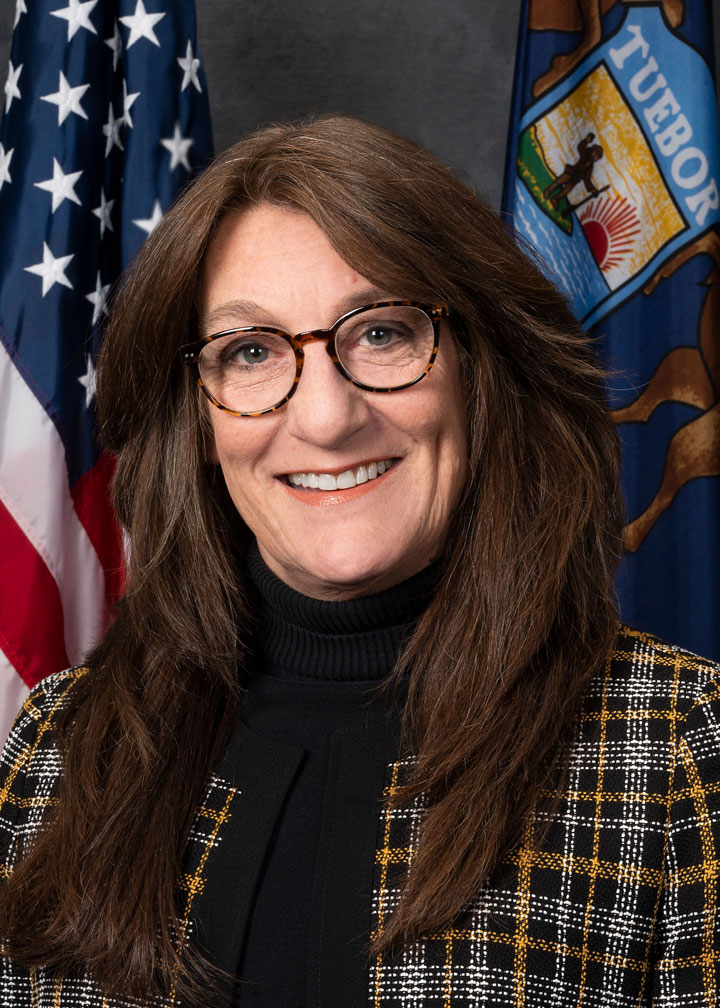
Veronica Klinefelt
Veronica Klinefelt Senate · District 11
D
Strong +
96% 27
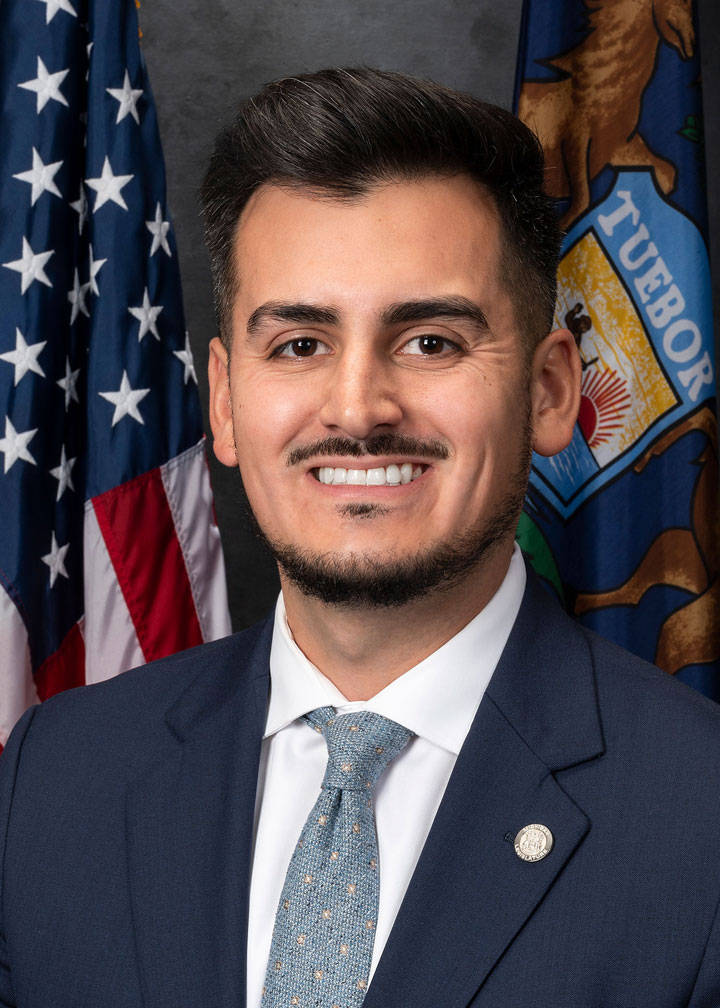
Darrin Camilleri
Darrin Camilleri Senate · District 4
D
Strong +
93% 30
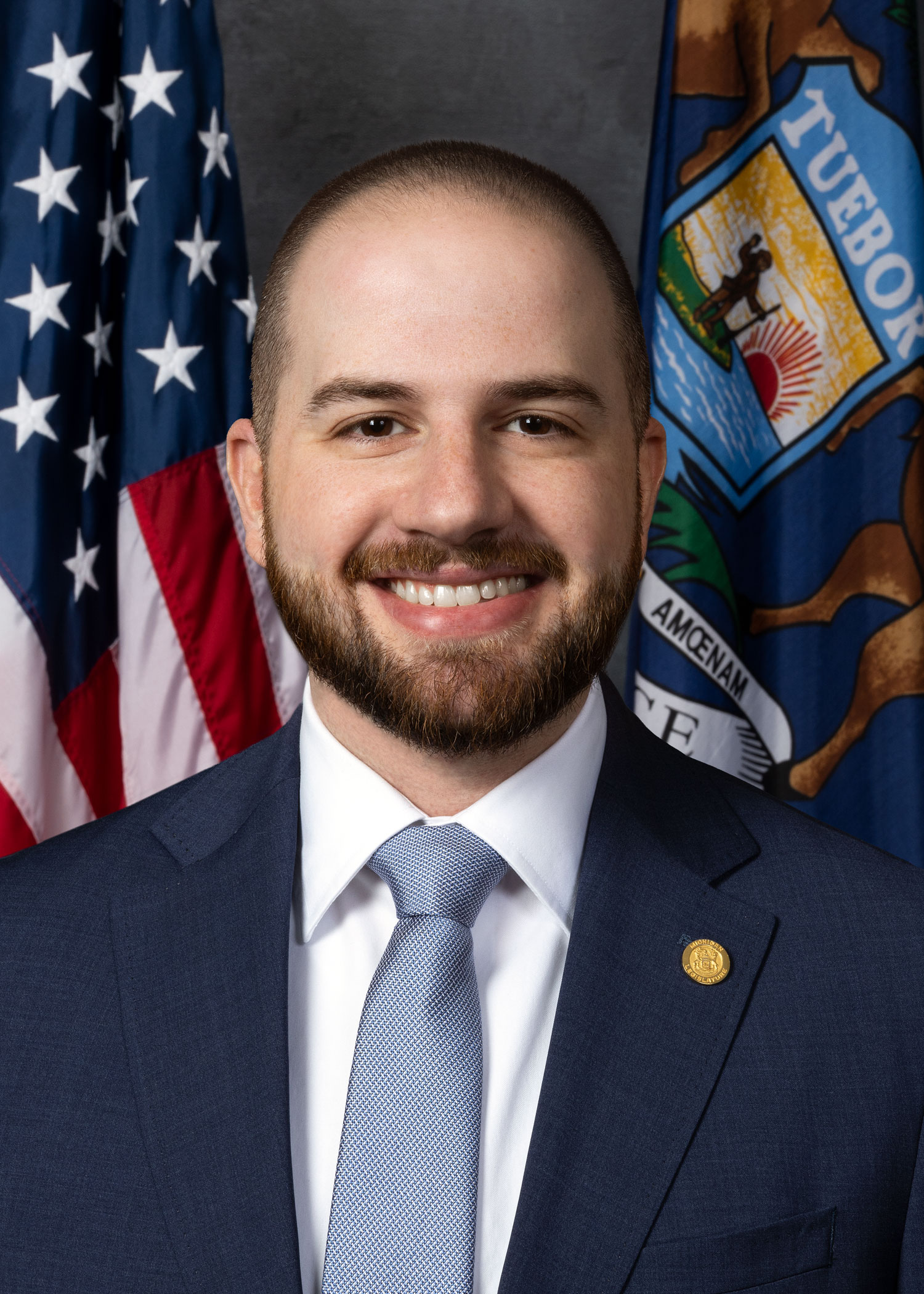
Jeremy Moss
Jeremy Moss Senate · District 7
D
Strong +
93% 30
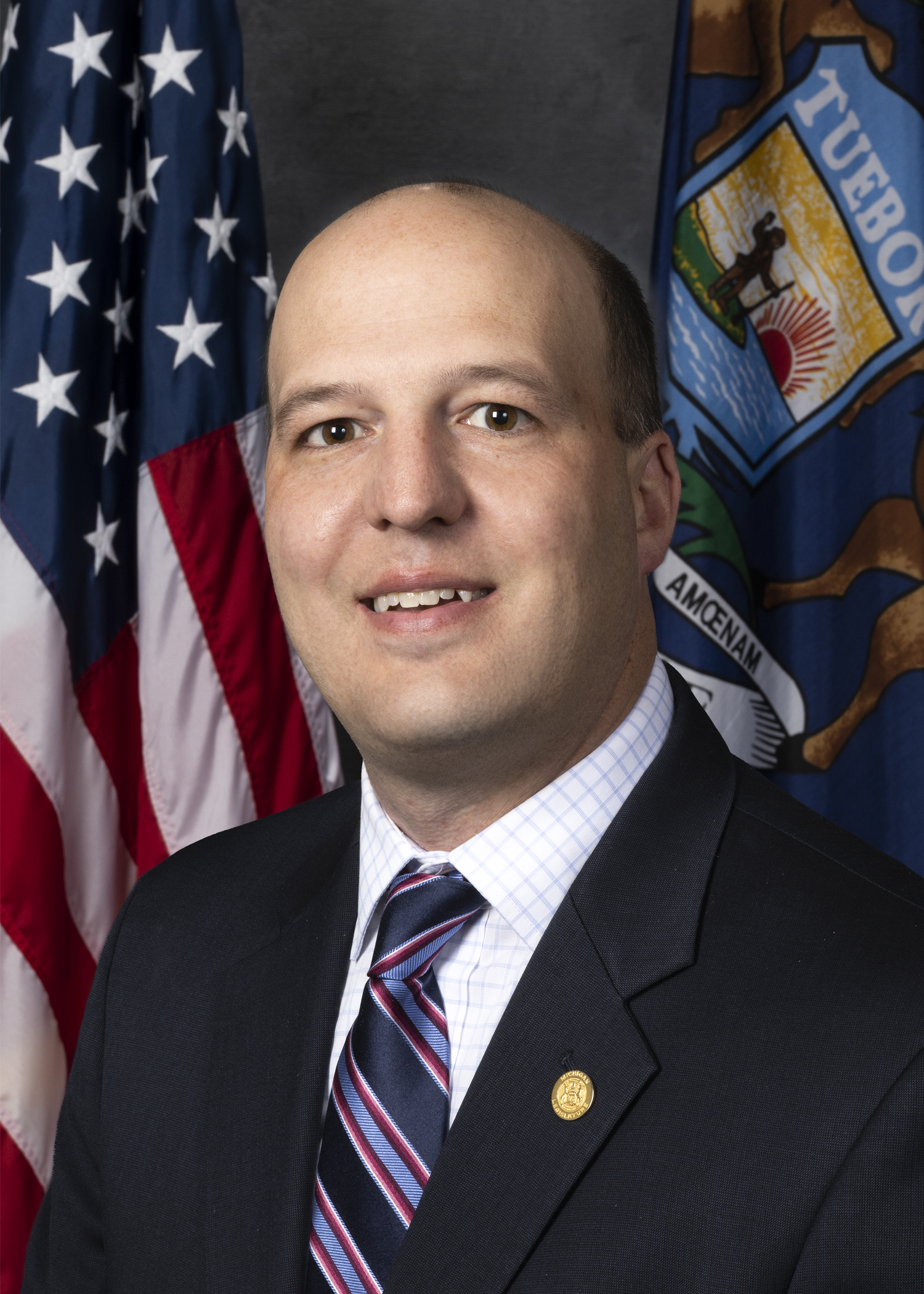
Kevin Hertel
Kevin Hertel Senate · District 12
D
Strong +
93% 30
Mallory McMorrow
Mallory McMorrow Senate · District 8
D
Strong +
93% 30
Jim Runestad
Jim Runestad Senate · District 23
R
Strong −
8% 24
Michele Hoitenga
Michele Hoitenga Senate · District 36
R
Strong −
17% 30
Dan Lauwers
Dan Lauwers Senate · District 25
R
Strong −
17% 29
Thomas Albert
Thomas Albert Senate · District 18
R
Strong −
17% 29
Lana Theis
Lana Theis Senate · District 22
R
Strong −
19% 27
Showing 141–150 of 493 bills

All healthcare bills

in committee · Michigan · Senate Mar 26, 2026

SB 894: Insurance: health benefits; nonprofit health care corporation to panel a mental health provider within a certain time period of the application process; require. Amends 1980 PA 350 (MCL 550.1101 - 550.1704) by adding sec. 414c.

This bill requires nonprofit health care corporations in Michigan to review mental health provider applications within 60 calendar days and either approve or deny them in writing. It mandates that corporations send written requests for missing information within 10 business days if an application is incomplete, and allows a 15-day extension only for serious issues like sanctions or felony convictions. The legislation also ensures that providers can receive payment for services rendered during the credentialing review period if they meet specific criteria, including having no license sanctions and professional liability insurance. Additionally, the bill defines which mental health professionals are covered, including physicians, psychologists, social workers, and therapists.
in committee · Michigan · House Mar 5, 2026

HB 5668: State management: other; release of carbon dioxide from certain carbon capture projects; require department to develop training for. Amends 1976 PA 390 (MCL 30.401 - 30.421) by adding sec. 8a. TIE BAR WITH: HB 5664'26, HB 5665'26, HB 5666'26, HB 5667'26, HB 5669'26

This bill requires Michigan's Department of Health and Human Services to create and offer free training for emergency responders, healthcare facilities, and operators involved with carbon dioxide capture, pipeline, and sequestration projects. The training will cover identifying carbon dioxide releases, communication procedures, evacuation protocols, and medical treatment for exposure. The bill also establishes a state fund to finance the training program and provide grants for emergency preparedness equipment, response planning, and related safety measures.
Sub-Topics Pipeline Infrastructure Tags Emergency Management
in committee · Michigan · Senate Mar 10, 2026

SB 827: State management: other; release of carbon dioxide from certain carbon capture projects; require department to develop training for. Amends 1976 PA 390 (MCL 30.401 - 30.421) by adding sec. 8a. TIE BAR WITH: SB 0822'26, SB 0823'26, SB 0824'26, SB 0825'26, SB 0826'26

This bill requires Michigan's Department of Health and Human Services to develop and provide free training on responding to carbon dioxide releases from capture, pipeline, or sequestration projects. The training covers identifying leaks, communication procedures, evacuation protocols, and medical treatment for exposure, and must be made available to disaster relief forces, project operators, healthcare facilities, and first responders. The legislation also creates a state fund to support the training program and grants for local governments and emergency response equipment related to carbon dioxide safety. The bill only takes effect if five other related bills are also enacted into law.
in committee · Michigan · House Jun 24, 2026

HB 5728: Health: licensing; references to licenses for certain substance use disorder services programs in the prudent purchaser act; modify to include those exempt from licensure. Amends sec. 2 of 1984 PA 233 (MCL 550.52). TIE BAR WITH: HB 5729'26

This bill modifies the Prudent Purchaser Act in Michigan to clarify that substance use disorder treatment programs exempt from licensure are still considered health facilities under the law. The change updates the definition of "health facility" in the statute to explicitly include programs that are either licensed or exempt from licensure under specific public health codes. This adjustment ensures these programs are recognized within the legal framework governing health care provider agreements and purchasing arrangements. The bill is tied to companion legislation HB 5729 and would take effect only if that related bill is also enacted.
in committee · Michigan · House Jun 24, 2026

HB 5730: Health: licensing; references to licenses for certain substance use disorder services programs in the municipal health facilities corporations act; modify to include those exempt from licensure. Amends sec. 103 of 1987 PA 230 (MCL 331.1103). TIE BAR WITH: HB 5729'26

This bill amends the Municipal Health Facilities Corporations Act to clarify which substance use disorder service programs are exempt from licensure requirements. It updates the definition of "direct provider of health care" to explicitly include organizations that are exempt from licensure under the Public Health Code, alongside those that are licensed or certified. The change applies to municipal health facilities corporations and their subsidiary entities, ensuring that programs currently operating without a license but meeting specific state exemptions remain compliant with the act. By aligning the definition with existing public health code provisions, the bill removes ambiguity about which substance use disorder programs fall under the corporation's regulatory scope.
in committee · Michigan · House Jun 24, 2026

HB 5732: Health: licensing; references to licenses for certain substance use disorder services programs in the Michigan zoning enabling act; modify to include those exempt from licensure. Amends sec. 206 of 2006 PA 110 (MCL 125.3206). TIE BAR WITH: HB 5729'26

This bill modifies Michigan's zoning enabling act to update how certain substance use disorder services programs are classified for zoning purposes. It specifically adjusts the language to include facilities that are exempt from licensure under state public health regulations, ensuring they are treated consistently with other licensed substance use disorder programs in zoning decisions. The change affects local governments and zoning boards that review residential property uses, particularly those evaluating the placement of group child care homes near substance use disorder treatment facilities. By aligning the zoning language with current licensing exemptions, the bill ensures that facilities not required to hold a license are still properly recognized in zoning determinations.
passed · Michigan · Senate Apr 14, 2026

SR 103: A resolution to designate April 2026 as Limb Loss and Limb Difference Awareness Month.

This Senate resolution designates April 2026 as Limb Loss and Limb Difference Awareness Month to raise public awareness about individuals with limb loss or limb difference. The bill directly affects people living with limb loss, their families, healthcare providers, and the general public by promoting education and support during the designated month. Key provisions include recognizing the prevalence of limb loss, highlighting prevention strategies like diabetes management and safety practices, and acknowledging the importance of prosthetic care for daily living and independence. The resolution serves as a commemorative measure rather than establishing new laws or funding requirements.
in committee · Michigan · House Mar 10, 2026

HB 5678: Health facilities: nursing homes; requirement for unlicensed personnel in nursing homes to complete fall prevention training established by the department; provide for. Amends 1978 PA 368 (MCL 333.1101 - 333.25211) by adding sec. 21795a.

This bill requires nursing homes in Michigan to ensure all unlicensed staff members complete a fall prevention training program. The Michigan Department of Health and Human Services will develop and manage this training program in consultation with relevant health agencies. The law applies specifically to unlicensed personnel working in nursing home facilities, mandating they finish the required training. This change aims to standardize fall prevention education for non-licensed staff across the state's nursing homes.
Sub-Topics Long-Term Care
in committee · Michigan · Senate Apr 28, 2026

SB 857: Appropriations: department of health and human services; appropriations for fiscal year 2026-2027; provide for. Creates appropriation act.

This bill allocates funding to Michigan's Department of Health and Human Services for the fiscal year 2026-2027. It establishes the legal authority for the department to spend money on its programs and operations during that period. The legislation creates an appropriation act that allows the department to access state funds for its designated responsibilities.
passed · Michigan · House Jun 24, 2026

HB 5729: Health: substance use disorder; persons required to hold a substance use disorder services program license; modify and require uniform rules as is reasonable. Amends secs. 6230, 6233, 6234 & 6238 of 1978 PA 368 (MCL 333.6230 et seq.).

This bill requires most programs offering substance use disorder prevention, treatment, or rehabilitation services in Michigan to obtain a license from the Department of Licensing and Regulatory Affairs, with exceptions for hospitals, psychiatric facilities, crisis stabilization units, and certain long-standing nonprofit organizations. It directs the department to create a licensing unit and establish uniform rules covering program organization, staffing, facilities, financial audits, and quality control measures. The legislation also sets a one-year license term, mandates department inspections every three years, and allows waivers for programs accredited by recognized health facility accrediting bodies.
Sub-Topics Mental Health Substance Abuse Tags Licensing
Showing 141 to 150 of 493 bills
Previous 1 14 15 16 50 Next