Issue · Energy

Energy

Every energy bill, vote, and legislator stance in Michigan, automatically classified by Maddy, our AI policy reader.

Total bills
88
2025-2026 Regular Session
Top supporter
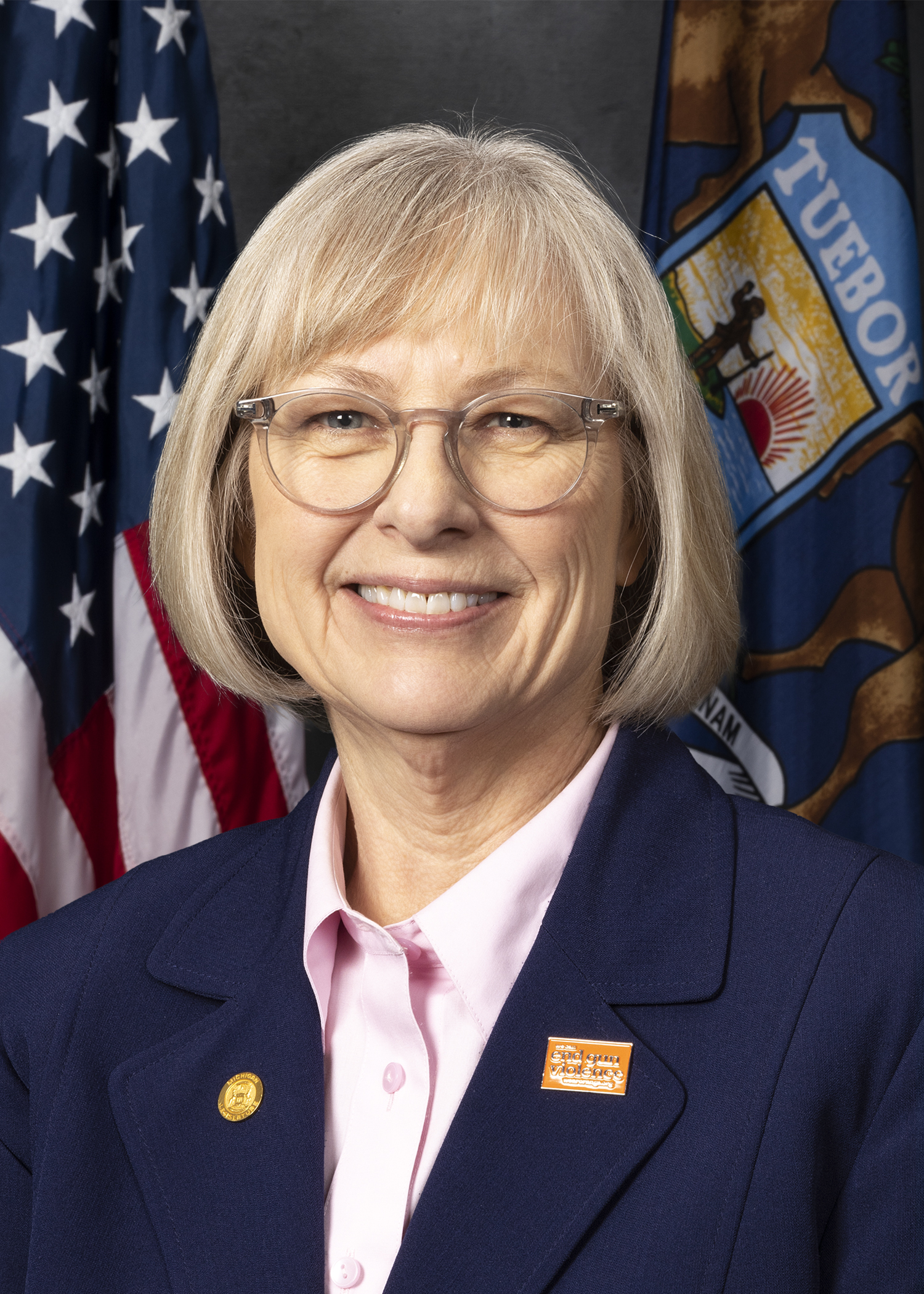
Sue Shink
100% support rate
Top opponent
Jonathan Lindsey
0% support rate
Ranked legislators
10
5 support · 5 oppose
Key legislators

Who's moving energy in Michigan

Legislators moving energy in Michigan
Legislator Party Stance Support rate Votes
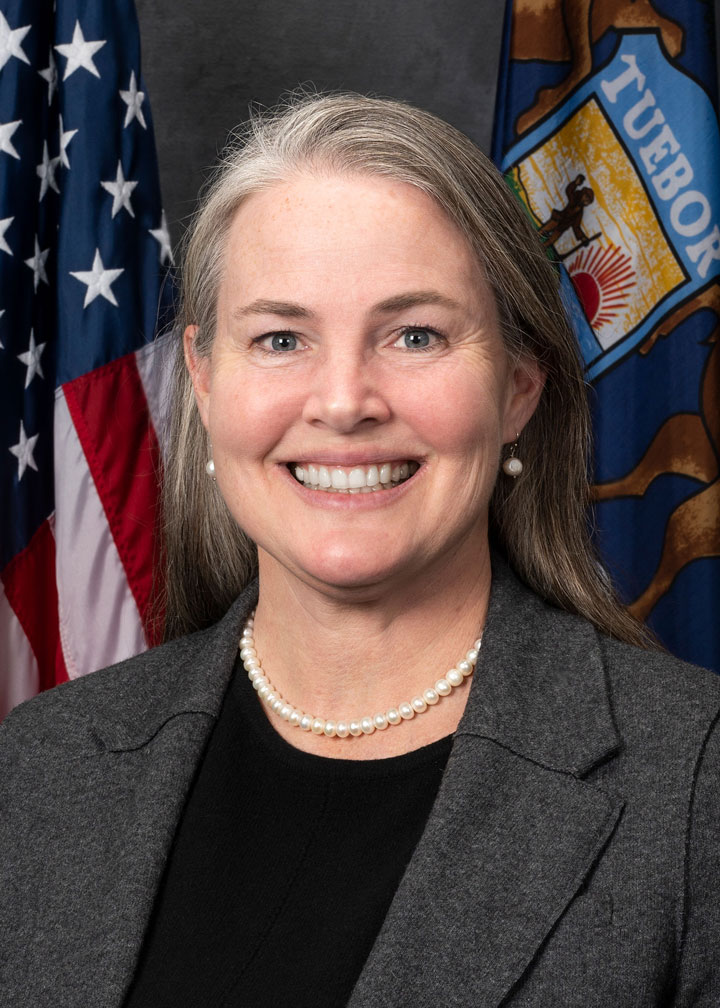
Sue Shink
Sue Shink Senate · District 14
D
Strong +
100% 40
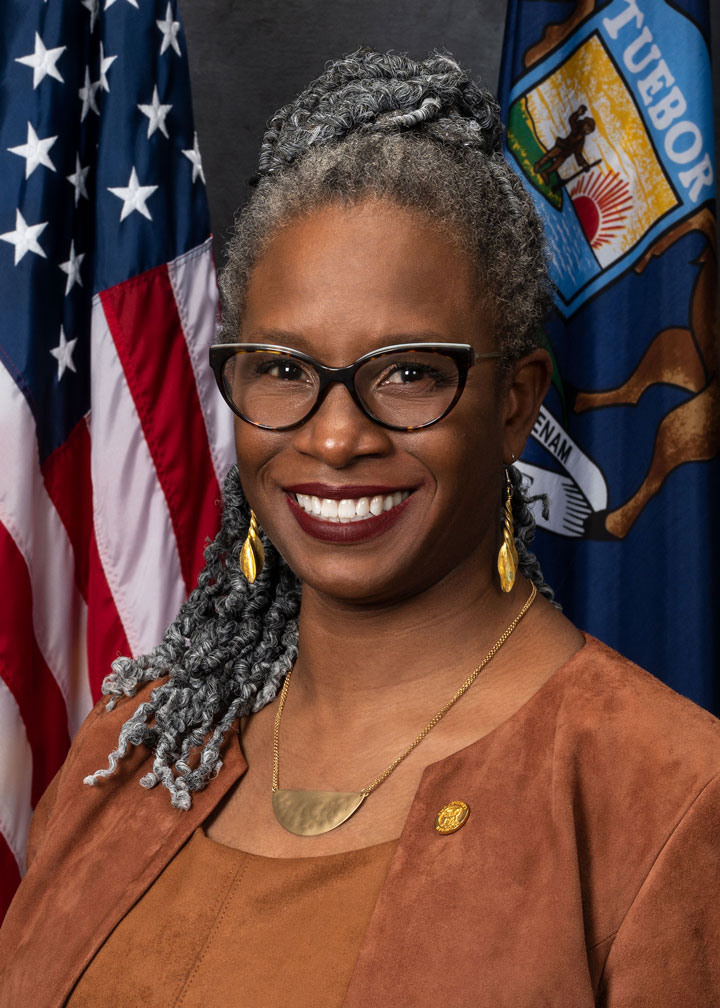
Erika Geiss
Erika Geiss Senate · District 1
D
Strong +
100% 38
Jeff Irwin
Jeff Irwin Senate · District 15
D
Strong +
100% 39
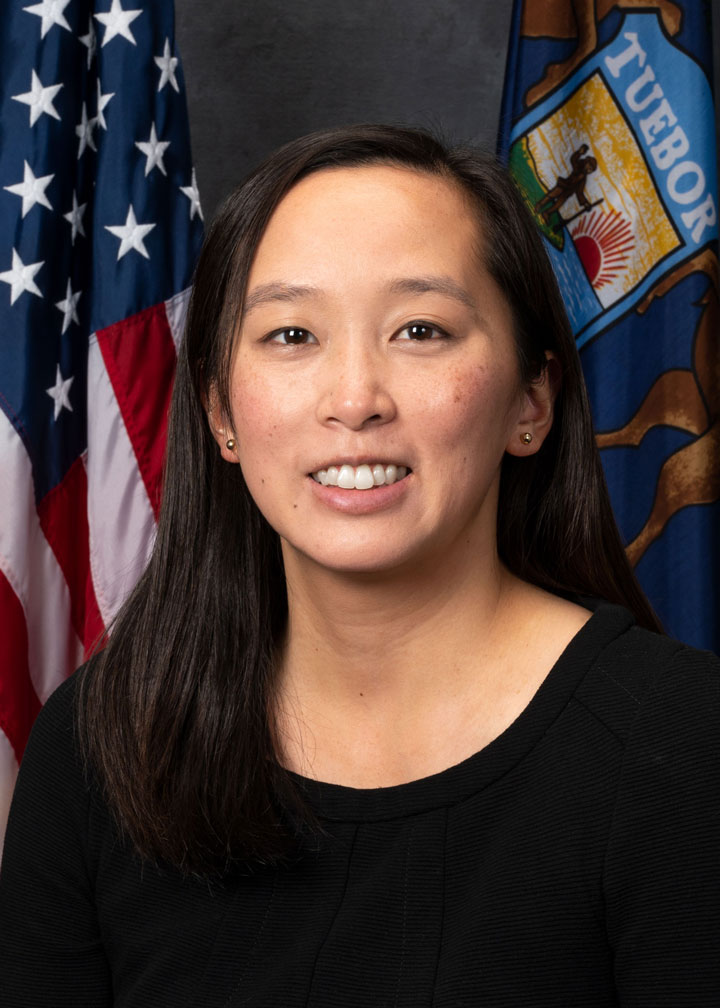
Stephanie Chang
Stephanie Chang Senate · District 3
D
Strong +
100% 37
Rosemary Bayer
Rosemary Bayer Senate · District 13
D
Strong +
100% 38
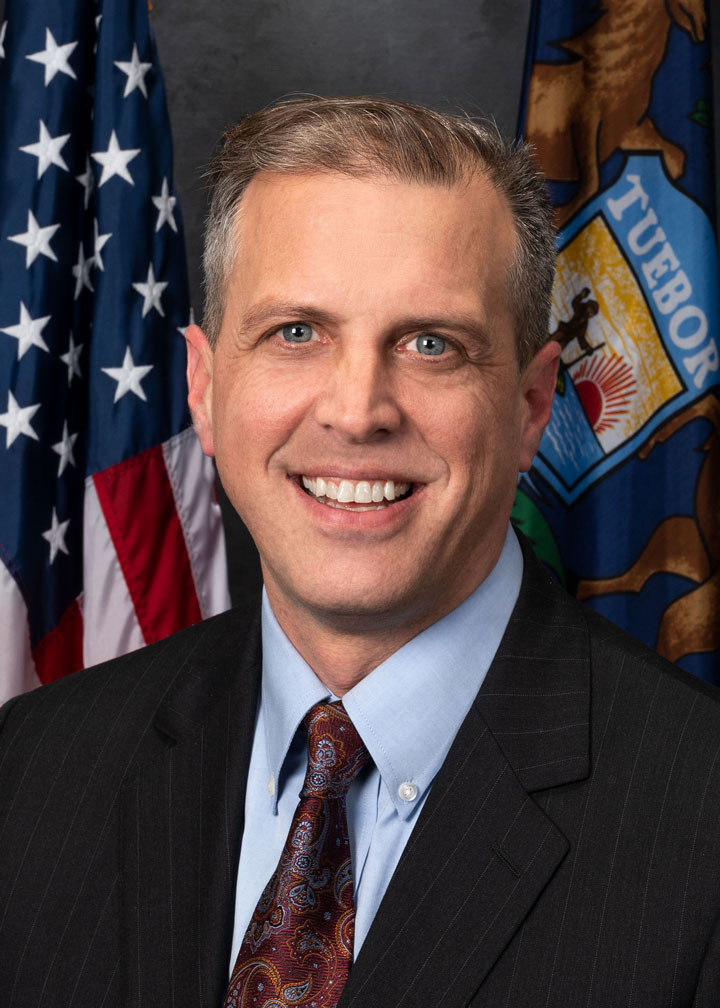
Jonathan Lindsey
Jonathan Lindsey Senate · District 17
R
Strong −
0% 39
Jim Runestad
Jim Runestad Senate · District 23
R
Strong −
0% 31
Lana Theis
Lana Theis Senate · District 22
R
Strong −
0% 37
Thomas Albert
Thomas Albert Senate · District 18
R
Strong −
0% 38
Mark Huizenga
Mark Huizenga Senate · District 30
R
Strong −
0% 39
Showing 71–80 of 88 bills

All energy bills

in committee · Michigan · House Sep 18, 2025

HB 4973: Public utilities: consumer services; eligibility for utility power outage credits; provide for. Amends 1939 PA 3 (MCL 460.1 - 460.11) by adding sec. 9g. TIE BAR WITH: HB 4974'25

HB 4973 requires electric utilities in Michigan to automatically provide bill credits to customers experiencing power outages during a billing cycle. Residential customers receive credits ranging from $5 per hour for short outages up to $25 per hour for outages lasting 72+ hours, while nonresidential credits use a formula based on the customer's average hourly energy use. Credits apply to the next bill and carry forward if they exceed the current bill amount. The credits adjust every five years using the Consumer Price Index to account for inflation, as specified in the bill's Section 9g.
Sub-Topics Energy Resilience
in committee · Michigan · House Sep 18, 2025

HB 4976: Public utilities: consumer services; prohibition for an electric utility to reclaim revenue they were required to pay in service outage credits; provide for. Amends sec. 6a of 1939 PA 3 (MCL 460.6a).

HB 4976 prohibits electric utilities in Michigan from seeking to recover revenue they were required to pay as service outage credits to customers. This directly affects electric utilities serving Michigan residents and businesses, as it prevents them from later reclaiming refunds paid for power outages. The key provision states that once an electric utility issues outage credits (refunds for service interruptions), it cannot attempt to get that money back through future rate adjustments. This ensures customers who received outage credits retain the full benefit without utilities offsetting those payments against future bills.
in committee · Michigan · House Sep 18, 2025

HB 4975: Public utilities: consumer services; eligibility for utility power outage credits; provide for. Amends 1939 PA 3 (MCL 460.1 - 460.11) by adding sec. 9e.

HB 4975 requires Michigan electric utilities to automatically provide residential customers with $100 credits on their bills if they experienced 4 or more power outages lasting over an hour in the past year, or $200 credits for more than 4 outages. The bill mandates these credits be applied without customer action, directly benefiting households with frequent service disruptions. Credits will adjust every five years based on inflation using the Detroit-area Consumer Price Index, with changes announced by June 1 each adjustment year. This policy change aims to compensate for unreliable service through automatic billing adjustments under Michigan's utility regulations.
passed · Michigan · Senate Sep 26, 2025

SB 576: State management: funds; energy efficiency revolving fund; establish. Amends 1984 PA 431 (MCL 18.1101 - 18.1594) by adding sec. 475.

SB 576 creates an energy efficiency revolving fund within Michigan's state treasury to finance state and local energy efficiency projects. The fund accepts state and federal money (including elective payments under federal law), keeps all money intact year-to-year, and prioritizes projects that reduce carbon emissions. State agencies applying for projects must follow strict rules, including capping administrative costs at 10% of project costs and reporting annual savings. The Department of Energy oversees the fund, coordinates project applications, and requires annual reports detailing funding, agencies, and projected savings. This fund directly supports state and local entities implementing energy-saving upgrades.
in committee · Michigan · House Oct 2, 2025

HB 5090: Human services: services or financial assistance; percentage of LiHEAP funds used for weatherization assistance; increase. Amends sec. 527a of 1967 PA 281 (MCL 206.527a).

HB 5090 amends Michigan's LiHEAP (Low Income Home Energy Assistance Program) funding rules to require a higher percentage of funds to be used for weatherization assistance. Specifically, it increases the mandatory allocation for weatherization services - such as home insulation and heating system upgrades - from existing levels. This change directly affects low-income households receiving weatherization support through state programs. The bill modifies Section 527a of the Income Tax Act (MCL 206.527a) to implement this funding shift. (Note: The bill is currently in committee referral stage and has not yet passed.)
Sub-Topics Energy Efficiency
passed · Michigan · Senate Jun 25, 2025

SB 235: Corporate income tax: credits; credit for use of sustainable aviation fuel; provide for. Amends 1967 PA 281 (MCL 206.1 - 206.847) by adding sec. 678. TIE BAR WITH: SB 236'25

SB 235 creates a corporate income tax credit for businesses that use sustainable aviation fuel (SAF). It directly affects airlines and fuel producers in Michigan by reducing their state tax liability based on the volume of SAF they utilize. The bill amends Michigan's tax code (MCL 206.1-206.847) to add a specific provision allowing corporations to claim this credit. This provides a financial incentive for adopting SAF, aiming to support cleaner aviation fuel adoption without specifying environmental outcomes.
in committee · Michigan · House Oct 21, 2025

HB 4526: Public utilities: other; challenges to utility projects; revise. Amends sec. 6 of 1980 PA 87 (MCL 213.56).

HB 4526 amends Michigan's condemnation law to clarify how courts review the "public necessity" of utility projects (like power lines) when property owners challenge them. It requires courts to hold hearings within 30 days of a challenge and decide within 60 days, prioritizing transmission line routes near public land, existing rights-of-way, or property boundaries. For private utility projects, courts must determine necessity based on evidence, while certificates from the Public Service Commission create a "prima facie" case for necessity. The bill also limits appeals of court rulings on necessity to require court permission, streamlining the process for utility companies and property owners.
in committee · Michigan · House Oct 21, 2025

HB 4590: Public utilities: consumer services; community solar facilities; require MPSC to promulgate rules concerning. Amends sec. 5 of 2008 PA 295 (MCL 460.1005) & adds pt. 9.

HB 4590 adds Part 9 to Michigan's Clean and Renewable Energy Act, requiring the Michigan Public Service Commission (MPSC) to create rules for "Locally Distributed Shared Solar Facilities" (LDSS). This bill directly affects community solar projects and subscribers, mandating that LDSS facilities must use solar panels not made in China, North Korea, or Iran, have at least three subscribers, limit any single subscriber to 40% of output, and meet specific size caps (5 MW or 20 MW). Key provisions include requiring facilities to provide bill credits proportional to each subscriber's contribution and ensuring 60% of capacity is subscribed by small users (40 kW or less). The MPSC must establish these rules to govern community solar programs under this new framework.
passed both · Michigan · House Oct 30, 2025

HB 4129: Labor: employment incentives; employment incentives nuclear and hydrogen graduate attraction and retention program act; create. Creates new act. TIE BAR WITH: HB 4127'25, HB 4125'25, HB 4126'25, HB 4128'25, HB 4124'25

HB 4129 creates a program to award annual grants to graduates working in Michigan's nuclear or hydrogen energy sector. It provides up to $3,000 per year for three years to individuals who: (1) graduate from a qualifying STEM program (like engineering or skilled trades supporting nuclear/hydrogen facilities), and (2) work at a qualified facility in Michigan within one year of graduation. The program requires annual employment verification, with repayment required if employment ends or false information is provided (penalties include fines up to $1,000). Funds are managed through a dedicated state account administered by the Department of Labor and Economic Opportunity.
passed both · Michigan · House Oct 30, 2025

HB 4124: Corporate income tax: credits; credit for advanced small modular reactors research and development expenses; provide for. Amends 1967 PA 281 (MCL 206.1 - 206.847) by adding secs. 677a & 717a. TIE BAR WITH: HB 4127'25, HB 4129'25, HB 4125'25, HB 4126'25, HB 4128'25

HB 4124 creates a tax credit for Michigan corporations that spend money on research and development for advanced small modular nuclear reactors (SMRs). It directly affects companies developing this specific type of nuclear technology within the state. The bill adds new sections to Michigan's tax code, allowing businesses to claim a credit against their corporate income tax for qualifying R&D expenses related to SMRs. This policy change aims to incentivize investment in emerging nuclear energy technology within Michigan. The bill passed the House on October 28, 2025, with 78 yeas and 26 nays.
Sub-Topics Business Taxes Nuclear
Showing 71 to 80 of 88 bills
Previous 1 7 8 9 Next