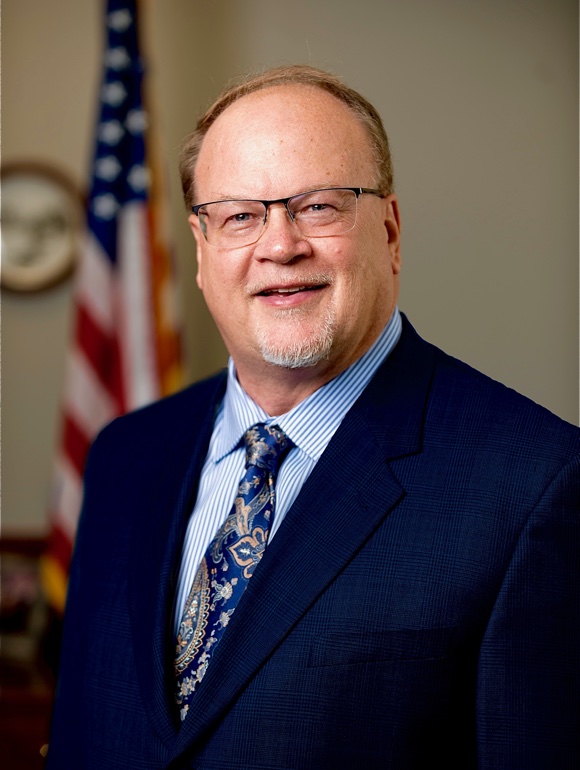
HB 5940 allows electric utilities and other providers to install electronic transmission infrastructure, such as high-voltage power lines, within existing highway rights-of-way without needing separate consent from local governments. The bill establishes specific standards for underground placement to avoid increasing road maintenance costs and introduces a fee structure where utilities pay a one-time permit fee, with revenues dedicated to highway capital and maintenance. Additionally, the legislation creates a coordination process between the state transportation department and utilities to identify suitable routes and includes protections that prevent the state from relocating transmission lines for at least five years once a route is approved.
This bill extends Michigan's state of energy emergency from July 1, 2026, to September 16, 2026, to align with a potential federal waiver allowing more flexible gasoline production. The measure directly affects consumers and businesses by aiming to prevent fuel shortages and price spikes that could occur if stricter fuel regulations were reinstated. By keeping the emergency in effect, the state can continue to relax its own fuel requirements while the federal government addresses supply constraints. The resolution takes effect immediately upon July 1, ensuring there is no gap in the emergency declaration.
This bill extends the state of energy emergency in Michigan by an additional 77 days, effective July 1, 2026. The measure allows the sale of E15 fuel in several counties where current regulations previously restricted it to lower vapor pressure gasoline. By suspending these fuel requirements, the extension aims to increase fuel supply options and help manage rising gas prices for consumers and businesses. The resolution requires approval from both the House and Senate before being sent to the Governor.
House Resolution 91 is a resolution expressing support for President Trump’s policies aimed at increasing the nation’s energy infrastructure and security. The resolution specifically highlights how these policies have facilitated emergency permitting for the Enbridge Line 5 tunnel project, intended to replace an existing pipeline under the Straits of Mackinac.
HB 4283 amends Michigan's Clean and Renewable Energy Act to allow electricity generated from Reciprocating Internal Combustion Engine (RICE) generators to count toward meeting the state's renewable energy portfolio standards. This change directly affects electric providers, including cooperatives and multistate utilities, that must meet specific renewable energy targets. The bill adds a new provision specifying that RICE-generated electricity can be used as renewable energy credits toward compliance. This provides electric providers with an additional compliance option for meeting the state's renewable energy requirements.
HB 4007 amends Michigan's Clean and Renewable Energy Act (2008 PA 295) by expanding the definition of "clean energy system" to include natural gas plants using carbon capture and storage (at least 90% effective) and certain existing natural gas facilities that can meet clean energy standards by 2030 through carbon capture and removal technologies. This change directly affects electric providers required to meet the state's clean energy standard, as it broadens the types of energy sources that qualify toward their compliance targets. The bill specifies that carbon capture must permanently store carbon dioxide (excluding enhanced oil recovery), and permits for new facilities may require higher capture rates if deemed necessary under federal standards. This definition update provides additional pathways for natural gas projects to count toward Michigan's clean energy goals.
House Bill 4027 proposes to amend the Michigan Zoning Enabling Act. The bill would remove a provision that requires local zoning ordinances to be subject to Part 8 of the Clean and Renewable Energy and Energy Waste Reduction Act. This change means that local zoning authorities would no longer be directly bound by this specific part of the state's clean energy law when creating or enforcing their zoning regulations. The bill aims to alter the relationship between local land use planning and state renewable energy mandates.
House Bill 4028 proposes to eliminate specific state-level provisions regarding the zoning and siting of large-scale solar, wind, and energy storage facilities. The bill achieves this by repealing Part 8 of the Clean and Renewable Energy and Energy Waste Reduction Act (2008 PA 295). This action would remove state authority over the certification and regulation of such facilities, effectively returning primary zoning control to local governments. It also amends the title of the existing act to reflect these changes.